
 Gaby
Gaby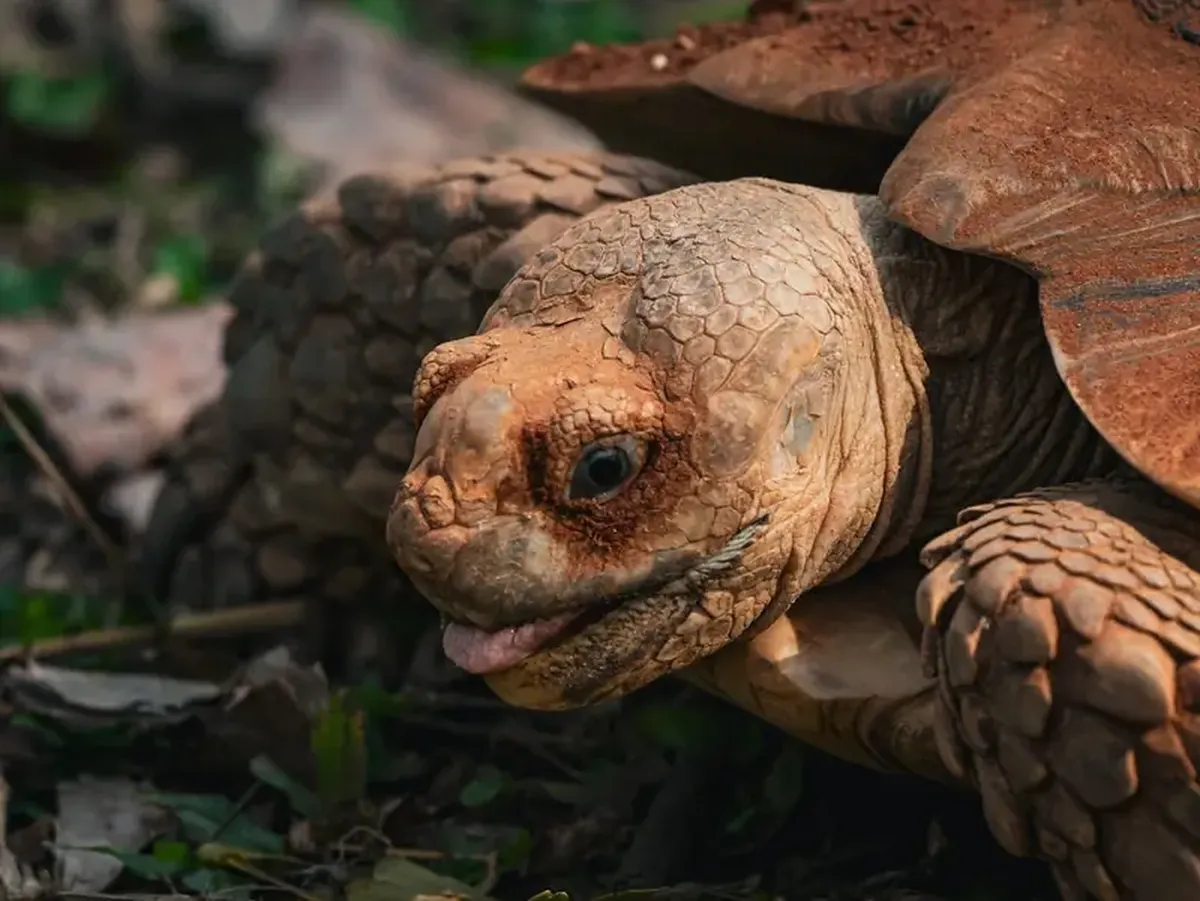
Philosophers have debated for thousands of years whether animals have feelings. Birds and mammals, previous work has shown, display a wide range of emotions. But evidence that reptiles share those experiences has been scarce — until now.
How Was the Research Conducted?
A team of scientists from the University of Lincoln (UK) tested 15 red-footed tortoises (Chelonoidis carbonaria).
The researchers used a cognitive-bias test originally designed to detect optimism and pessimism in humans and other mammals and applied it to reptiles.
They placed five food bowls in an arc inside the enclosure. The tortoises learned that one position would be baited and another would be empty. Then the researchers moved the bowls to unexpected positions, according to IFLScience.
For a tortoise, crawling to an empty bowl is costly. The researchers recorded how the reptiles responded to these “provocations” involving food, especially whether they would venture out.
In a second experiment in the same enclosure, the tortoises encountered new objects instead of bowls. This second test measured anxiety by seeing how the animals reacted to unfamiliar items and situations.
What Did the Results Show?
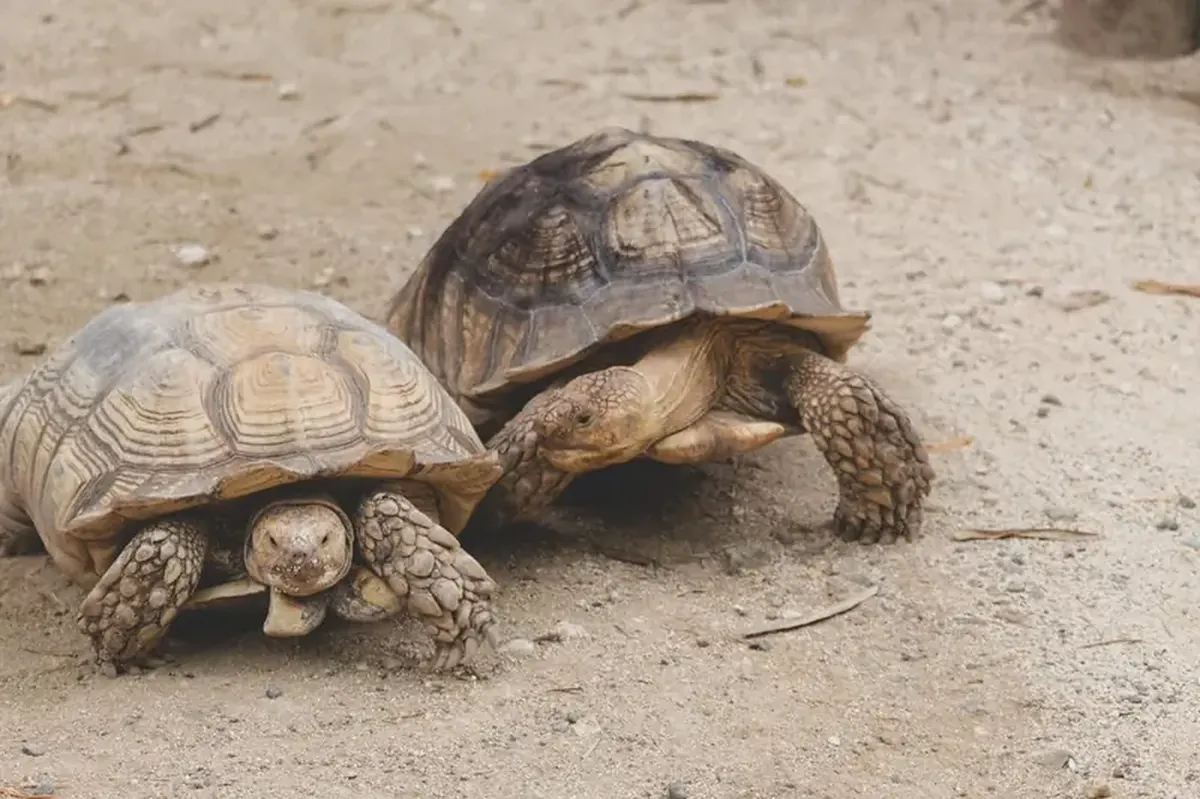
During both experiments, the team watched behaviors such as whether tortoises poked their heads out of their shells.
The authors say this is the first cognitive-bias test documented for any species of reptile.
Some tortoises—those that appeared optimistic—hurried to the bowls even when unsure they contained food. Others hesitated, assuming there would be nothing edible. The optimistic tortoises also showed lower anxiety in the second test.
The researchers say the results suggest tortoises can experience positive and negative moods. “This exciting discovery is a significant breakthrough in our understanding of what reptiles may feel and has important implications for how we care for these animals in captivity and interact with them in the wild,” said Professor Oliver Burman, the lead researcher.
From an evolutionary perspective, this suggests either that the last common ancestor of reptiles, birds, and mammals had feelings, or that tortoises — and possibly some other reptiles — evolved them independently.
The study appears in the journal Animal Cognition.
