
 Carlos Solis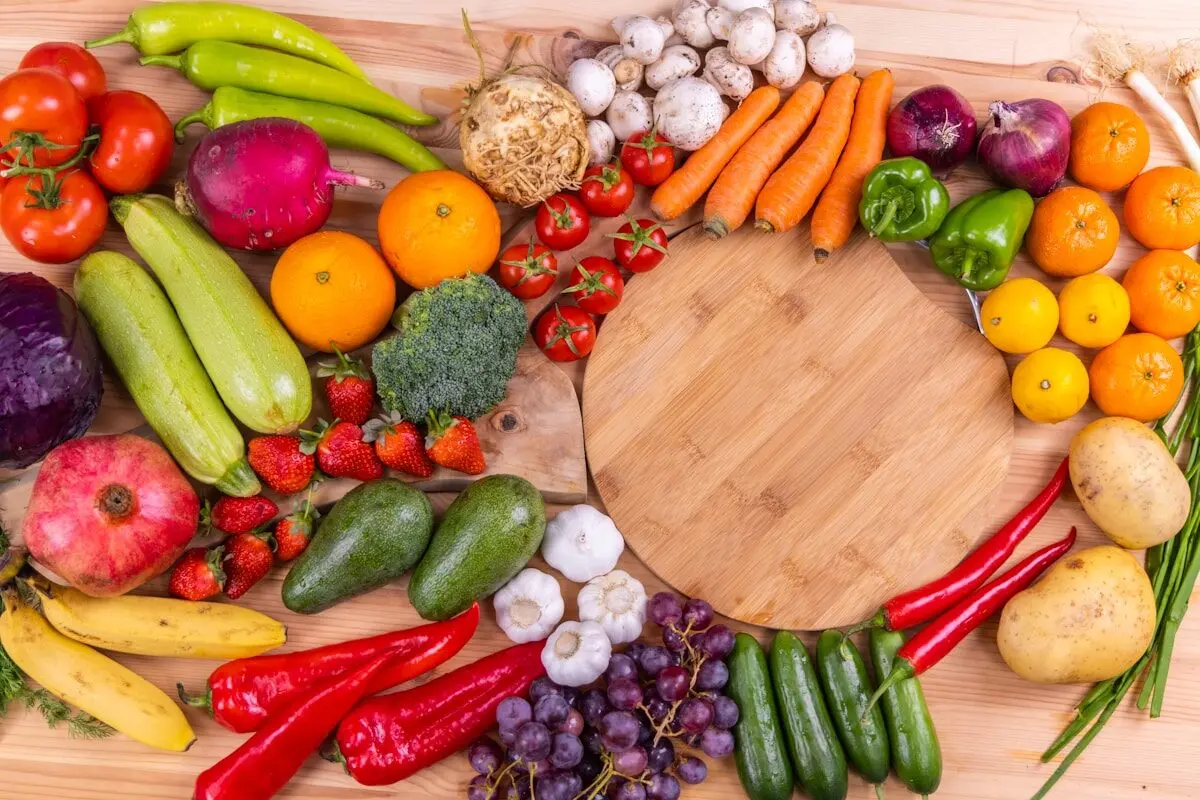
Experts say very few people meet the recommended five portions of fruits and vegetables a day. For example, only 29 percent of British adults meet that target.
But if you steadily add more to your diet, you’re on the right track, says leading British dietitian Sasha Watkins. All of those foods are good for your health.
Which fruits and veggies help with weight loss and overall health
The best fruits and vegetables for weight loss are those high in fiber and lowest in calories. Fiber slows digestion, supports gut health, and helps you feel full for longer.
Fiber-rich vegetables and fruits that can boost metabolism include:
- broccoli
- cauliflower
- kale
- spinach
- arugula
- grapefruit
- apple
- pear
Watkins says broccoli is especially valuable. Broccoli not only provides fiber but also supplies vitamin C and sulforaphane, a natural antioxidant that helps fight inflammation and lower cancer risk. Broccoli also supports heart health, blood vessel function, and bone strength.

In an interview with the Daily Mail, Watkins recommended paying attention to berries, since they contain both fiber and polyphenols — plant compounds with many health benefits. She highlights these:
- strawberries
- blackberries
- blueberries
- raspberries
- bilberries (wild blueberries)
Watkins also emphasizes the importance of color in plant foods. Different pigments represent different phytonutrients, so eating a rainbow of colors — for example, red and green peppers or purple cabbage alongside white cabbage — gives your gut a wider variety of beneficial compounds.

Eat fruits and vegetables whole when you can
Whole fruits and vegetables keep a physical structure called the food matrix, which includes cell walls, fiber, water, and the nutrients bound within them. Your body has to work to break down that structure. That matters for two reasons. First, chewing slows eating and gives your body time to register fullness. Second, an intact structure slows the release of natural sugars into the bloodstream, so energy is released evenly and gradually.
Blending, by contrast, disrupts that structure a lot. A smoothie made from the same fruits you could eat whole delivers sugars to the bloodstream faster and behaves more like fruit juice. The result is less satiety. The fiber is technically present in a smoothie, but because the cells are broken down, that fiber behaves very differently in the body. So, when possible, eat fruits and vegetables whole.

Texture and taste make all the difference
One major barrier to eating more fruits and vegetables is actually enjoying them — and texture and flavor are a huge part of that.
Roast broccoli with a little oil until the edges get crispy, and it will taste very different from steamed broccoli.
Steamed peas dressed with fresh mint and a drizzle of olive oil make a simple, delightful side. A cucumber dipped in homemade hummus tastes much better than plain cucumber. The aim is not just to eat more healthy food; the aim is to find cooking methods that make it desirable.
Start eating the skins — they hold more fiber than you think
One of the easiest ways to get more fiber from fruits and vegetables is to stop peeling them. The skin contains the highest concentration of fiber.
A baked potato with the skin on provides twice as much fiber as a peeled potato. Studies have shown that eating kiwi with the skin delivers roughly twice the fiber compared with eating only the flesh of the fruit. The skin also contains folate and vitamin E. You may need to get used to the fuzzy texture of some skins, and the best approach is to wash them thoroughly under running water.
Don’t ignore orange and lemon zest either; the zest is rich in pectin and soluble fiber. Grate it finely to dress a salad, yogurt, or oatmeal to noticeably boost the dish’s nutritional value.
Which fruits and veggies offer less nutrition
There aren’t any truly useless fruits or vegetables, but some are less nutrient-dense. Examples include:
- iceberg lettuce
- cucumber
- celery
Those foods are mostly water, low in fiber, and don’t satisfy hunger for long. They’re better used as additions to a meal than as the main component.
One real pitfall is assuming dried fruit and fruit juice are just as healthy as whole fruit. Be cautious with dried items such as:
- dried mango
- raisins
- dates
Those options contain a lot of natural sugars and are easy to overeat. Raisins are roughly four times more calorie-dense than fresh grapes.
Fruit juice strips away fiber and delivers natural sugars to the bloodstream quickly, which makes you feel hungry sooner than after eating whole fruit.
In summary, Sasha Watkins advises focusing on a wide variety of vegetables and fruits, eating as many of them as possible, and pairing them with protein or healthy fats. The main thing is to enjoy them.
