
 Gaby
Gaby
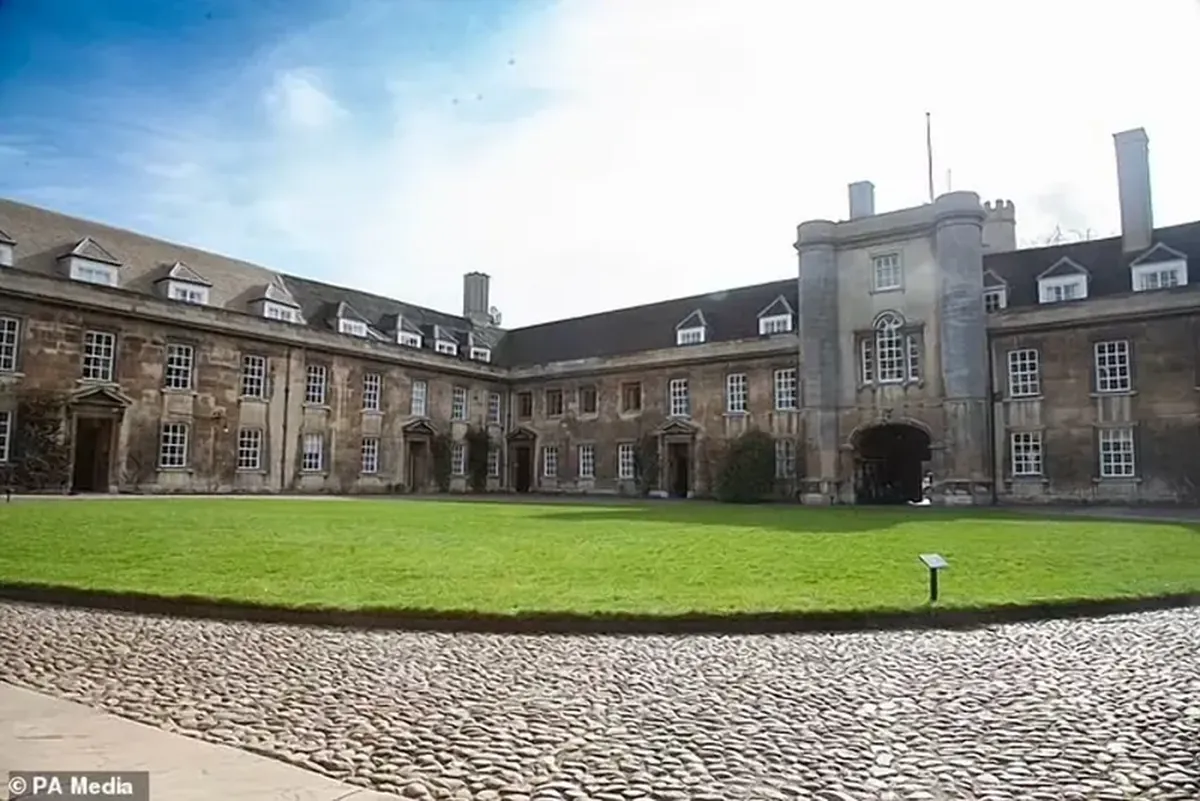
These late-medieval frescoes were hidden beneath plaster for nearly 300 years in one of Cambridge University’s oldest buildings. The artwork, which honors the patrons of Christ’s College, was found in the First Court, a part of the college that dates to the 15th century. Three crown-related images appear: the red Lancaster rose, a set of heavy gates, and a heraldic lily. Experts think the frescoes were painted in the early 16th century; the last recorded mention of them dates to the 1730s.
Historical Highlights Noted by Researchers
The institution began in 1437 as God’s House and moved to its current site in 1448. In 1505 it was refounded as Christ’s College by Lady Margaret Beaufort, Henry VII’s mother. The gates shown in one fresco are a symbol of the Beaufort family.
Christina Faraday, a PhD in art history at Cambridge who studies Tudor visual and material culture, called the discovery “incredibly exciting.” She said the wall images show how the college celebrated and promoted its royal patrons in the early 16th century, after its refounding.
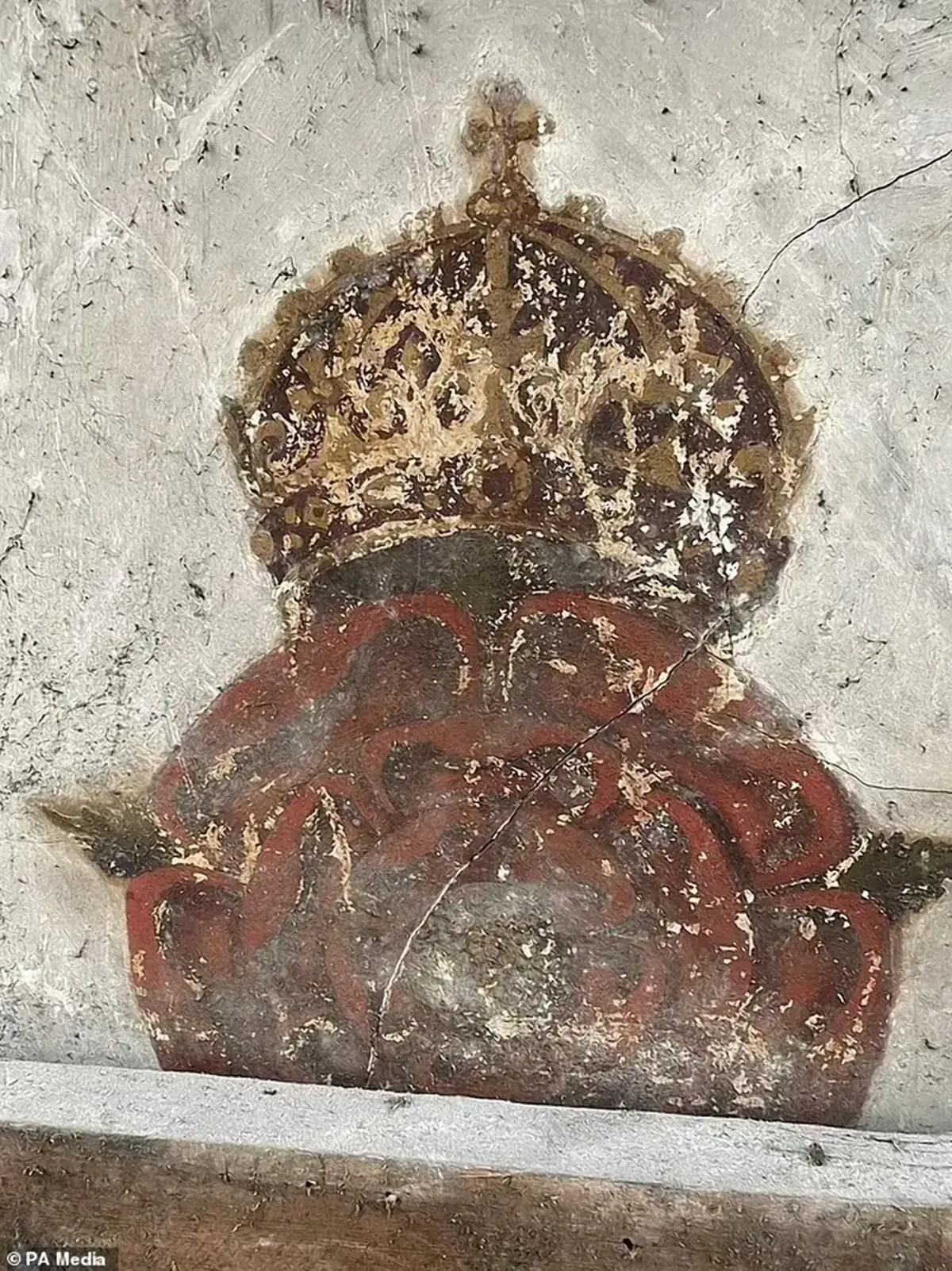
Faraday said Lady Margaret was an influential, devout woman with a keen interest in science who left a lasting mark on the college. The wall paintings are “an early example of her family’s skillful use of visual marketing beyond the royal court.” Henry VII had a weak claim to the throne but used family symbols to bolster his legitimacy. Faraday explained the red rose was a Lancastrian symbol from the Wars of the Roses, likely promoted by Henry VII. The heraldic lily, the fleur-de-lis, had been used by English kings since Edward III to assert claims to the French crown. “Wall paintings were relatively inexpensive and often treated as disposable decor, which is why they were rarely preserved intentionally,” she said.

The structure, about 6 meters wide, is partially covered by wooden beams. It sits in a section of the roof that may have formed the library’s northwest wall. The frescoes are painted on a thin plaster layer, with traces of lime mortar around the images, according to reporting in the Daily Mail.
The sheltered roof location helped preserve the paintings. But that doesn’t guarantee they’ll go on public display. Christ’s College has sought expert advice on protecting and preserving the frescoes during the ongoing restoration and afterward.
Lord Simon Macdonald, a college lecturer, said, “After the basic restoration, we will preserve the images, turning them into a time capsule that can be discovered another 300 years from now.”
