
 Gaby
Gaby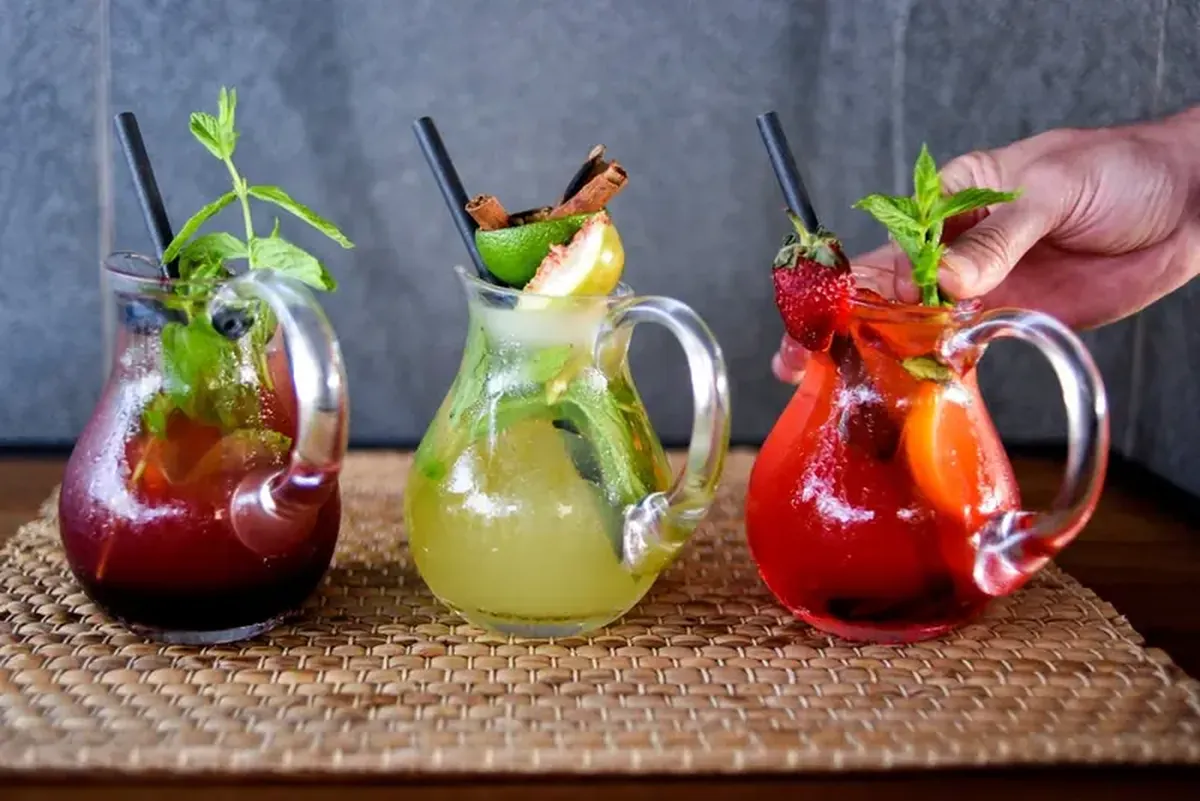
In Spain’s sweltering climate, wine could quickly go to your head if it wasn’t diluted with water, soda, or fruit syrup—or mixed with ice, berries, and fruit. The practice of mixing drinks began in the 19th century among Spanish and Portuguese fruit pickers. Quenching their thirst with wine diluted with cold spring water and citrus juice, these workers found refreshment in the heat, boosting their endurance during hard labor under the southern sun.
The name “sangria” comes from the Spanish word sangre, meaning “blood,” and refers to the deep red color of the classic version of this wine-based cocktail. However, you can prepare this refreshing and invigorating drink not only with red wine (still or sparkling) but also with rosé or white wine. Sangria recipes can feature various combinations of ingredients, including spices, sugar, liqueur, and brandy. Non-alcoholic sangria contains no alcohol at all.
Fruits and berries that can be added include citrus fruits, apples, grapes, raspberries, cherries, strawberries, and more. The key to crafting a lightly or moderately alcoholic drink—about 4–9% ABV with wine or up to 18% with stronger spirits—is achieving a balance of flavors. No single ingredient—fruit, spirits, or spices—should dominate or overshadow the others in the flavor bouquet. To remind guests that the drink contains alcohol and to encourage moderation, serve it with fruit and a cheese platter.
Ingredients (for 8 servings): 750 ml red wine; 500 ml mineral water; 50 g sugar; 1 lemon or lime; 1 orange; 100 g strawberries; 12 ice cubes.
Dissolve the sugar in the water in a small saucepan and heat it over low heat while stirring until the crystals completely dissolve.
Slice the citrus fruits and strawberries. Place the berries and fruit in a large bowl, pour the hot syrup over them, and let it cool.
Once the syrup has cooled, pour the wine into the bowl, add the ice, stir, and serve before the ice cubes melt.
Life Hack
Sangria is best served in a clear pitcher so the berries and fruit pieces are visible. Use a ladle to pour the chilled drink with the fruit into glasses. This summer cocktail is easy to enjoy from punch glasses alongside light snacks.
P.S. Light alcoholic beverages can trigger cravings for alcohol in people with alcohol dependence—so even fermented compote can pose a potential risk.
