
 Gaby
Gaby
Chocolatiers will have to figure out how to incorporate this innovation into delicate chocolate recipes.
Researchers say the new chocolate outshines traditional varieties. The core idea replaces refined sugar with plant-based ingredients. Specifically, the team used crushed pulp, cocoa pod husks, and juice from cocoa fruits to make a sweet, fibrous gel. As a result, this chocolate is more nutritious than conventional bars. Its production also uses less land and water, according to The Guardian.

What Else Is Known About the Invention
Kim Mishra, a food technology expert at ETH Zurich, commented on the breakthrough: “Cocoa fruits are essentially like pumpkins, and until now, we’ve only used the seeds. But this fruit contains many other wonderful substances.”
Chocolate is considered one of the more polluting foods; its production generates greenhouse gas emissions comparable to some types of meat. Mishra and his colleagues set out to cut waste in chocolate production and realized the product could be made healthier.
The researchers used cocoa fruit waste to create a gel that can replace powdered crystalline sugar in chocolate. Mishra says the team’s development will make chocolate healthier and more environmentally friendly, and it could give farmers a new source of income.
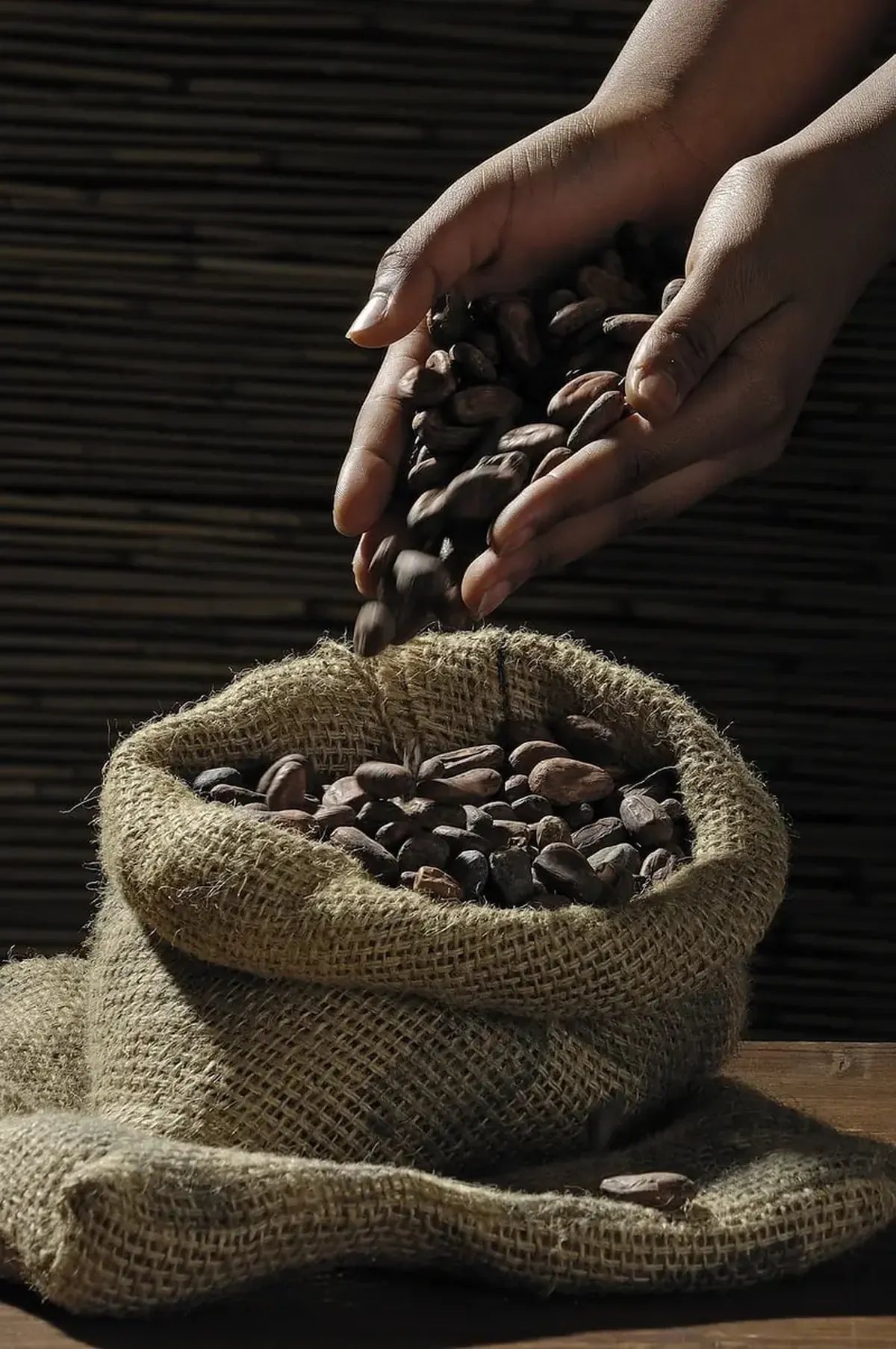
Lab experiments showed the new chocolate uses 6 percent less land and water. But greenhouse gas emissions were 12 percent higher because the method required extra drying, which used more energy.
The researchers say scaling up production, sun-drying the raw materials, or using solar panels could significantly cut those emissions.
Alejandro Marangoni from the Department of Food Science at the University of Guelph (Canada) said the discovery needs validation through a pilot project. He added that farmers in tropical countries typically receive only a small share of the $100 billion chocolate industry, and because pulp processing should occur where cocoa is grown, those countries would likely see the biggest benefits.

But what about the taste? Mishra said the lab-made chocolate is “mostly identical” to dark chocolate in texture and resembles aromatic South American dark chocolate. “Sweetness unfolds more slowly in the mouth than with traditional dark chocolate, and the juice brings more fruity notes and acidity.”
The findings were published in the journal Nature Food.
