
 Carlos Solis
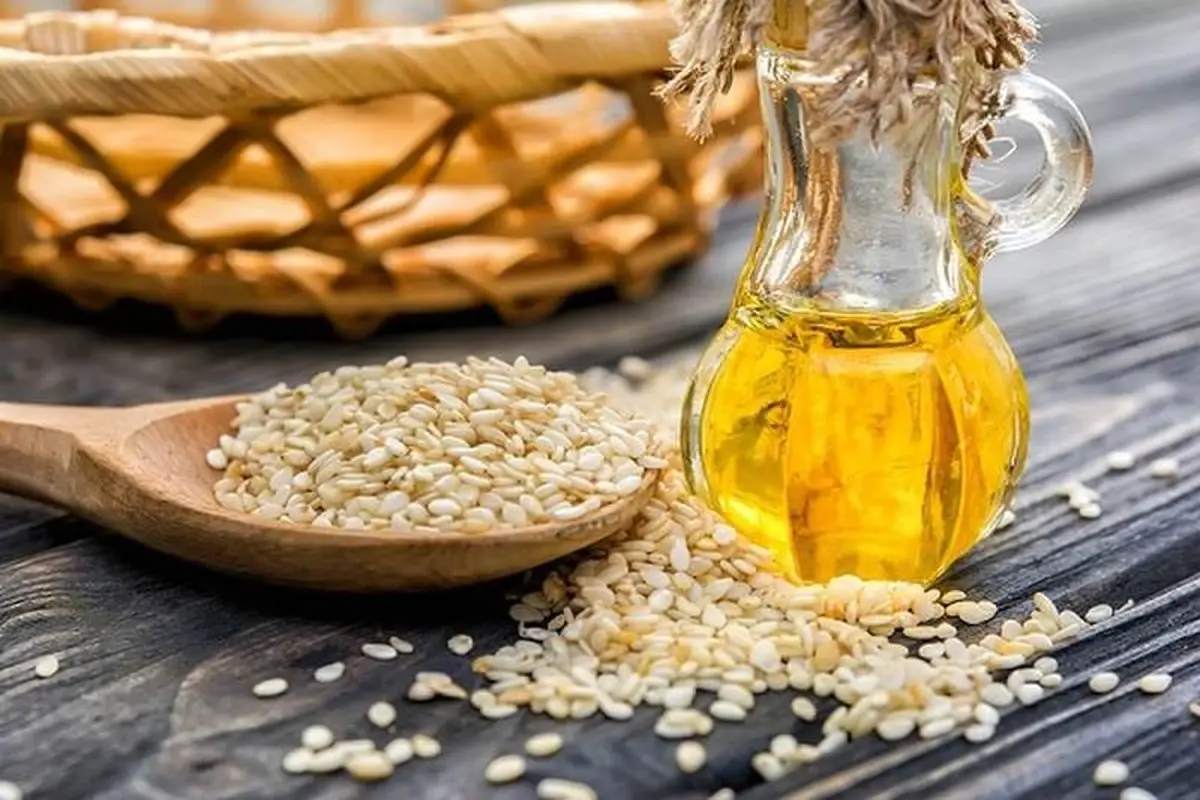 The phrase “Open Sesame!” comes from the Arabic folk tale Ali Baba and the Forty Thieves. It entered European awareness in Antoine Galland’s early-18th-century French translation of One Thousand and One Nights. In the story, the sesame pod is the key to the treasure: it opens to release ripe seeds. For centuries people have pressed oil from those seeds, and that oil has been used in cooking, beauty, medicine, and even magic.
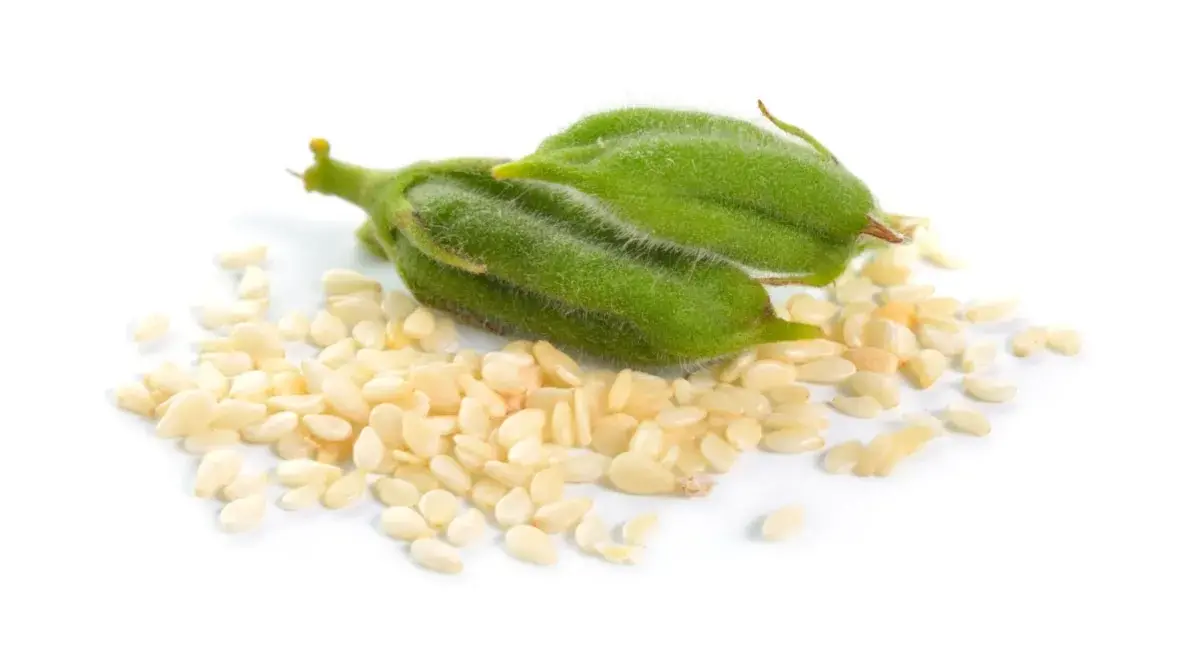
What is Sesame?
The English word “sesame” has roots in multiple languages: a Turkic form with Persian influence and a Semitic form reflected in the Latin genus name Sesamum, which traces back to Aramaic. Some sources link the name to Hebrew words for “creator” or a “heavenly name.” Later Talmudic texts associate sesame oil with Babylonian ritual uses; the word shammī meant “oily plant.”
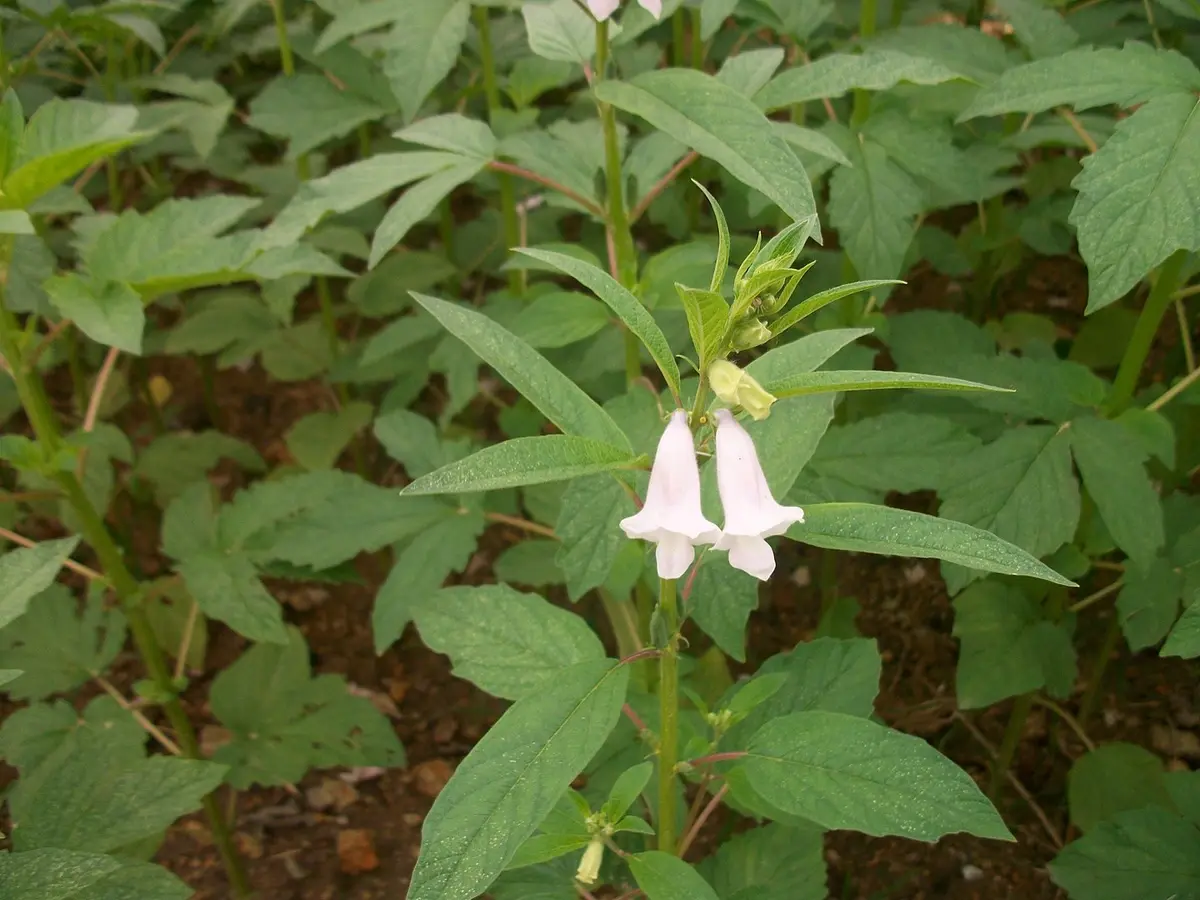
This herbaceous plant can grow up to two meters tall and has been cultivated for ages in subtropical and tropical regions, adapting to different climates around the world. Sesame is considered a culinary treasure and is prized as a nutritious food. Oil pressed from sesame seeds is used in cooking, pharmaceuticals, and cosmetics; people also use the roots for remedies for fever, headaches, and stomach disorders, and the leaves to make refreshing drinks.
Taste Profile
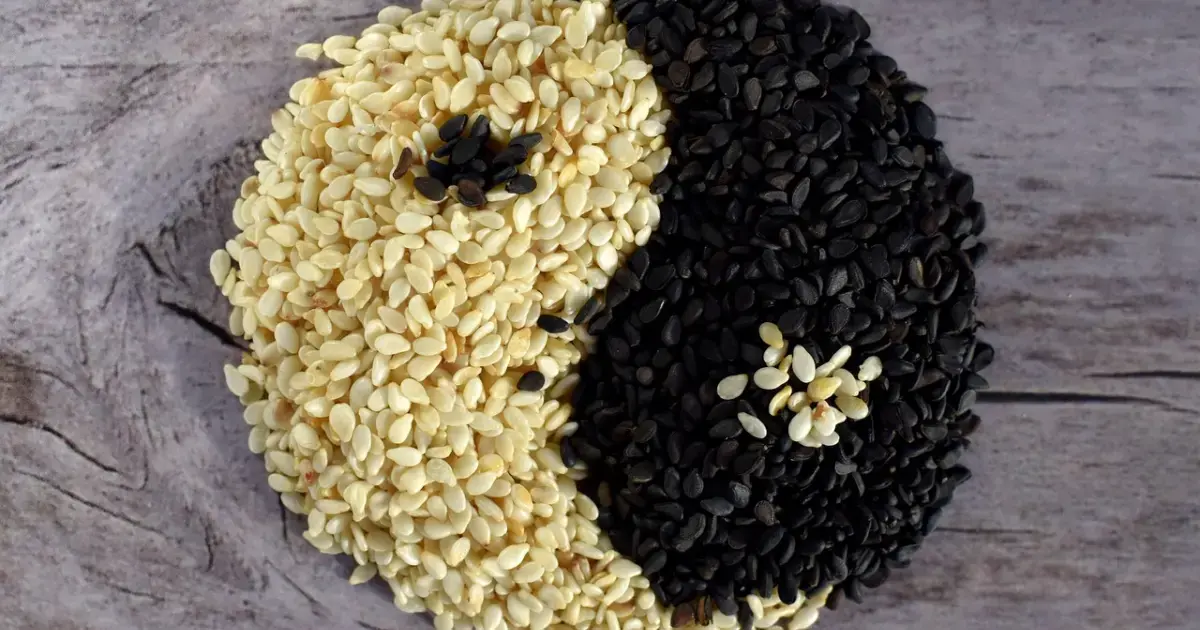
Sesame seeds come in white, black, brown, red, and yellow varieties, each with a slightly different flavor. Black sesame, which is typically unrefined, is considered especially nutritious because the seed coat holds a large share of vitamins and trace elements. Black sesame is high in antioxidants and calcium, so bakers and dessert makers often use it for flavor and nutrition. White sesame is better suited for salads and oil production.
Sesame seeds have a slightly sweet, nutty flavor that intensifies when roasted; the plant’s leaves are more pungent. For that reason, cooks use sesame as a fragrant spice. Chefs use fresh or pickled leaves, oil, seeds (to garnish and flavor cookies, crackers, and baked goods), and sesame powder (to add to sauces, gravies, meat and mushroom dishes, vegetable casseroles, and desserts).
Culinary Uses
Sesame pairs well with beef, poultry, vegetables, fruits, and baked goods. In the Middle East, people traditionally make sweets with sesame seeds, such as halva, sesame praline, and tahini paste. Cold-pressed sesame oil, made by mechanically pressing raw seeds, has a pale yellow color and retains most of its nutrients; add it at the end of cooking or to marinades and dressings. Sesame oil is not ideal for frying because it smokes quickly when heated.
Both raw and toasted seeds can be pressed for oil. Cold-pressed sesame oil has a delicate nutty taste and a light aroma (its consistency is similar to sunflower oil). Oil from toasted sesame seeds has a richer taste, a stronger aroma, and a darker color (amber to dark brown). Refined sesame oil has a neutral taste. The caloric content of sesame oil is 884 kcal per 100 g, or about 120 calories per tablespoon.

Benefits and Risks of Sesame Oil
Oil made from white seeds is often used for cooking, while oil from black sesame seeds is common in medicinal preparations and topical treatments for wounds and burns. Sesame oil contains vitamins E and K, omega-6 (linoleic acid), omega-9 (oleic acid), mono- and polyunsaturated fats, phytosterols, and antioxidants such as lignans (sesamin, sesamol, sesamolin, sesaminol, and pinorezinol). These components may be beneficial for cardiovascular health and in cancer prevention.
Benefits of Sesame Oil:
- May reduce inflammation;
- May speed tissue regeneration (possibly aiding bone healing);
- May relieve joint pain from arthritis—this is why sesame oil is commonly used for massage;
- May lower levels of “bad” cholesterol and reduce blood sugar;
- May protect against cardiovascular disease and memory decline;
- May boost serotonin levels, helping mood and stress;
- Neutralizes free radicals;
- Helps protect skin from ultraviolet radiation;
- Strengthens hair;
- Helps prevent constipation;
- Can reduce harmful oral bacteria.
Uses of Sesame Oil:
- Enhances the flavor of dishes;
- Used in production of margarine and other food products;
- Massage oil (alleviates muscle and limb pain);
- Ingredient in cosmetics—face masks, creams, lip balms, and hair conditioners;
- Component in some perfumes;
- Used in pharmaceuticals as an agent or solvent for medications.
However, those benefits come with precautions for certain people.
Contraindications for Sesame Oil Consumption:
- Low blood pressure (hypotension);
- Diseases of the digestive organs;
- Thyroid dysfunction;
- Taking medications for diabetes or high blood pressure;
- Pregnancy and breastfeeding;
- Food or contact allergy to sesame.
Excessive consumption of sesame oil can cause blood glucose to fall too low, increase bleeding risk, and lead to weight gain, bloating, or diarrhea. The main reason to avoid sesame is individual intolerance. If you notice allergic reactions—nausea, vomiting, diarrhea, abdominal pain, hives, facial redness or swelling, coughing, wheezing, or throat itching—consult an allergist.
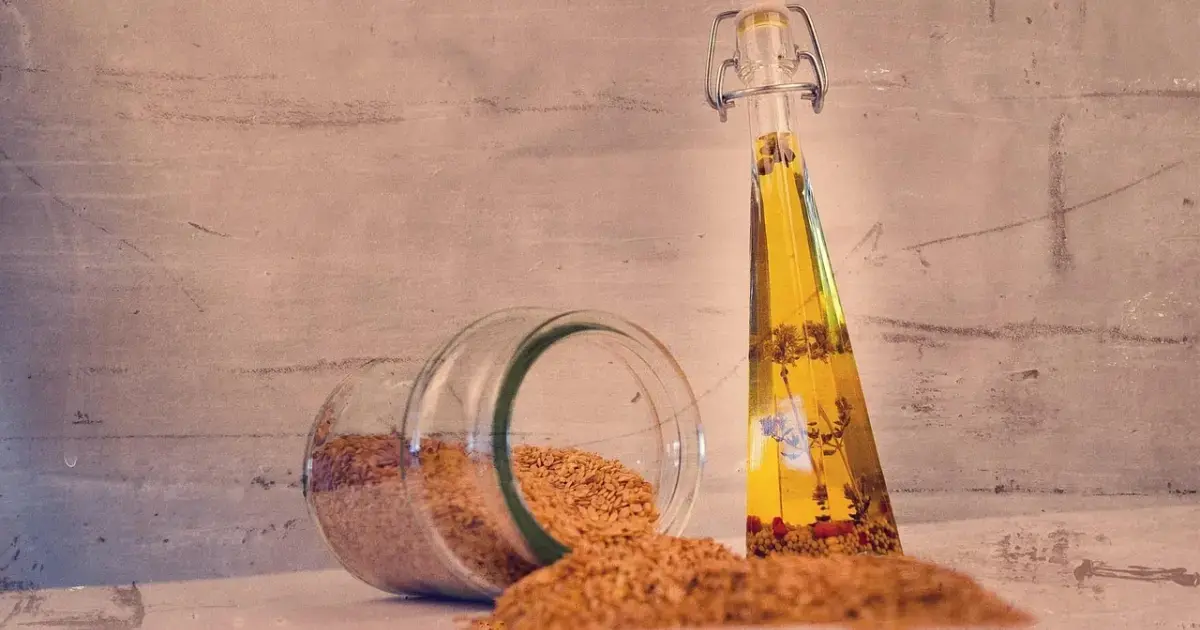
How to Consume Sesame Oil
Take a teaspoon of sesame oil on an empty stomach to support immune function, stimulate digestion, ease gastritis symptoms, relieve constipation, and increase calcium absorption. However, sesame oil may increase blood clotting, so avoid it if you are prone to thrombosis. Start with small doses and increase gradually while watching for allergic reactions. With a doctor’s approval, use sesame oil to help treat various conditions.
Indications for Use:
- Hypertension;
- High blood sugar (hyperglycemia);
- Elevated cholesterol;
- Thrombocytopenia;
- Atherosclerosis;
- Digestive disorders;
- Vitamin E deficiency;
- Inflammation;
- Stress;
- Depression;
- Hair loss;
- Dermatological conditions;
- Rheumatoid arthritis;
- Diabetes;
- Liver and biliary tract diseases (hepatitis, gallstones, etc.);
- Pancreatitis;
- Gastritis;
- Rickets;
- Burns;
- Otitis;
- Dry nasal passages (sesame oil in sprays or drops can moisturize the mucous membrane).
For constipation and other gastrointestinal issues, take a teaspoon of sesame oil half an hour before meals, starting once a day and gradually increasing to two tablespoons per day. Mix the oil with water before drinking. For psoriasis, apply sesame oil to the affected skin in its pure form. For joint problems, rub a thin layer of sesame oil into the affected areas like a balm or anti-inflammatory gel. For hemorrhoids, apply tampons soaked in sesame oil externally.
Massage sesame oil into the scalp and wash it out after an hour to promote hair health. Add sesame oil to hair masks made with egg, yogurt, or avocado. Use sesame oil for oil pulling to help with gingivitis. For diabetes, replace other cooking oils with sesame oil and consume it for at least three months; people often notice effects in the second or third month. Consult a doctor to determine a safe dosage and to create an individualized diet plan before starting sesame oil treatment.
Photo: pixabay.com
