
 Gaby
Gaby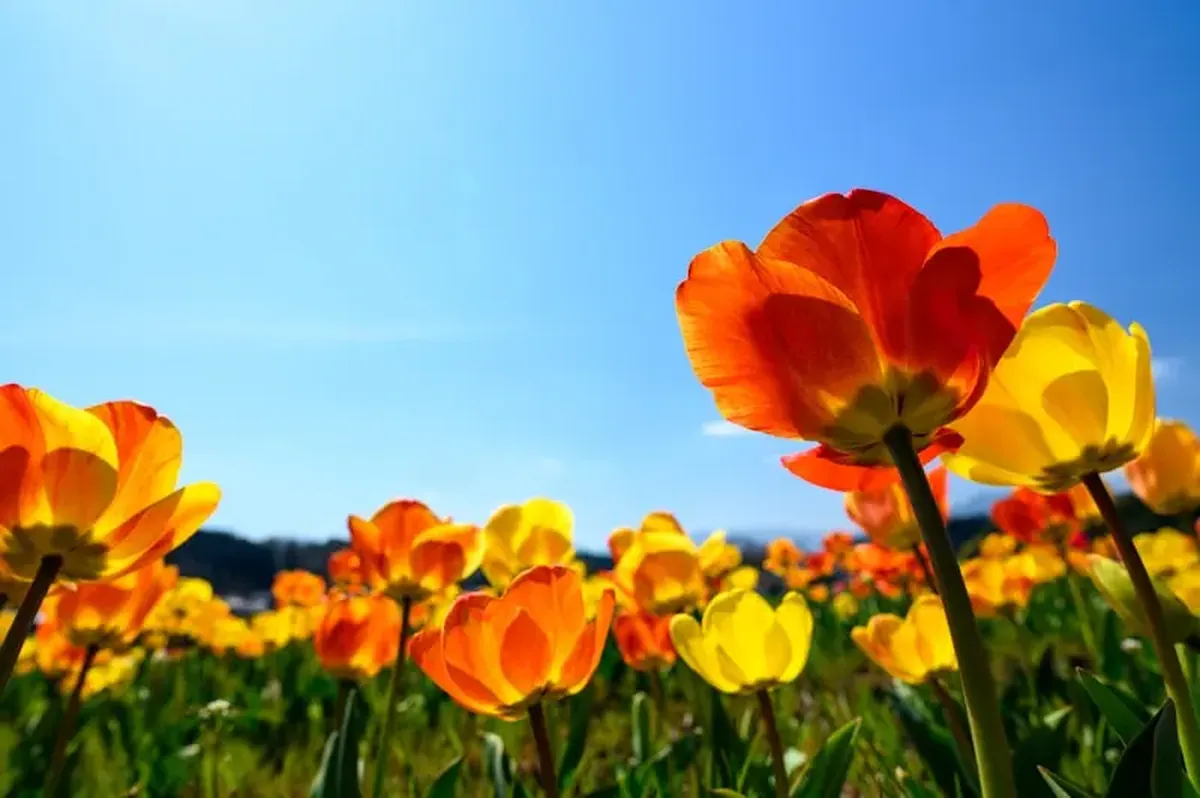
Typically, blooming is triggered by environmental cues such as seasonal temperature shifts, increases in soil and water nutrients, and other factors. That’s why spring flowers are often pictured pushing through melting snow. Researchers from the University of Seville (Spain) and São Paulo State University (Brazil) have identified a new trend: spring blooms are appearing significantly earlier than they did a few decades ago. The trend was documented in Doñana National Park in Andalusia, in southwest Spain. For several years now, ideal blooming conditions have been arriving weeks earlier than usual. For example, in mid-April, a mere one-degree Celsius rise above the usual temperature makes the park’s flora behave as if it were the first week of May.
What Scientists Have Learned
In the park, which spans 543 square kilometers, more than 875 plant species thrive. Many of these are familiar to gardeners: lavender, rosemary, thyme, carnation, oleander, euphorbia, juniper, and blackberry. By analyzing data on 51 shrub species over the past 35 years, researchers found that peak blooming is shifting earlier each year—an average of 22 days earlier than in the 1980s. Overall, the study shows that global warming has altered the biological rhythms of many plants in Doñana National Park. In fact, 80 percent of flowering species now bloom earlier than they used to. Among the species analyzed, rosemary (Salvia rosmarinus) showed the biggest change, now blooming a full 92 days earlier, according to Science Alert.
Ideal blooming conditions are arriving sooner and flowers are opening more quickly, but many of the studied species rely on insects for pollination. More than half of the insect-pollinated species are now competing for the attention of the same pollinators. About 40 percent of these species have shifted their blooming times away from potential competitors, perhaps finding new opportunities. The shift in flowering schedules caused by climate change has produced a rich set of data for the field of phenology, which studies seasonal development patterns and life cycles.
Additional Insights from Researchers
Doñana National Park borders the Strait of Gibraltar, and its vast salt flats serve as a crucial stopover for wildlife migrating seasonally between Europe and Africa. Any changes in this biodiverse ecosystem could have significant consequences, potentially affecting regions as far as Northern Europe and Southern Africa. The park is a breeding ground and stopover for thousands of migratory birds in winter, a phenological pattern closely tied to the seasonal availability of food sources like insects and seeds. It’s hard to imagine how many species could be affected by this “small” change in blooming schedules. Studies like this offer a fresh perspective on how the climate crisis is reshaping life on Earth. The results of this research were published in the journal Annals of Botany.
