Gaby
Gaby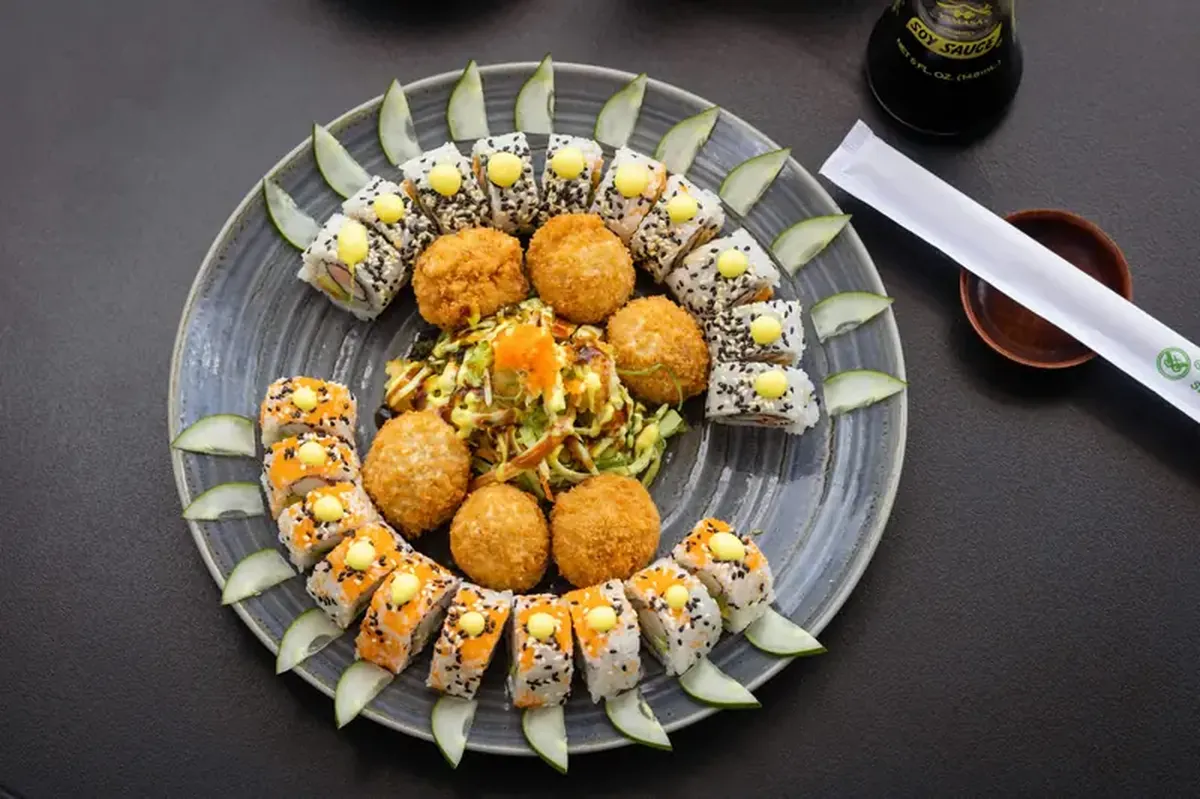
HouseWife continues to unveil professional secrets for the home kitchen, introducing home cooks to the essential properties of popular ingredients. Discover how rice can help manage your weight and whether its benefits depend on the cooking method.
The Foundation of the Diet
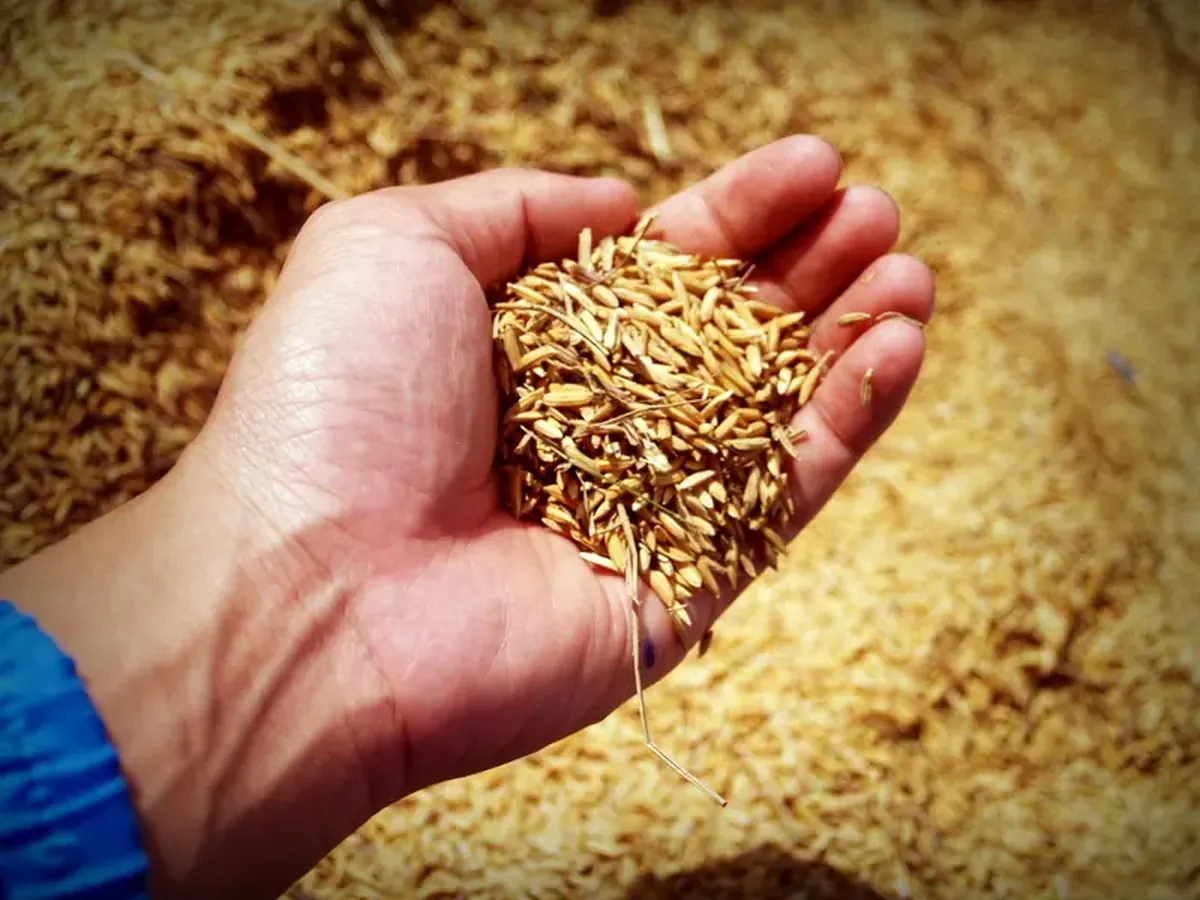
Rice is not only indispensable in Japanese cuisine; it serves as a staple food for 3.5 billion people worldwide. This traditional food is a dietary mainstay for people across Asia, Latin America, and Africa. The largest consumers of rice are China, Vietnam, Indonesia, India, and Bangladesh. The primary reason this grain became a dietary cornerstone across continents is its high yield, which is nearly three times that of the most popular cereal crop: 60 quintals per hectare compared to 22.5 for wheat.
In terms of certain nutrients, rice compares favorably with buckwheat, providing more saturated fats, folic acid, and thiamine. With high levels of vitamin E and several B vitamins (thiamine/B1, riboflavin/B2, niacin/B3, pantothenic acid/B5, pyridoxine/B6, and folic acid/B9), rice helps slow skin aging and supports eye, nervous system, and digestive health. This grain helps normalize blood pressure, lower bad cholesterol, boost brain activity, and enhance memory. Rice is also a good source of potassium, magnesium, phosphorus, manganese, selenium, and copper. Thanks to its absorption capacity, cooked rice can bind certain toxins and help remove harmful components from food and drink in the body; it can even help with food poisoning.
While polished white rice — because of its high glycemic index (70–80) and large share of simple carbohydrates — can quickly raise blood glucose and contribute to weight gain, unrefined brown rice keeps the bran and fiber intact, which helps you feel full longer and prevents overeating.
Lose 3 Kilos in a Week
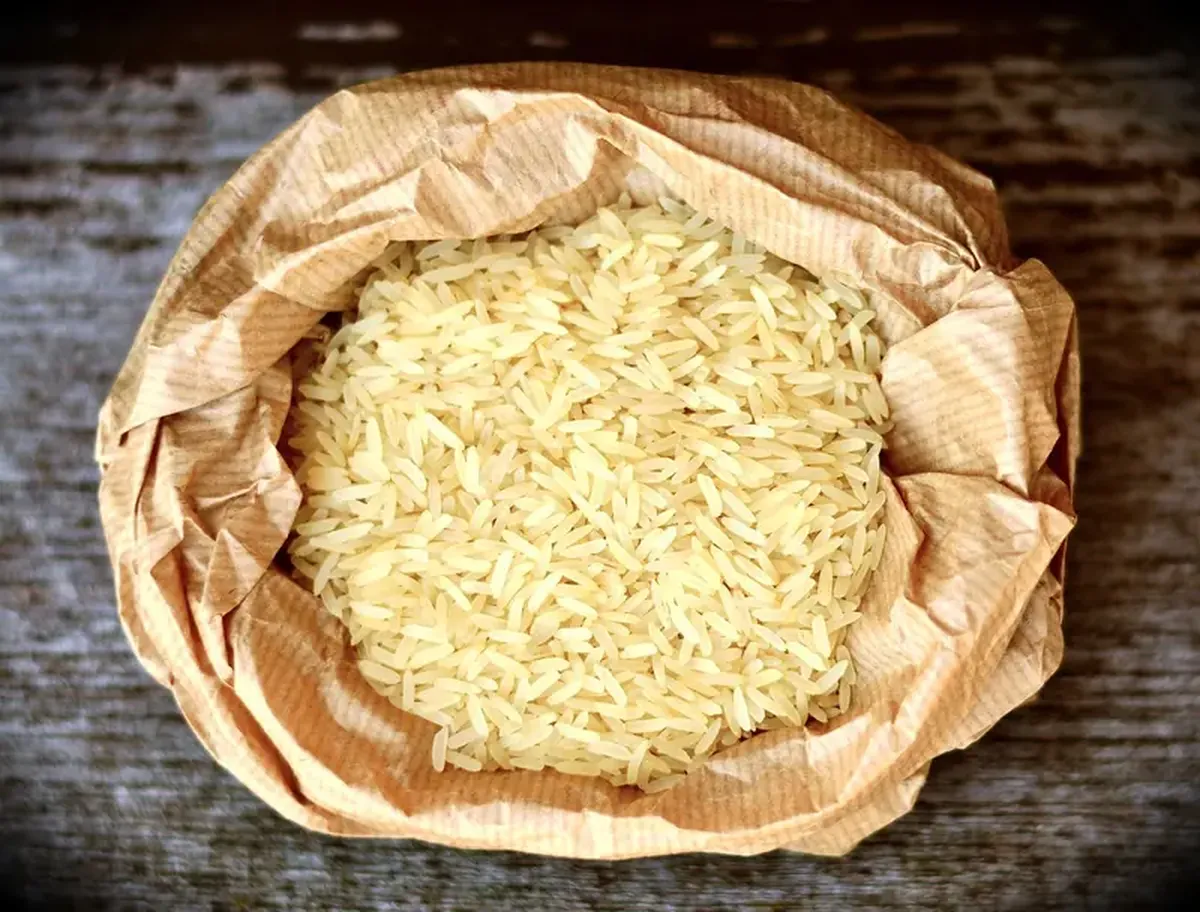
Unprocessed rice retains its valuable outer layer, rich in vitamins and micronutrients, preserving about 80% of its nutrients. Brown rice helps control appetite, making it an effective option for short-term weight-loss plans. The rice diet centers on eating unrefined brown rice without salt and aims to eliminate excess fluid from the body. This approach is often used by people dealing with edema. In addition to quick weight loss, the rice diet can improve joint and blood vessel health.
The rice-diet menu is balanced so that combining rice with boiled vegetables, fresh fruit, oil, milk, and sour cream keeps the calorie count low: you consume about 800–900 kcal per day, while the usual minimum recommended intake is between 1,000 and 1,200 kcal.
However, nutritionists caution that a reduced diet based mainly on carbohydrates lacks sufficient fats and proteins, making it inadequate to meet all of the body’s needs and unsuitable as a permanent eating plan. Losing weight on rice is not appropriate during periods of intense physical or emotional stress. The maximum duration of such a diet is two weeks, with a minimum of three days; weight loss averages about 3 kg per week or 1 kg in three days.
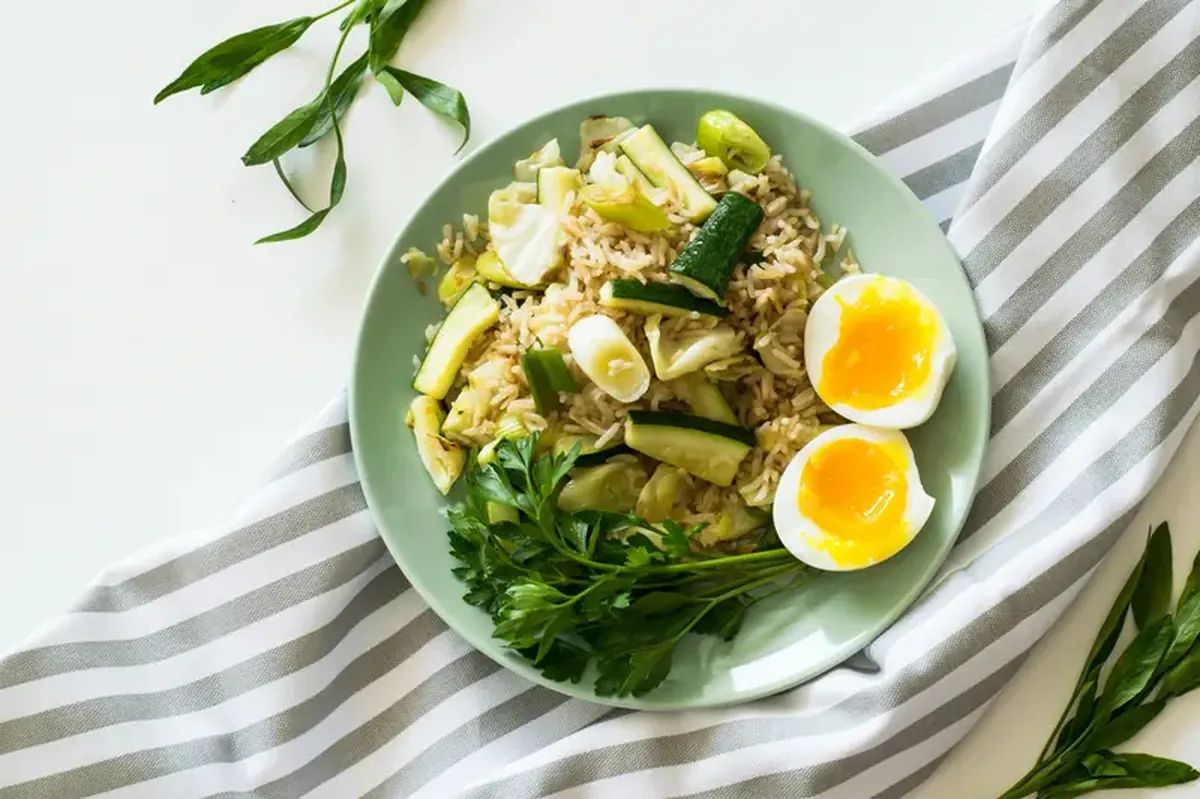
The Rice Diet
The advantage of the rice diet is that it promotes quick satiety and helps prevent hunger between meals.
Day 1
Breakfast: boiled rice (60 g of dry grain) with lemon zest and a few drops of lemon juice, an apple, and herbal tea.
Lunch: fresh vegetable salad (150 g), a cup of vegetable broth, rice with herbs, apple cider vinegar, and olive oil (1 tsp each).
Dinner: a cup of vegetable broth and steamed rice with carrots and zucchini.
Day 2
Breakfast: an orange, rice with orange zest and 1 tsp of sour cream.
Lunch and dinner: a cup of vegetable broth with boiled vegetables and a serving of rice.
Day 3
Breakfast: a pear and boiled rice with cinnamon.
Lunch: a cup of vegetable broth, cucumber salad with olive oil and vinegar, boiled rice with sautéed mushrooms (150 g) in olive oil.
Dinner: a cup of vegetable broth, boiled rice with steamed broccoli.
Day 4
Breakfast: fruit salad with 2 tbsp of boiled rice, rice with cream or milk.
Lunch: a cup of vegetable broth, rice with steamed carrots, radish with leaf lettuce.
Dinner: a cup of vegetable broth, boiled rice with parsley and sunflower seeds.
Day 5
Breakfast: rice with raisins or grapes and grated almonds (1 tsp).
Lunch: a cup of vegetable broth, rice with steamed vegetables and herbs dressed with olive oil (1 tbsp).
Dinner: a cup of vegetable broth, rice with walnuts (1 tbsp), steamed spinach (100 g), grated celery root (2 tbsp), and green onions.
Day 6
Breakfast: a pear, 4 dates, 4 nuts, and a cup of boiled rice.
Lunch: a cup of vegetable broth, boiled rice with raw vegetables (sweet pepper or cucumber), mint, and olive oil (1 tbsp).
Dinner: a cup of vegetable broth, rice with an apple, honey (1 tsp), and sour cream (1 tbsp).
Day 7
Breakfast: a cup of rice with a pear, yogurt (2 tbsp), honey (1 tsp), and a few drops of lemon juice.
Lunch: a cup of vegetable broth, rice with a tomato and steamed green beans.
Dinner: a cup of vegetable broth, rice with steamed zucchini, 5 olives, olive oil (1 tsp), and basil.
In the second week, repeat the diet.
To Wash or Not to Wash?
Culinary experts generally agree that washing raw rice before cooking is useful to remove debris and improve flavor. Rinsing removes surface starch (amylose) that accumulates on grains during processing; that starch clouds the rinse water. Removing it helps keep the grains from sticking together during cooking. This is especially important for white rice, which contains enough surface starch that, if not washed, it can become a sticky mass.
There are dishes where you want the rice to be sticky, though: pre-washing is not necessary for rice used in sushi, rice pudding, or risotto, according to America’s Test Kitchen expert Dan Souza. Culinary author Nik Sharma argues that rice should still be washed to remove dust and impurities, because the sticky texture will come from starch released during cooking from the inner part of the grain. Rinse rice under cold running water in a fine-mesh sieve or pot, draining and repeating 5–6 times until the liquid runs clear. Do not discard the rice water: the starchy rinse can be used to water houseplants.
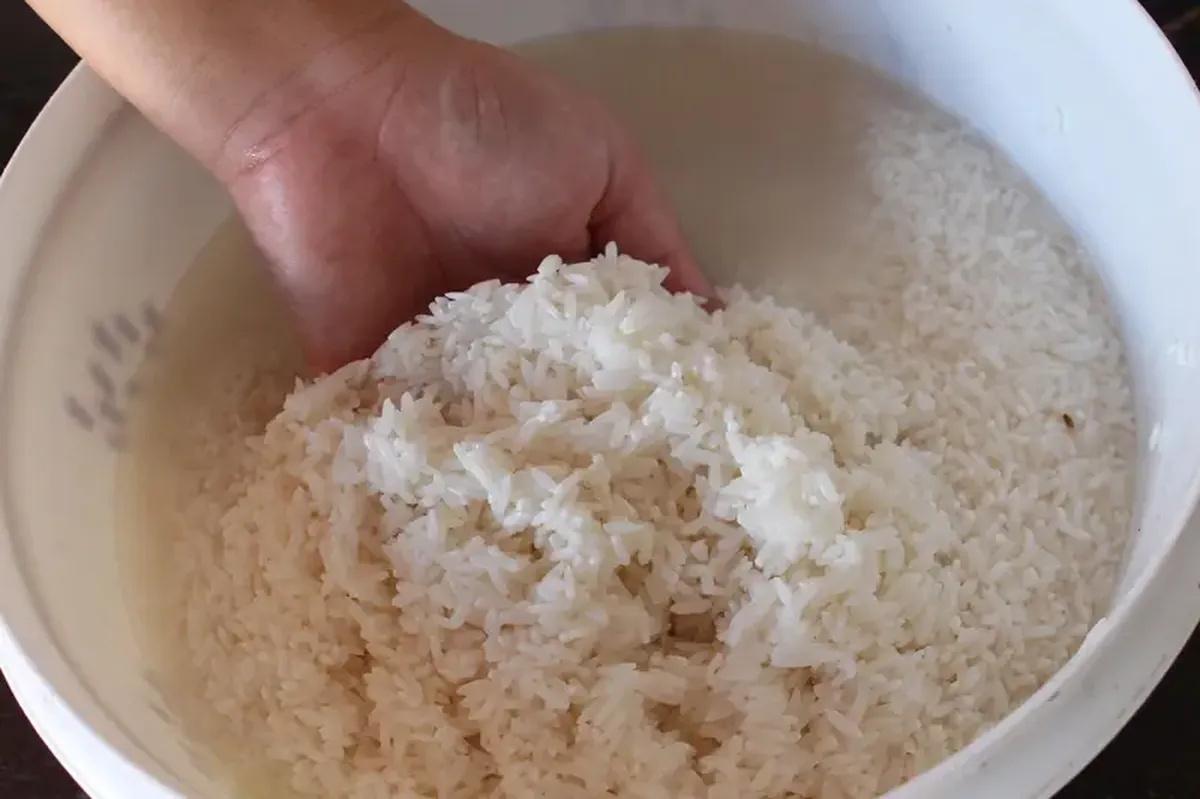
On the other hand, chefs see no point in rinsing rice after it has been cooked, since rinsing does not improve texture. Rinsing cooked rice will make it cold and clumpy rather than less sticky and fluffy. Besides the unappetizing appearance, this process can wash away proteins and carbohydrates from the surface of the grain and reduce nutrient content. Rinsing undercooked rice will make it softer, and rinsing overcooked grains will further ruin their consistency.
Secrets of Flavor
What should you know about cooking different types of rice, pairing rice with spices, matching it with other ingredients, and boosting flavor?
Rice to Water Ratio
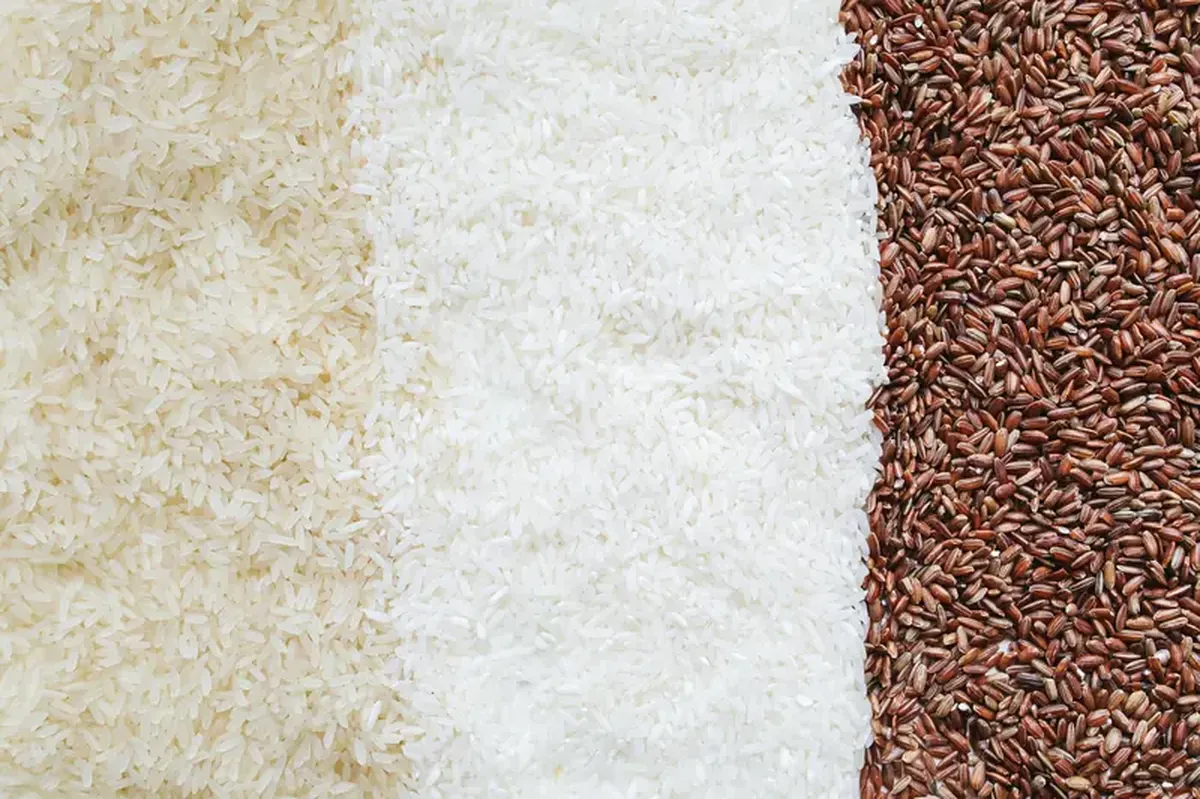
When cooking white rice (sushi rice, long or short grain, or bagged varieties), use 2 parts water for every 1 part rice. For brown rice, increase the liquid slightly: use 2.5 parts water for every 1 part rice. Chefs don’t consider excess water a problem and often cook the rice in plenty of liquid, then drain any leftover water for household use.
Cooking Time
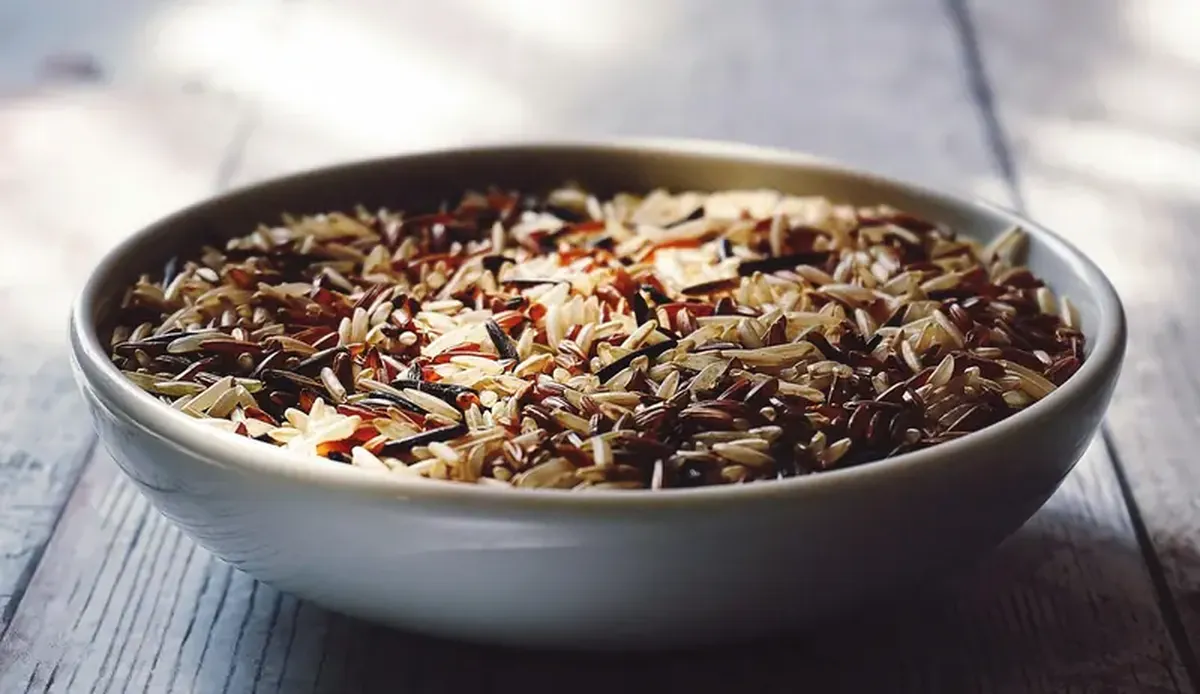
Cooking time depends on the grain. Brown (or wild) rice takes about twice as long as white rice. Round rice and prepackaged grains cook in about 15 minutes; long-grain rice takes up to 20 minutes; sushi rice can take up to 25 minutes; brown rice requires at least 40 minutes (the first 10 minutes on high heat, then simmer until done). Cooking time is counted from the start of cooking.
How to Cook Rice for Fluffiness
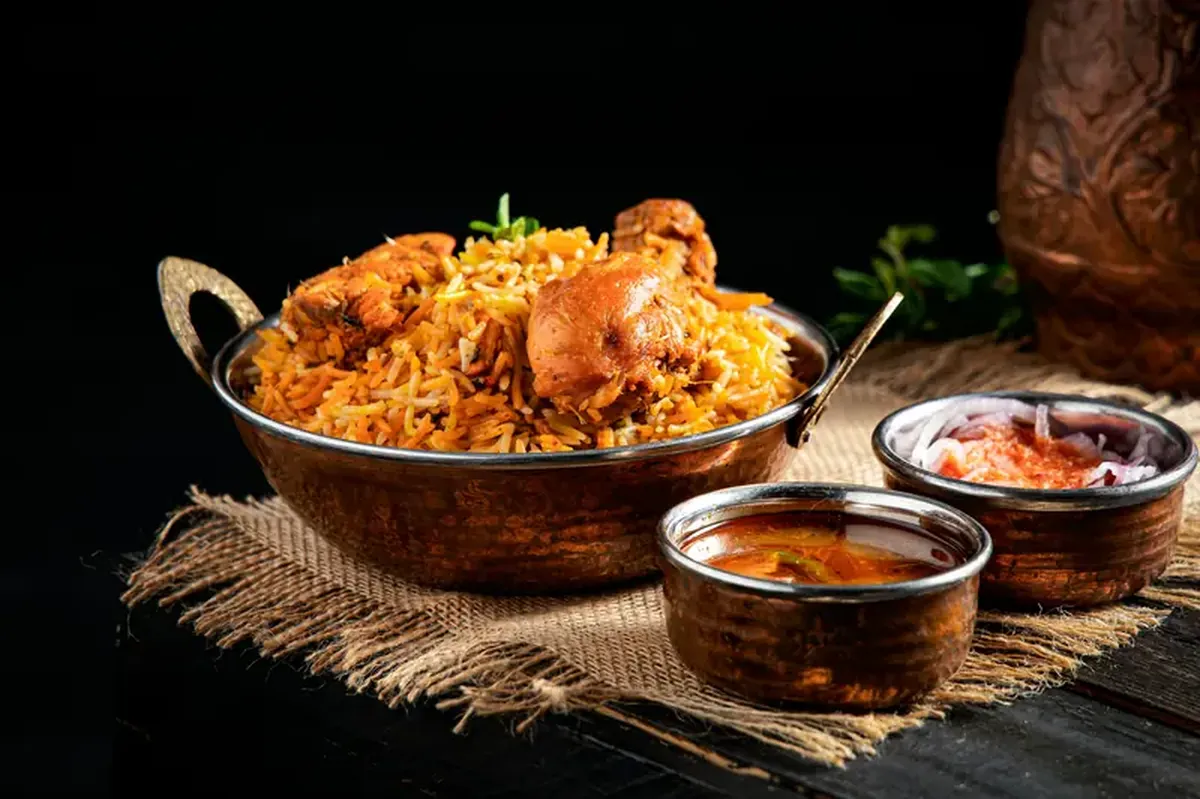
For fluffy rice, parboiled basmati is a great choice: its distinct, needle-like grains don’t stick together. Before cooking, you can sauté the rice in butter to add flavor. A small piece of butter in the pot also helps. Pilaf typically stays fluffy when prepared correctly. According to traditional Uzbek technique, cook it in a thick-walled cast-iron cauldron so the rice cooks evenly in fat and neither the meat nor the grains stick to the walls.
Cooking Methods
Rice can be prepared in a pot, a rice cooker, or a microwave.
How to Cook Rice in a Pot
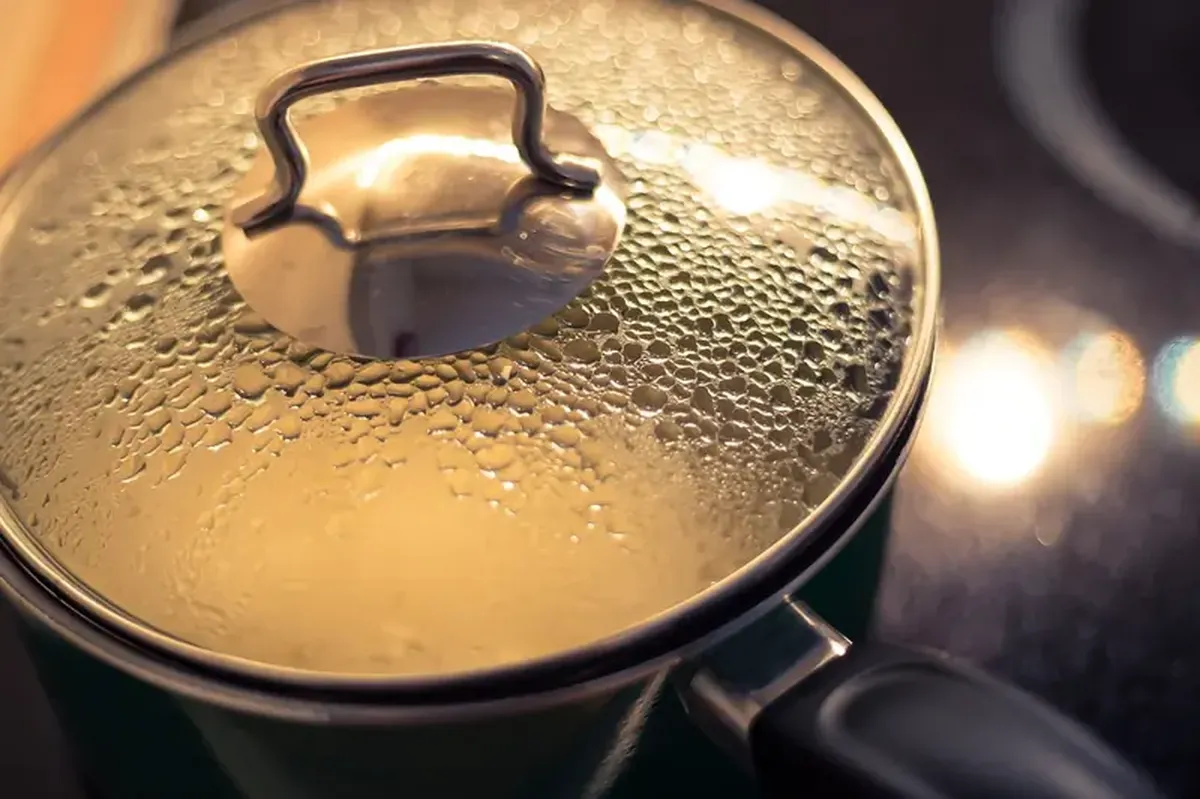
To prevent the grains from turning into mush, do not stir the rice while it cooks—at least not until the water boils. After boiling, reduce the heat to low, cover the pot tightly, and maintain a gentle simmer without peeking. Wait until the grains have absorbed the water, then fluff the cooked rice with a fork.
Rice in a Rice Cooker
This method is ideal for wild rice, which needs a longer cooking time. Add a little oil or butter to the rice cooker bowl to release the grain’s aroma. After adding the rice, set the cooker to the “Sauté” mode and stir the rice while it sautés. Then pour in water at a 2:1 ratio (water to rice) and set the cooker to the “Rice” or “Grains” mode. After cooking, fluff the rice with a fork.
Rice in the Microwave
Choose a microwave-safe container and remember rice will expand while cooking. You can cook white round or long-grain rice in the microwave. Use a 2:3.5 ratio of rice to water (for 2 cups of rice, use 3.5 cups of water). Cook on maximum power until most of the liquid evaporates—about 10 minutes for 2 cups of rice. Stir the partially cooked grains, then set the microwave to medium power (about 250–300 watts), cover, and continue cooking for another 15 minutes until the liquid is absorbed. Before serving, fluff with a fork.
Dish Technology
Different dishes call for different rice types: pilaf, sushi, and stuffed cabbage each have their own requirements. While parboiled or polished long-grain rice is good for fluffy side dishes or pilaf, delicate Japanese dishes require grains that hold together under a thin base and can support heavier fillings.
Rice for Sushi
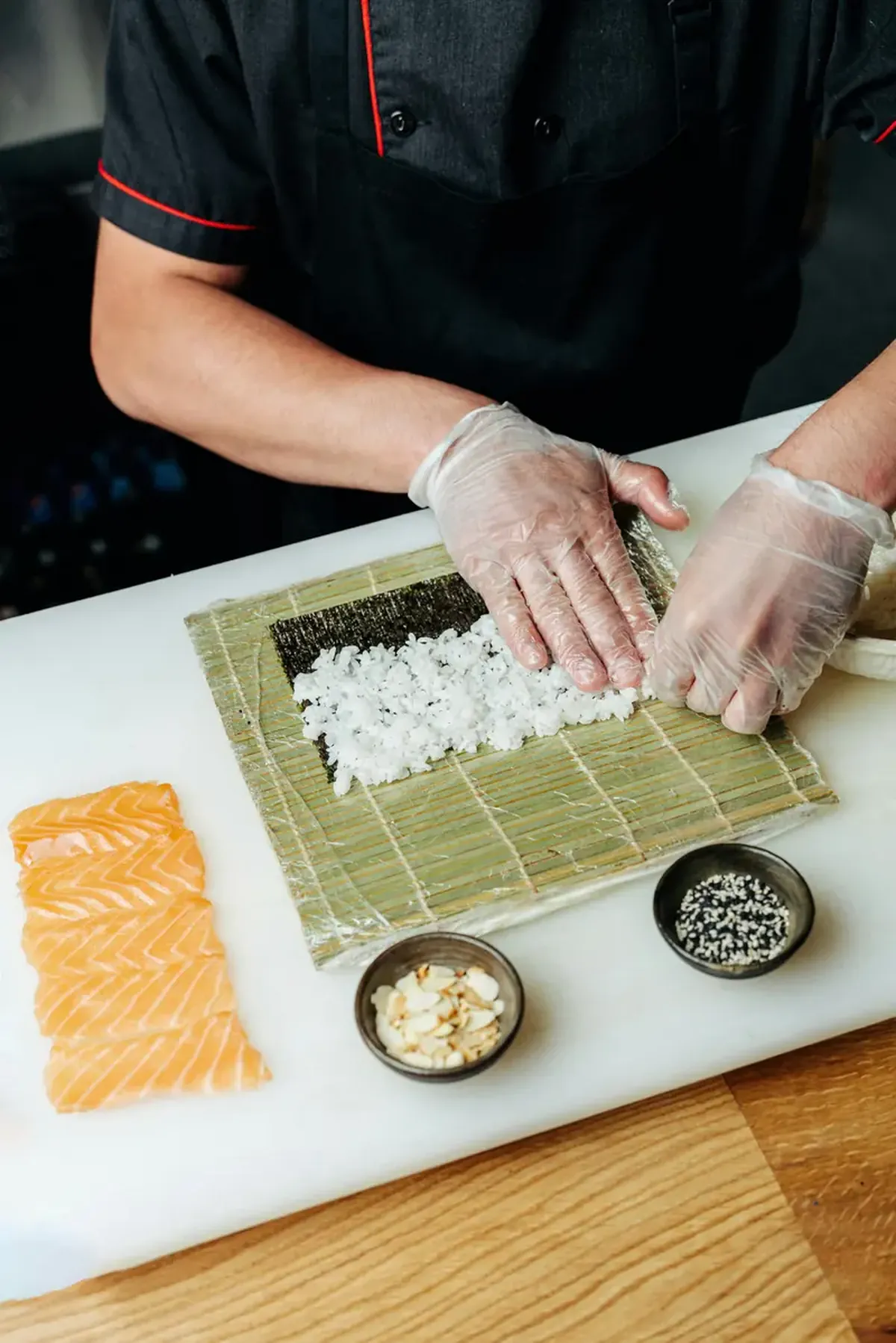
Japanese cuisine starts by choosing the right grain: short-grain rice that cooks well but keeps each grain distinct. Opt for short-grain varieties, which contain the starch needed for structure. The rice should be white with no yellowing and have uniform grain size. Cook rice for sushi and rolls in an enameled pot with a nonstick silicone mat at the bottom. For 200 g of rice, use 200–250 g of water. Cooking time is about 15 minutes after boiling. The key is not to season the rice during cooking. One exception some sushi chefs make is adding a sheet of nori to the pot briefly for a hint of sea aroma, then removing it before boiling. For seasoning, the classic approach uses sake or rice vinegar; a typical seasoning blend is 2 tablespoons of vinegar with 1 teaspoon each of sugar and salt, heated and mixed together.
How to Cook Rice for Stuffed Cabbage
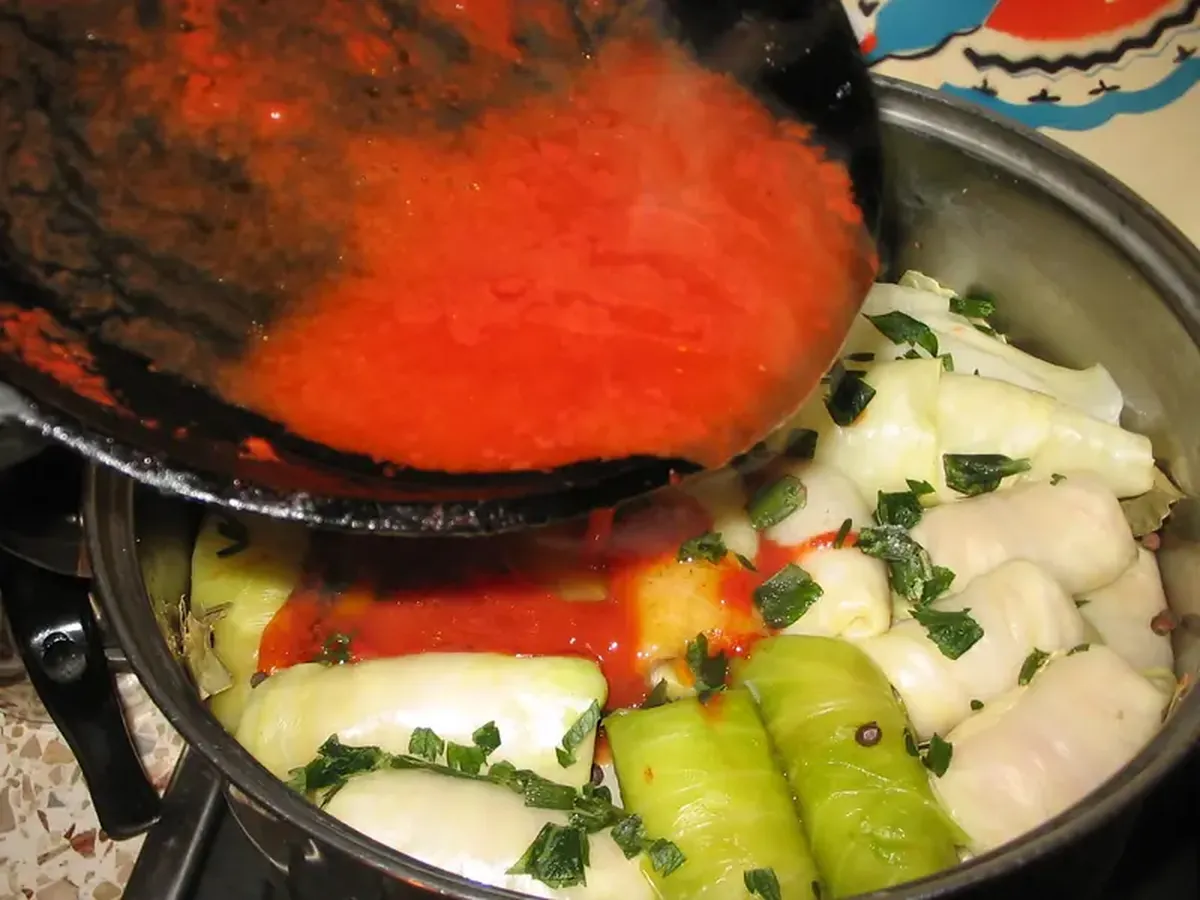
For stuffed cabbage, use sticky short-grain rice so the filling holds together. Chefs often use Arborio, Carnaroli, Vialone, or Nano rice for this purpose. Broken rice grains aren’t suitable, as they make the filling too runny. Pre-cook the rice until semi-cooked using a 1:2 rice-to-water ratio. Bring the rice to a boil, then simmer on low heat for 10 minutes. Optionally add 1 tsp of butter, cover, and let it sit warm for 10 minutes. If the rice isn’t pre-cooked, stuffed cabbage will take longer to stew.
Rice for Pilaf
To make traditional Uzbek pilaf in a cauldron, wash fluffy rice and soak it for 1 hour. Pilaf with vegetables and meat is made with a few essential ingredients. To get a true eastern pilaf rather than rice porridge with meat, don’t boil the rice; instead, stew it in fat with the meat. Choose lamb or beef and cut it into large pieces, sauté them, then chop before combining with the rice. For 1 kg of raw rice, use about 200 ml of oil. The pilaf recipe includes carrots and onions (cut the carrots into large cubes and the onions into rings or half-rings). Avoid adding tomato sauce—experienced chefs say it ruins the dish. Traditional spices that pair with rice include cumin seeds, barberry, saffron, whole garlic, a whole hot pepper pod, ground black pepper, and paprika. Add spices to the sauté rather than directly to the rice grains. In many Asian kitchens, spices are treated as equal partners to rice and in pilaf are often considered as important as the main ingredients.