
 Gaby
GabyFor centuries, turbulent waters have been both a curse for sailors and a source of legends. The world’s oceans include areas — whole seas and ocean zones — that researchers classify as among the most dangerous. Here are the factors they consider when deciding what makes a sea perilous. First and foremost, it’s crucial to know its location: is it close to land or far from it? Another characteristic is the presence of hazardous natural features, such as underwater ridges, narrow straits, or numerous icebergs. Finally, meteorological conditions play a significant role. How powerful and predictable are the local currents? How often do storms occur? What are the wave heights and water temperatures? The danger level of a sea can also be assessed by looking at the number of shipwrecks and disasters over the centuries, as well as contemporary piracy incidents. Here are three examples of seas and ocean areas that combine several of the most threatening factors.
Drake Passage
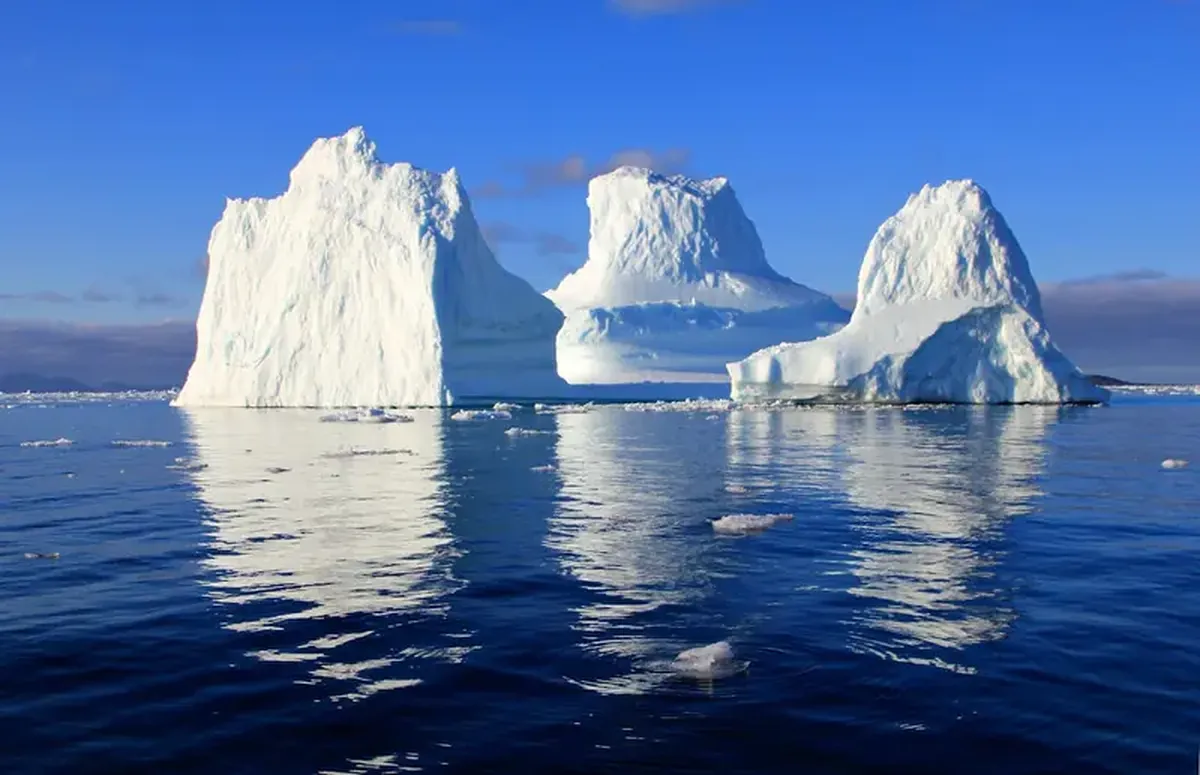
This is one of the most notorious and deadly stretches of water and the widest strait on Earth, measuring over 800 kilometers across. Named after the English explorer Sir Francis Drake, the passage is infamous for storms and treacherous currents. It’s the shortest sea route between Antarctica and Cape Horn on South America, and it links the Atlantic and Pacific Oceans. The waters here are extremely unpredictable because there are no large land masses at this latitude. Consequently, currents — particularly the Antarctic Circumpolar Current (ACC) — can flow unimpeded, transporting massive volumes of water. The ACC moves between 100 and 150 million cubic meters of water per second and pushes icebergs through the strait, posing a threat to ships. Additionally, the Drake Passage is known for extremely strong winds, which create waves ranging from 9 to 12 meters high. All these factors, combined with a depth of five kilometers, make this body of water a deadly barrier, especially for those traveling to Antarctica.
South China Sea
This sea covers a part of the Pacific Ocean that is prone to devastating tropical storms and typhoons, particularly during monsoon seasons. As a result, the South China Sea poses dangers to ships that venture into its waters. Vessels must also contend with vast areas of shallows, sunken reefs, and atolls, many of which remain unexplored. Overall, the waters of this sea are hazardous for navigation, not least because of strong currents. The South China Sea’s reputation has also been tarnished by geopolitical tensions, with several countries claiming rights to parts of this maritime space. Those disputes have sometimes led to military confrontations. The sea also has a long history of piracy, with ships periodically falling victim to attacks or hijackings, as reported by IFLScience.
Bermuda Triangle
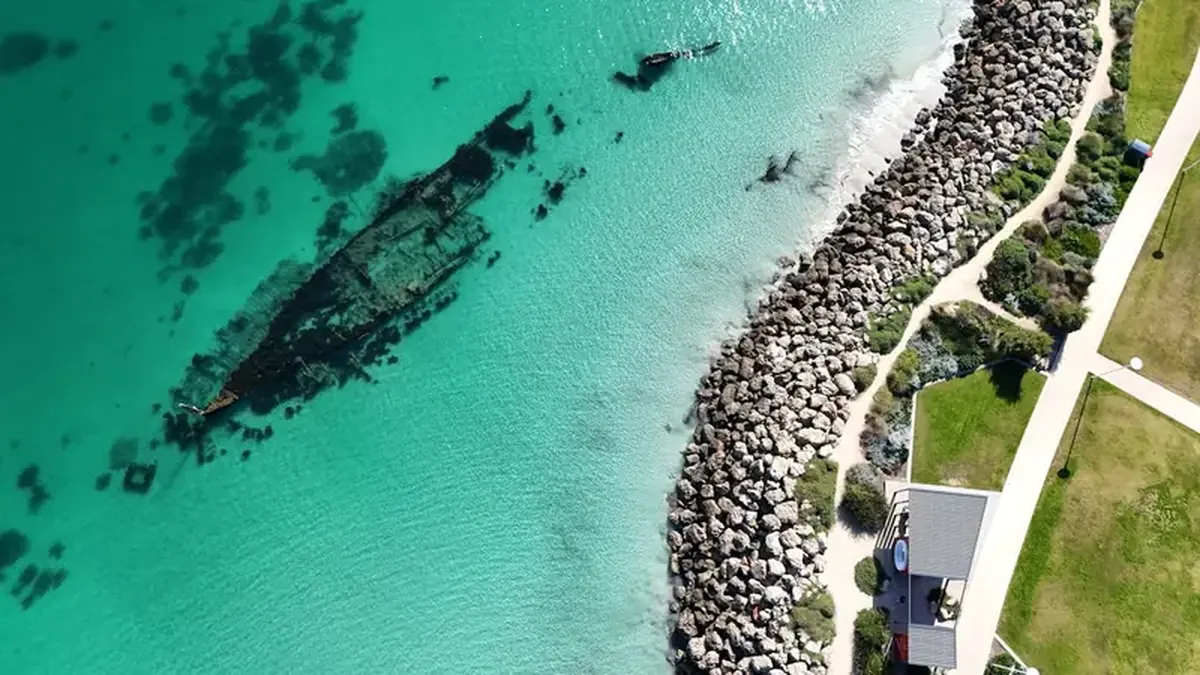
There are few people who haven’t heard the chilling tales associated with the Bermuda Triangle. Yet today it’s rare to hear about new incidents of shipwrecks and disappearances in this area. The Bermuda Triangle is a region of the Atlantic Ocean covering about 1.3 million square kilometers, stretching between Bermuda, Puerto Rico, and the southern tip of Florida. Over the past century, this patch of water has gained notoriety for a number of mysterious incidents, including disappearances. Those strange occurrences have prompted countless explanations, ranging from plausible to downright absurd. But statistics indicate that the number of accidents in this loosely defined triangle is no greater than in other parts of the world’s oceans. In fact, in 2013 the Bermuda Triangle didn’t even feature in a study that focused on maritime accidents and identified the most dangerous waters for navigation. Perhaps the reputation of this demonized region is slowly fading into the past?
