
 Carlos Solis
We rounded up eight science-backed facts about our fluffy friends — from whether cats really love us to how they use their whiskers. Read on and enjoy!
1. You can bond with a cat using a slow blink
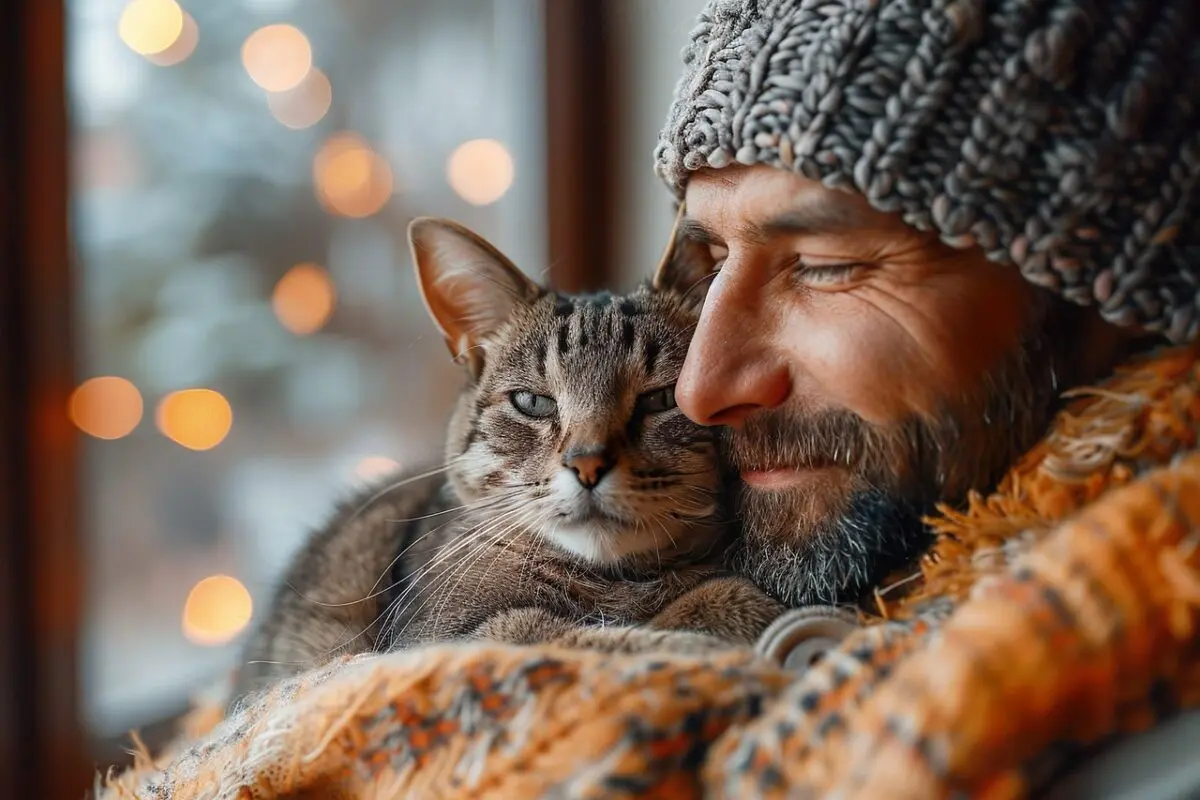
Researchers at the universities of Portsmouth and Sussex found that when people narrow their eyes, it helps them connect with cats. That expression mirrors a cat’s “smile” — the slow blink — and seems to promote a bond between human and animal.
Try this little exchange: soften your gaze like a relaxed smile, then close your eyes for a few seconds. Many cats return the gesture with the same slow blink. In the study, cats blinked back at their owners more often after the owners blinked first than when no interaction occurred.
2. One in 10 pet cats shows separation anxiety
In a sample of pet cats, more than 10% showed behavior problems when their owners were temporarily absent.
The analysis found that 13.5% of cats displayed at least one trait linked to separation issues. Owners most often reported destructive behaviors such as excessive meowing, urinating outside the litter box, aggression, restlessness, anxiety, apathy, and loss of interest.
Factors tied to those problems included a lack of toys, no other pets in the home, and periods when the house was empty of people.
3. Your cat really can love you
Domestication began with food: archaeologists who analyzed cat bones about 5,300 years old from China concluded that those cats hunted rodents in grain stores. People sheltered the cats, and the cats protected our food.
Over time, Western cultures selected cats not only for rodent skills but also for cleanliness and gentleness.
A September 2019 study found that cats can show signs of secure attachment similar to dogs: a caring person’s presence makes a cat behave as if it feels safe and calm. Separate evidence shows petting can trigger brain hormones in cats that resemble the hormones humans get around loved ones. In the race for the title of best human companion, dogs may finally have real competition.

4. Cats can sense an approaching storm
Cats and other animals hear, smell, and feel changes in air pressure better than people do. A cat’s inner ear can pick up a sudden drop in pressure before a person notices, and cats can learn to link that change with an incoming storm.
When a thunderstorm is still some distance away, a cat can hear distant thunder. A cat can also detect the scent of approaching rain or the sharp, metallic ozone smell that follows lightning.
5. Cats love boxes because boxes feel warm and safe
Cats sleep up to 18 hours a day. As naturally solitary hunters, they look for secure hiding spots for rest.
A cat curled up in a small box, even one sitting on the floor, will often try to avoid a cold surface. If there’s no sunny patch nearby, a cozy box or an old shoe will do the trick.

6. Pet cats are still hunters
A study published in March 2020 shows that village pet cats’ hunting activity can significantly affect local wildlife populations. Most cat movements stay within about 100 meters of home, covering a few neighboring gardens.
Study author Roland Kays said, “Because people feed them, pet cats kill fewer prey per day on average than wild predators, but their tiny home ranges concentrate that impact. Factor in high cat densities in some areas, and the risk to birds and small mammals goes up.”
The study estimated that pet cats kill an average of 14.2 to 38.9 prey items per year.

7. Cats can’t be true vegans
Cats are obligate carnivores: some amino acids, such as taurine, appear only in meat, and a cat cannot synthesize or store enough of them. For that reason, a fully vegan diet for a cat requires very careful formulation based on the cat’s age and body weight.
Taurine deficiency can cause blindness and heart failure, while excess taurine can raise the risk of serious urinary tract infections. In meat-eating cats, taurine comes from natural food; vegan diets rely on synthetic taurine that appears in different forms and absorbs differently in a cat’s body. That makes it difficult to create a consistently safe, balanced vegan diet for cats.
8. A cat’s whiskers make it a precise hunter
A cat’s whiskers, or vibrissae, include about 24 movable hairs, plus less visible whiskers above the eyes, on the chin, and on the back of the front legs. These thick hairs sit on deeply rooted nerves that help the cat literally feel its way when hunting, especially in the dark.
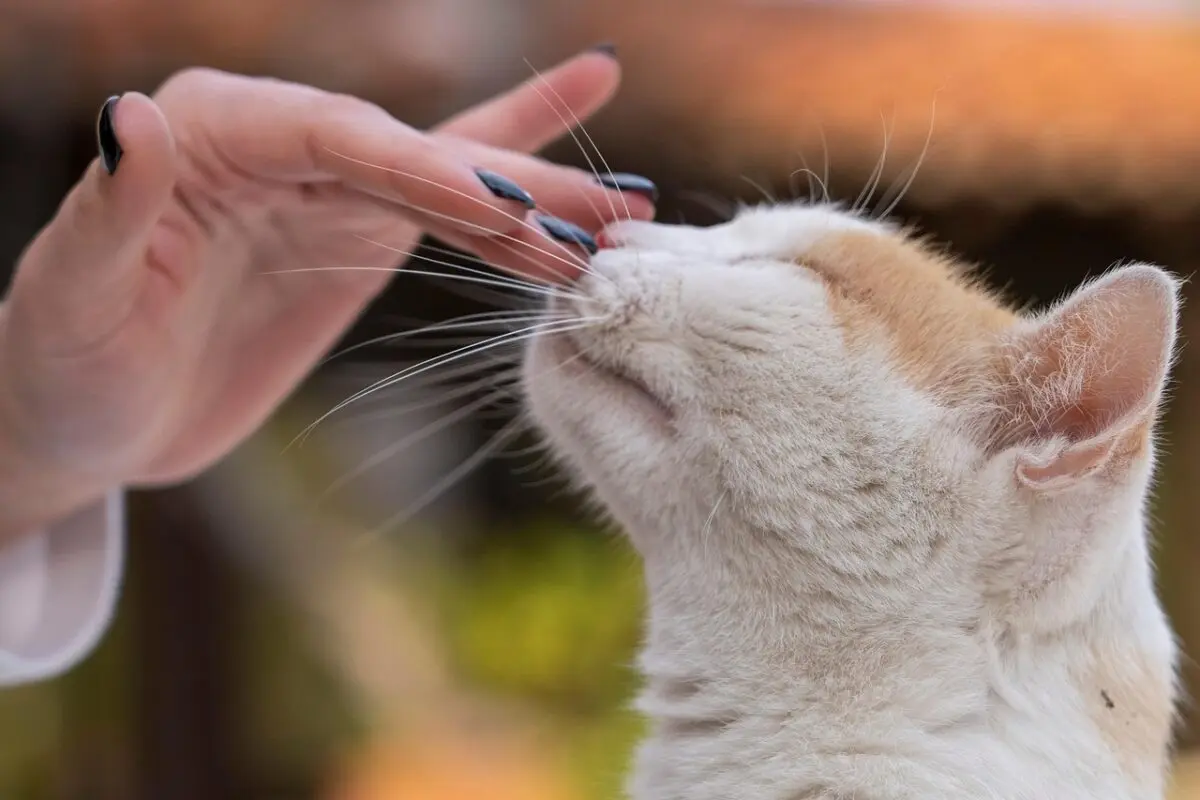
Whisker placement matches body width and helps cats judge gaps while moving. Proprioceptors at the whisker tips detect distance to prey, direction, and even texture. Whiskers also sense airflow, which further coordinates the cat’s movements. No wonder your cat moves with such grace.
Based on material from BBC Science Focus
