

We used to just water our houseplants on schedule. Now many people consider them part of the family.
A team of researchers from the University of South Australia surveyed 115 volunteers aged 18 to 69 who owned houseplants. On average, the participants had about 15 plants at home, with one individual boasting over 500.
The researchers asked respondents to describe their “relationships with houseplants.” The results revealed that around 14 percent of participants had formed close bonds with their plants. These volunteers expressed feelings of “deep love” for their greenery and even considered them family members. Meanwhile, 42 percent reported an emotional attachment to their indoor plants.
In response to the survey, a 28-year-old man told researchers that his houseplants are “like children” to him. A 48-year-old participant admitted that he talks to his plants every day, professing his love for them.
This trend seems particularly strong among Generation Z. A 24-year-old participant said she feels the same tenderness for her plants as she does for pets. Another participant remarked, “Plants are my children.”
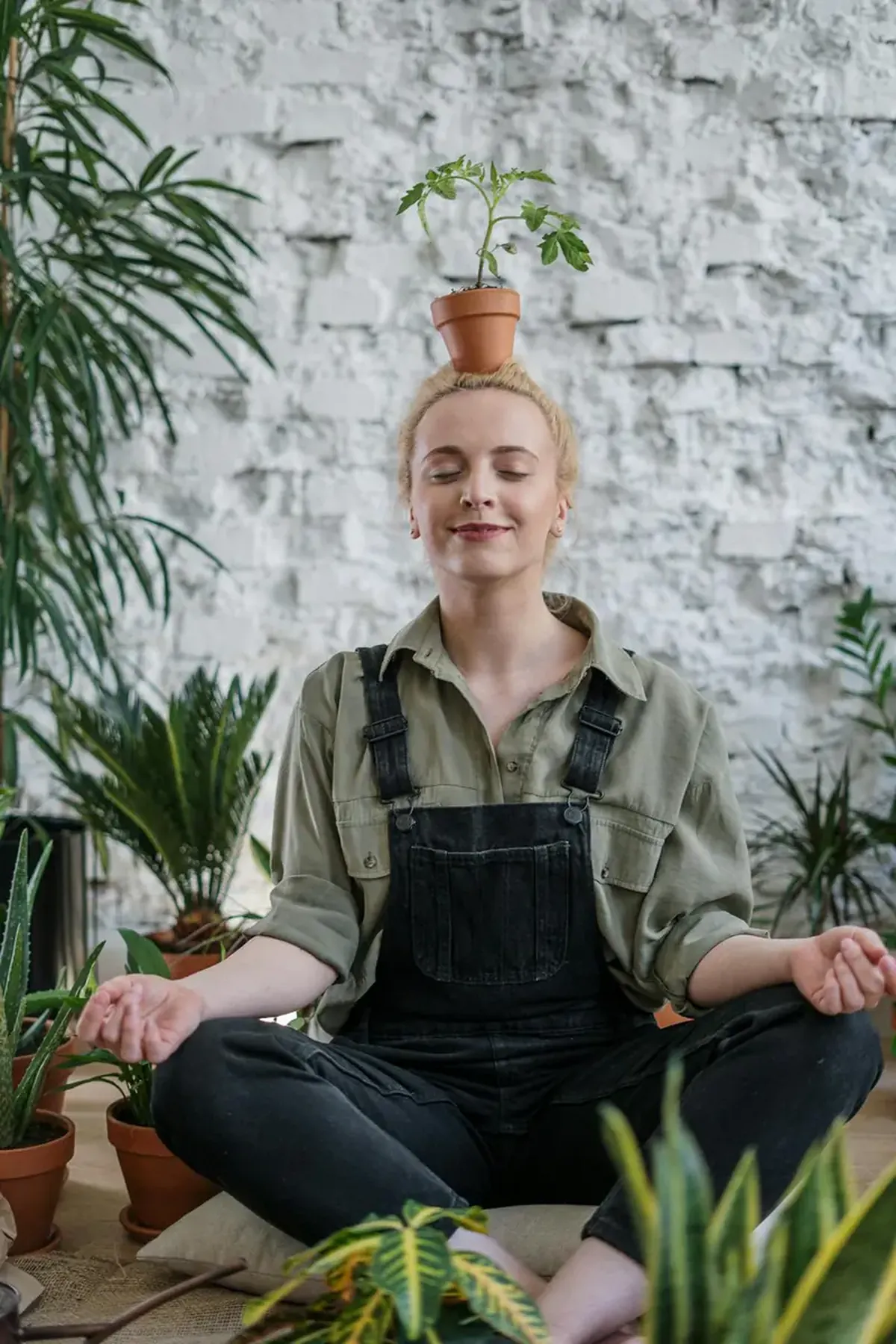
What’s Behind This?
The research team believes this emotional attachment to houseplants has grown alongside the social media craze for photos of quirky potted plants. Plant sales also surged during and after the pandemic, the Daily Mail reported.
Dr. Brianna Le Busque, who led the study, said, “People now view houseplants as family members. They feel strong emotions toward their potted plants, possibly because caring for them provides a genuine sense of purpose and satisfaction.”
A generation ago, houseplants were more like pieces of furniture—nothing more. Now people seriously study how to care for their plants and even know their scientific names. Some volunteers said they feel upset when a plant loses leaves or starts to wilt.
Women were more likely than men to report a close attachment to their plants. Twelve percent of male participants said they had no relationship with their plants at all.
The researchers suggested those warm feelings may come from plants’ ability to reduce stress and negative emotions, promote relaxation, and improve indoor air quality.
The findings of the study were published in the journal Plant Environment Interactions.
A recent study led by the Royal Horticultural Society in the UK found that people prefer plants with rounded shapes and see a healthy appearance as important for their well-being.
