
 Gaby
Gaby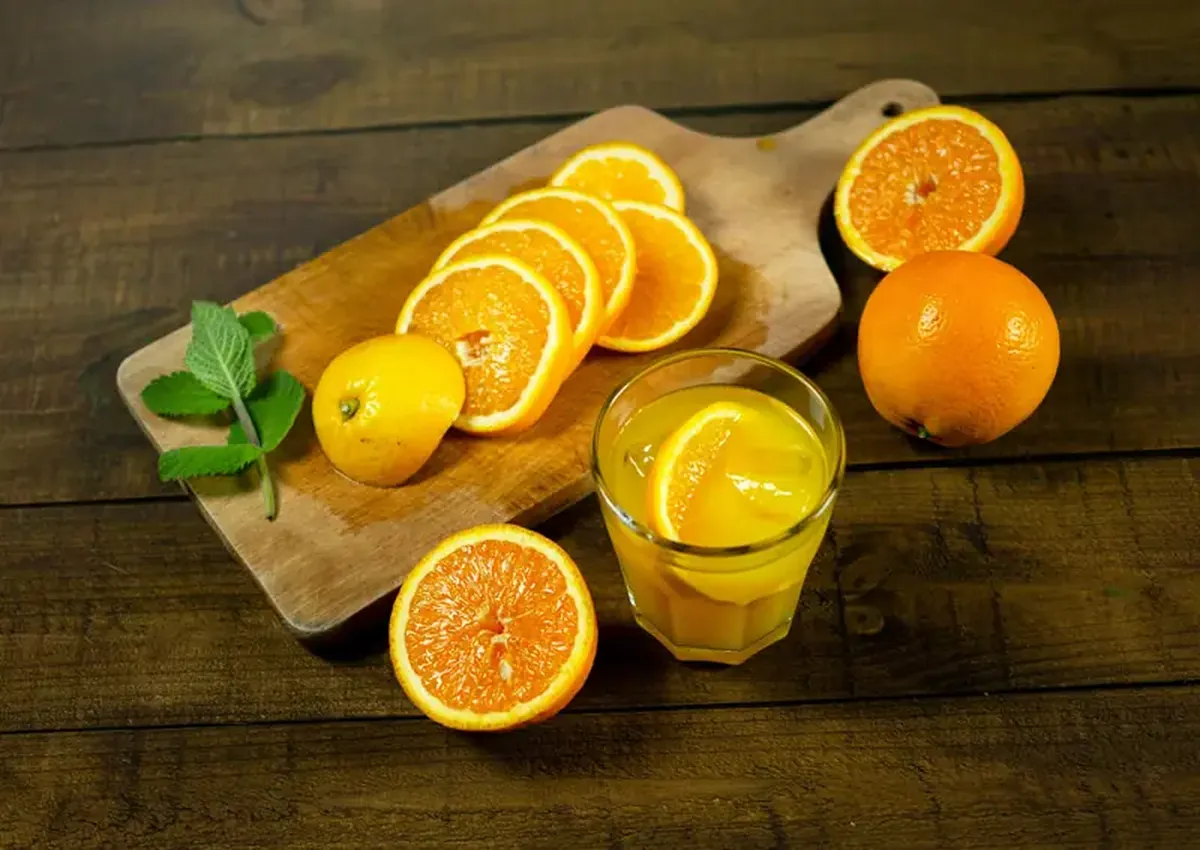
Experts have revealed how the ripeness of bananas, oranges, and blackberries affects their health benefits.
Typically, nutritionists have focused our attention on the sugar content, antioxidants, and vitamins found in various fruits. However, the relationship between their health benefits and ripeness levels has rarely been studied. It turns out that each fruit and berry has its own ideal condition in which the body can absorb the maximum amount of essential nutrients.
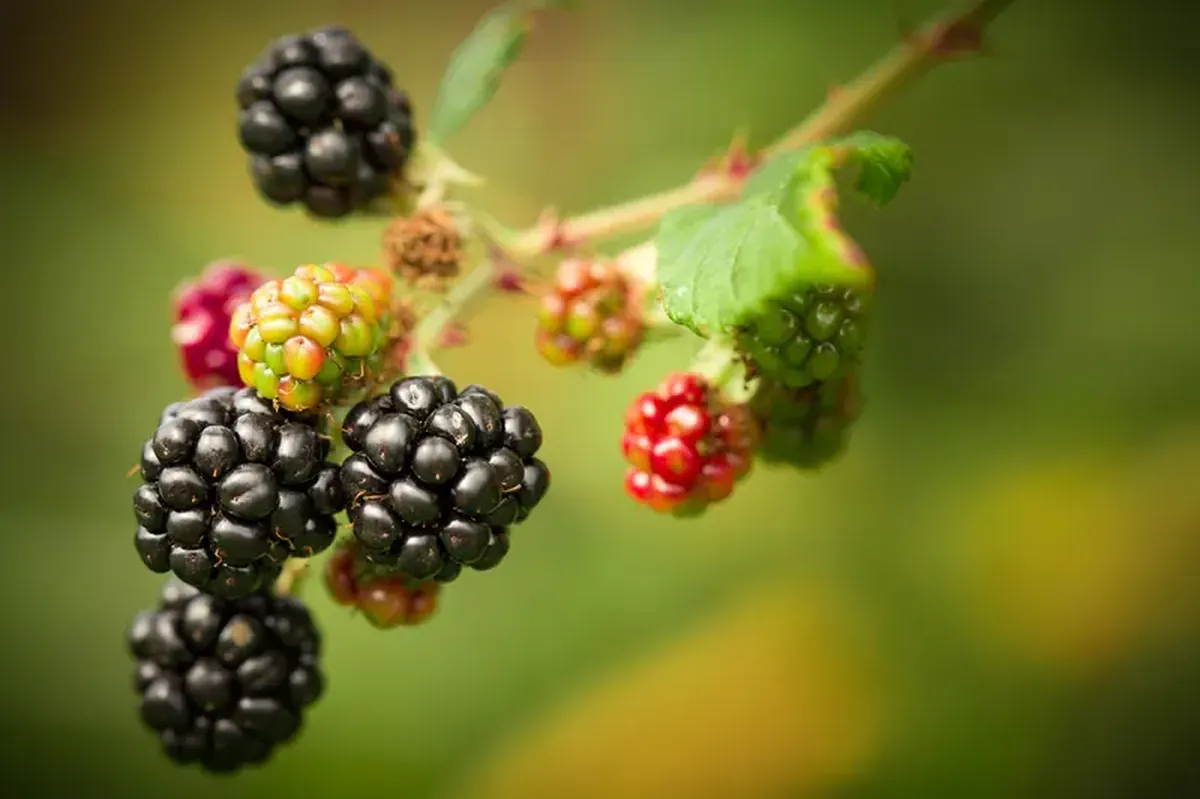
Wait Until Blackberries Are Juicy
Blackberries are more beneficial than many other berries. In 100 grams of blackberries there are only 43 calories, yet they are packed with vitamins A, B1, B2, E, C, and PP. One cup of blackberries contains about half of the daily recommended intake of vitamin C, making this berry a strong immune booster.
Blackberries are also rich in iron, minerals, tannins, and antioxidants. The darker the fruit, the higher its antioxidant content.
The dark purple color of blackberries comes from the antioxidant anthocyanin, says Tai Ibitoye, a London dietitian. She advises waiting until blackberries are fully ripe and juicy to get the most benefit.
She says the antioxidant content can increase fourfold in very ripe blackberries. Berries with high levels of antioxidants help the body fight various diseases, especially cardiovascular disease. They also have a calming effect on the nervous system.
A team of dietitians from Oregon State University (USA) found that unripe blackberries contain 74.7 mg of antioxidants per 100 grams. In very ripe blackberries, that figure rises to 317 mg per 100 grams, the Daily Mail reported. By comparison, 100 grams of unripe Marion blackberries, a sweet early variety, contain 69.9 mg of antioxidants, while ripe Marion berries have 164 mg. Marion is a large, sweet variety developed in Oregon more than 60 years ago.
Despite their benefits, blackberries should be eaten cautiously by people with allergies or low blood pressure.
Oranges Can Be Overripe
At peak ripeness, oranges contain the most vitamin C. So when you’re shopping, choose very ripe fruit.
In addition to vitamin C, oranges are rich in B vitamins, vitamins A, H, and PP, and minerals such as phosphorus, potassium, calcium, zinc, iron, and magnesium. This citrus fruit is also loaded with pectin, fiber, and antioxidants. In 100 grams of orange there are only about 60 calories.
Oranges benefit the cardiovascular and nervous systems, support bone tissue regeneration, and can lower cholesterol levels. Eating them can also make skin firmer and smoother.
Oranges, like other fruits, are best eaten raw; cooking reduces their beneficial compounds, says Tai Ibitoye.
Unripe Bananas Have the Edge
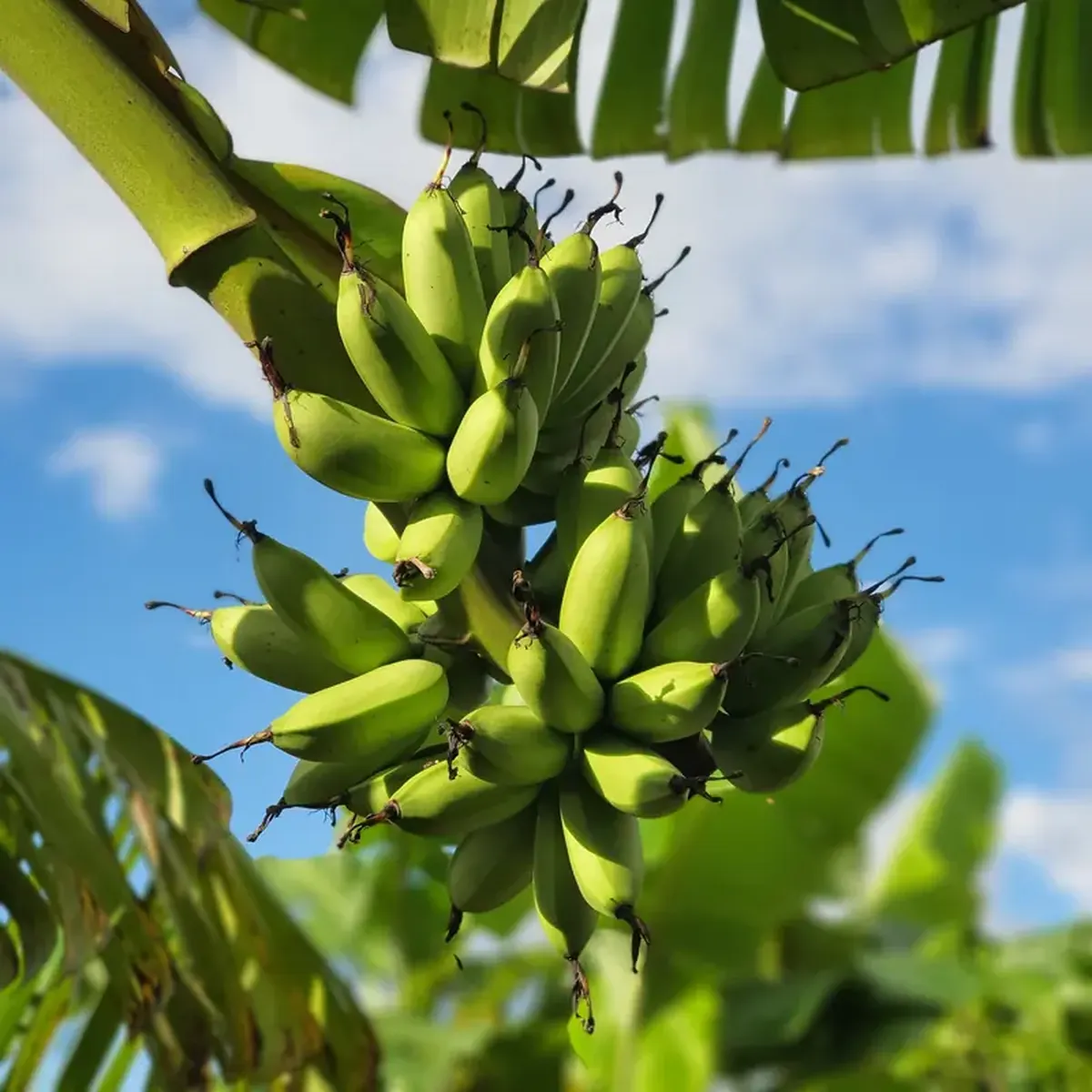
As bananas ripen, their texture changes and they become sweeter. For that reason, people with diabetes are advised to eat unripe bananas. Debra Williams, a dietitian and head of the British company Eat Well Now, shares this view.
Bananas are a source of quick energy, making them an ideal snack for people doing sports or focused mental work.
Bananas are rich in vitamins C, E, and B vitamins. They contain plenty of potassium and magnesium, which support heart health. Their iron content can help increase hemoglobin levels in the blood. These fruits are also high in fiber, which helps regulate digestion, especially when the bananas are unripe.
However, bananas can thicken the blood, making them unsuitable for people with varicose veins and thrombophlebitis. Given that an average banana has around 89 calories, they are not recommended for people with obesity.
