
 Gaby
Gaby
You’ve been commuting home from work along the same route for five years. But lately, as you stop at an intersection, you find yourself struggling to remember whether to turn left or right.
These moments make you wonder: are memory lapses a normal occurrence, a sign of declining cognitive functions, or the onset of dementia?
A Little Forgetfulness is Normal
When this happens repeatedly, it’s easy to think that the cause is age-related decline in the brain. Just like the rest of our bodies, brain cells “shrink” as we get older. They form fewer connections with other neurons and produce fewer of the chemicals needed to send messages to other neurons.
However, not all memory lapses are linked to aging. In many cases, the reasons are more trivial, such as fatigue, anxiety, or distraction.
Oliver Baumann and Cindy Jones, memory experts at Bond University in Australia, say a certain level of forgetfulness is perfectly normal.
Our memory system is designed so that some degree of forgetting is a natural part of how it works. It’s not a flaw but a feature. Retaining a vast array of information uses energy, and having too much information can slow or complicate retrieval.
We don’t always get to decide what’s important to remember. Our brains do that for us. Typically, they prioritize social information (like political news or the latest gossip) while easily discarding abstract information (such as numbers).
Memory becomes a concern when lapses start interfering with everyday life.
If you can’t remember where to turn on the road, that’s not a big deal. However, if you forget why you’re driving, where you’re supposed to go, or even how to drive, that’s not normal. These are signs of something serious and should be evaluated, according to ScienceAlert.
Mild Cognitive Impairment
Mild cognitive impairment sits between normal age-related memory loss and more severe memory decline. The degree of impairment can remain stable, improve, or worsen over time.
This condition indicates an increased risk of future neurodegenerative diseases, such as dementia. Each year, about 10-15 percent of people with mild cognitive impairment develop dementia.
Those on this transitional threshold may gradually lose the ability to carry out everyday tasks. The situation can worsen over time. Memory loss can sometimes be accompanied by difficulties with speech, thinking, and decision-making. A diagnosis like this is a reason to see a specialist.
Early Marker of Alzheimer’s
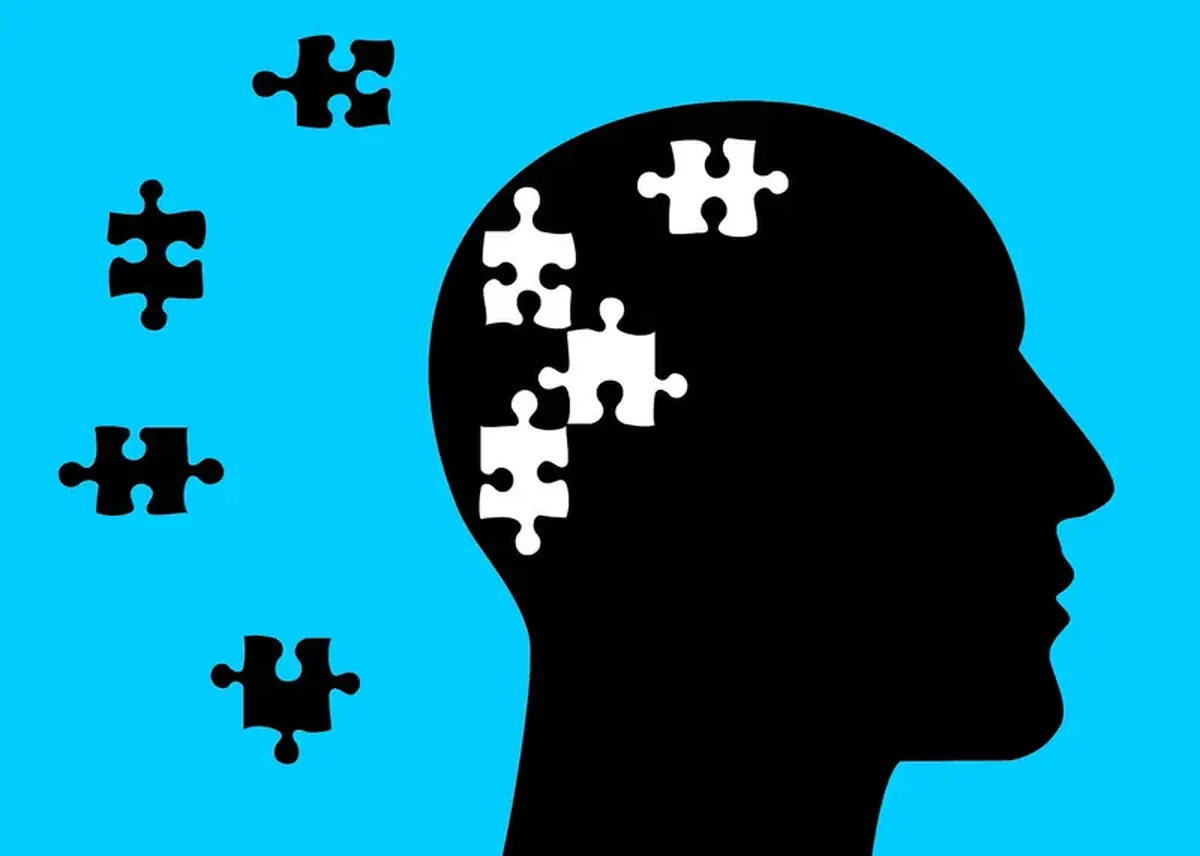
Memory issues that cause navigation problems are considered an early marker of Alzheimer’s disease—the most common type of dementia. MRI studies show that the brain areas responsible for recalling spatial environments are among the first affected by the disease.
Thus, increasingly frequent memory lapses may serve as a warning sign of more pronounced difficulties in the future.
Experts emphasize that if memory lapses are persistent, it’s essential to seek help from a doctor. Early detection lets a specialist address the problem more effectively.
