
 Gaby
Gaby
When spring arrives, many people feel drained: fatigue, drowsiness, brain fog, brittle nails and hair, and pale, dry skin. Doctors call this seasonal drop in nutrients avitaminosis, or vitamin deficiency.
The Essential Vitamin Champion
Every part of the rosehip plant has healing uses, but the fruits hold the highest concentration of active compounds. They contain ascorbic acid (vitamin C), nicotinic acid and other organic acids, plus vitamins A, B1, B2, E, K, P and PP, along with iron, sodium, phosphorus, magnesium, potassium, calcium, and more. Rose hips are also rich in essential oils and tannins.
All these properties are used in traditional and folk medicine to:
- treat inflammatory processes;
- speed up wound healing;
- dissolve stones in the kidneys and gallbladder;
- support recovery after severe or prolonged illnesses;
- normalize metabolism, stimulate the immune system, and help prevent colds;
- rejuvenate the skin.
Rosehip remedies can improve overall health: they may help stabilize blood pressure, lower cholesterol and blood sugar, and ease inflammatory pain from conditions such as arthritis, arthrosis, and gout. Rose hips also support nails and hair—promoting nail growth and strengthening hair structure.
Despite these benefits, doctors and herbalists recommend consuming rose hips in moderation.
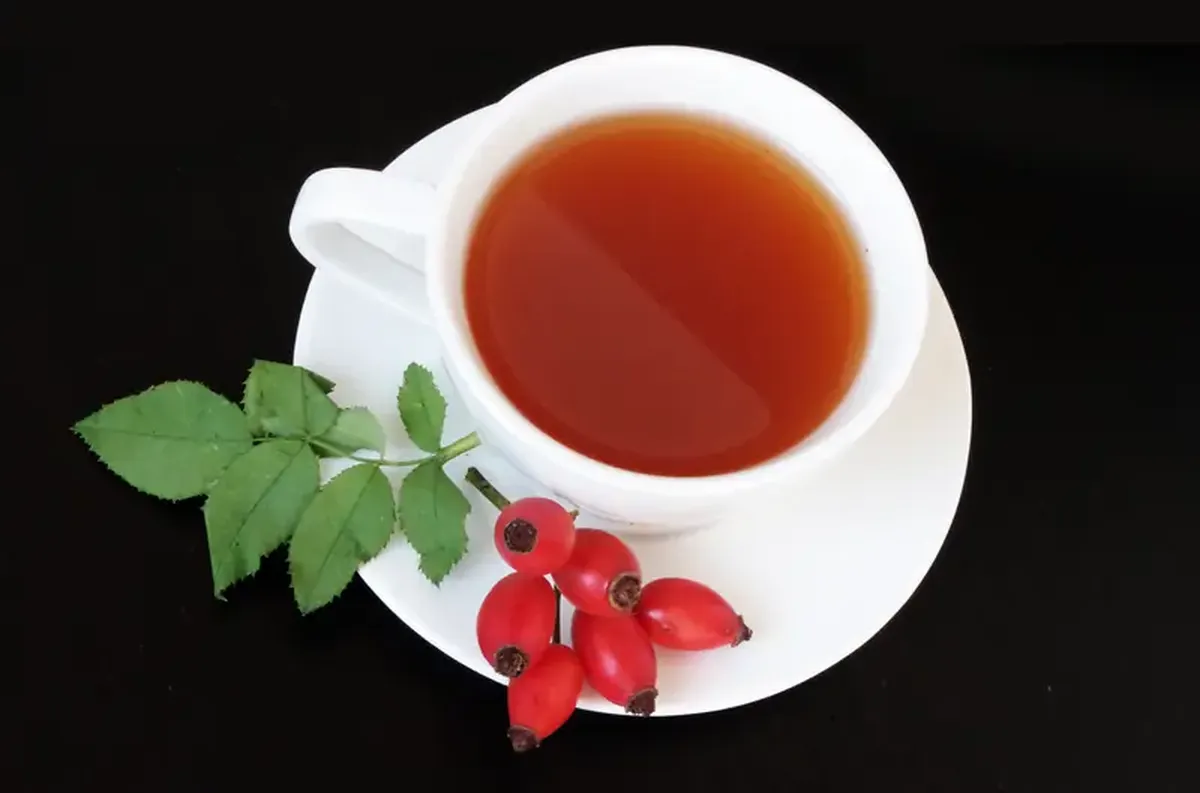
Any Harm? Precautions When Consuming
Regular consumption of rosehip drinks can negatively affect liver function. Try combining tinctures of different medicinal plants to avoid monotony and to provide the body with a broader range of nutrients and trace elements. Excessive rosehip intake can also affect the circulatory system, causing tachycardia and increased blood clotting. People prone to thrombosis should use rose hips with caution.
Another caution: rosehip infusions and decoctions are highly acidic, which can damage tooth enamel. For the same reason, avoid rosehip products if you have gastritis, a peptic ulcer, or a duodenal ulcer.

A Beauty Ally
Modern cosmetology turns to the plant world for ingredients, and natural rosehip oil is considered a lifesaver for dry, depleted, and dehydrated skin. It’s a valuable complement to professional facial and body care because it’s packed with skin-friendly vitamins and essential fatty acids.
Moisturizes
Rosehip oil contains linoleic acid, which supports cell membranes and the skin’s hydrolipid mantle, helping prevent moisture loss. Its lightweight texture leaves skin smooth and silky while providing deep hydration.
Brightens
Rosehip oil is rich in vitamins A and C, which help repair damaged skin cells. That reduces facial dullness and gives the skin a brighter, healthier glow. Vitamins A and C also stimulate collagen production, which is important for skin elasticity and firmness.
Fights Inflammation and Skin Breakouts
Vitamin E in rose hips has anti-inflammatory and antioxidant properties. Rosehip tea can help with colds, while the oil can be applied topically to reduce breakouts. Rosehip oil also soothes irritation and can help with conditions such as psoriasis, eczema, and dermatitis.
Helps Reduce Hyperpigmentation
Many people want to tackle unwanted pigmentation, scars, and fine lines. Rosehip oil can help.
Lycopene and beta-carotene in rose hips have strong skin-brightening properties, which is why they appear in many anti-pigmentation products. These compounds, along with essential fatty acids and antioxidants in the oil, support tissue and skin cell regeneration. It’s no wonder rosehip oil has been used for centuries as a folk remedy for faster wound healing and to reduce scars and fine lines.
So stay healthy and beautiful every spring (and beyond) with rose hips—their vitamin-packed benefits are hard to beat!
