
 Gaby
Gaby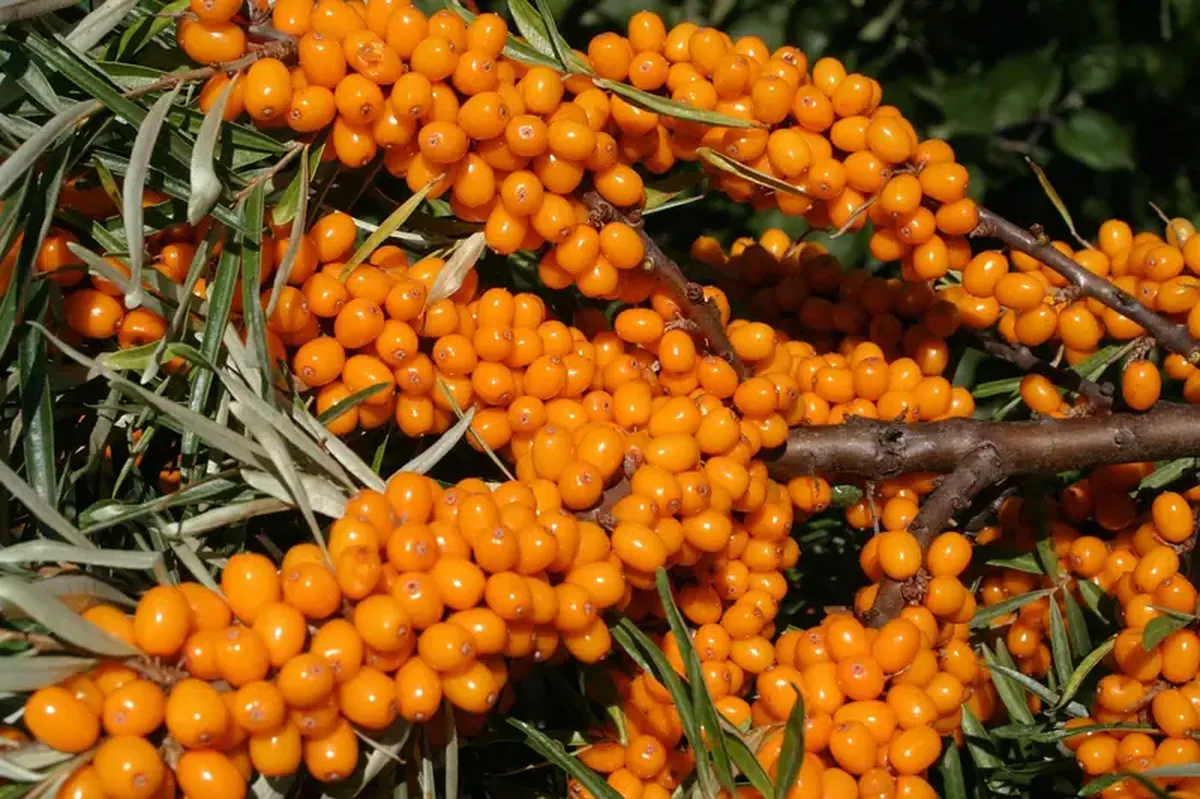
It’s no wonder sea buckthorn is often called “orange gold.” For centuries this bright fruit, which grows on shrubs and trees in the oleaster family, has been used to prevent and treat a range of ailments. Packed with about 190 biologically active compounds, these tart, juicy berries can be eaten fresh or preserved for winter as sugared preserves, jams, juices, and oils. Medicinal tinctures and decoctions can also be made from the bark, leaves, and roots. In this article, we’ll share recipes for vitamin-rich preserves, desserts, sauces, and drinks, and look at sea buckthorn’s benefits, potential downsides, and long history of use.
A Storied Past
Sea buckthorn likely originated in East Asia. In ancient times this local medicinal berry was common in Tibetan and Chinese medicine. Other cultures, including the Mongols and Greeks, used it as a general remedy. Ancient Greek manuscripts record that young shoots were fed to sick and injured horses to speed recovery. Pollen from sea buckthorn has even been found in excavated Scandinavian settlements. It earned the nickname “northern pineapple” because its aroma is similar to pineapple. During the Middle Ages, however, its healing uses were largely forgotten.
By the 19th century, Europeans treated the plant—like its relative the oleaster—as largely useless and often cut it down. A revival of interest in the medicinal uses of sea buckthorn over the past two centuries has spurred active cultivation. Today the shrub grows in Europe, Pakistan, and India. Sea buckthorn is easy to grow and has two key qualities: frost resistance (withstanding temperatures as low as −45°C) and drought resistance (survive prolonged dry spells).
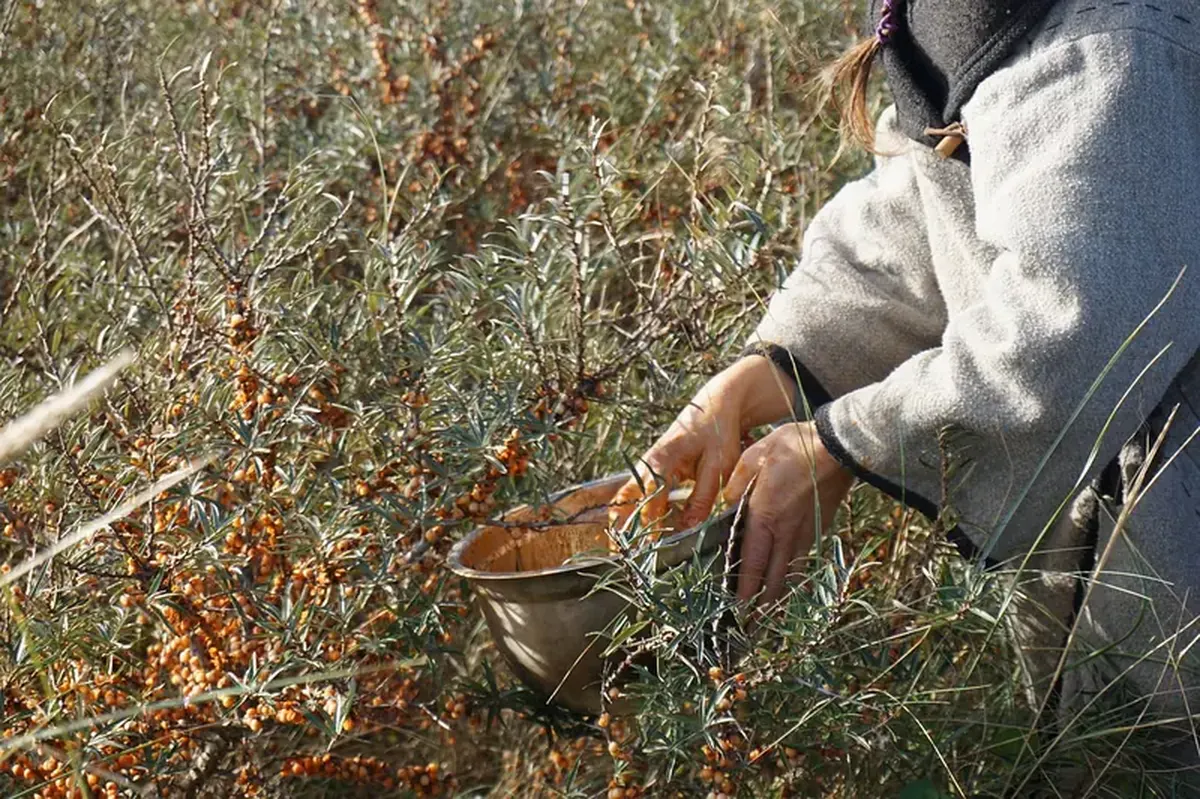
In the wild, sea buckthorn reproduces by seed and vegetatively and thrives in river floodplains, along watercourses, and in mountainous regions (even up to 2,100 meters). It flourishes in sandy and gravelly soils. That adaptability makes sea buckthorn useful for hedges, stabilizing sand, and reinforcing road slopes and ravines. Besides being grown for fruit, it is also used as an ornamental plant. Despite its bright color—which in nature can signal toxicity—birds aren’t fooled: berries that stay on the branches through winter become an important food source. Fieldfares, in particular, favor sea buckthorn.
Benefits of Sea Buckthorn
The berries’ rich orange color comes from their high beta-carotene content. Beta-carotene is a provitamin A that helps protect vision (reducing the risk of cataracts), supports brain function (helping memory and concentration), aids wound healing, and helps shield skin from sun damage. The leaves and bark provide tannins, which can help stop bleeding and reduce inflammation, while the berries are especially high in antioxidants that fight aging. Thanks to its broad vitamin profile, sea buckthorn supports cell regeneration. This vitamin powerhouse contains vitamins E, B1, B2, B3, B6, B9, PP, D, K, H, and an impressive amount of vitamin C—up to about 600 mg per 100 g of berries, several times more than in citrus fruits.
Vitamin C neutralizes free radicals and protects cells from damage. It increases tissue elasticity by stimulating collagen production—the protein that helps keep blood vessels and joints strong and maintains healthy hair and skin. Vitamin C also lowers the risk of atherosclerosis, which can contribute to high blood pressure, and aids iron absorption, which is important in anemia. Sea buckthorn also supplies more than twenty trace minerals (including iron, magnesium, calcium, and sodium), complex carbohydrates like pectin (which help cleanse the gastrointestinal tract), organic acids (which aid digestion), and fatty acids (which can reduce the risk of blood clots).
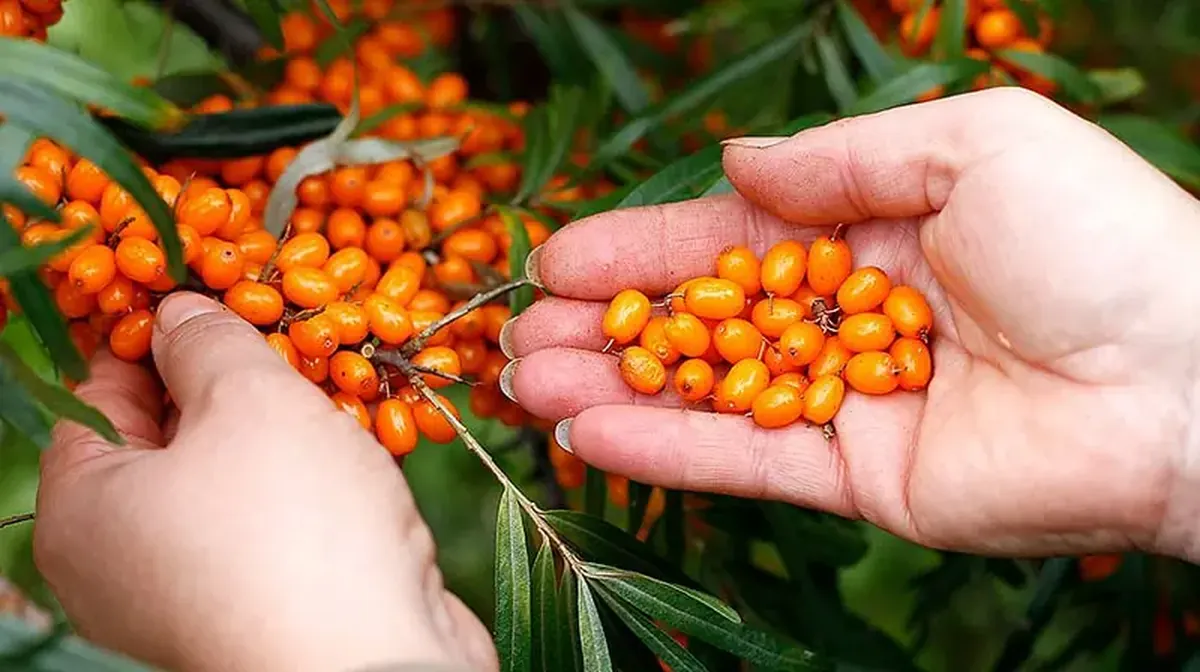
People use sea buckthorn to support the cardiovascular, nervous, urinary, and digestive systems. The potassium and magnesium in the berries strengthen the heart muscle and can help lower blood pressure, while vitamin B6 may reduce anxiety, ease nervous tension, improve mood, and help manage stress. The berry also has antimicrobial and immune‑boosting properties, which makes it a popular remedy for winter colds and viral infections. Sea buckthorn can help soothe vocal cord irritation, sore throats, and tonsillitis. The berries thin mucus and make it easier to expel during coughs and bronchitis. Its healing properties have been applied to seasonal respiratory illnesses, vitamin deficiencies, weakened immunity, asthma, gout, certain eye conditions, radiation effects, and in some complementary approaches to cancer care.
To Eat or Not to Eat?
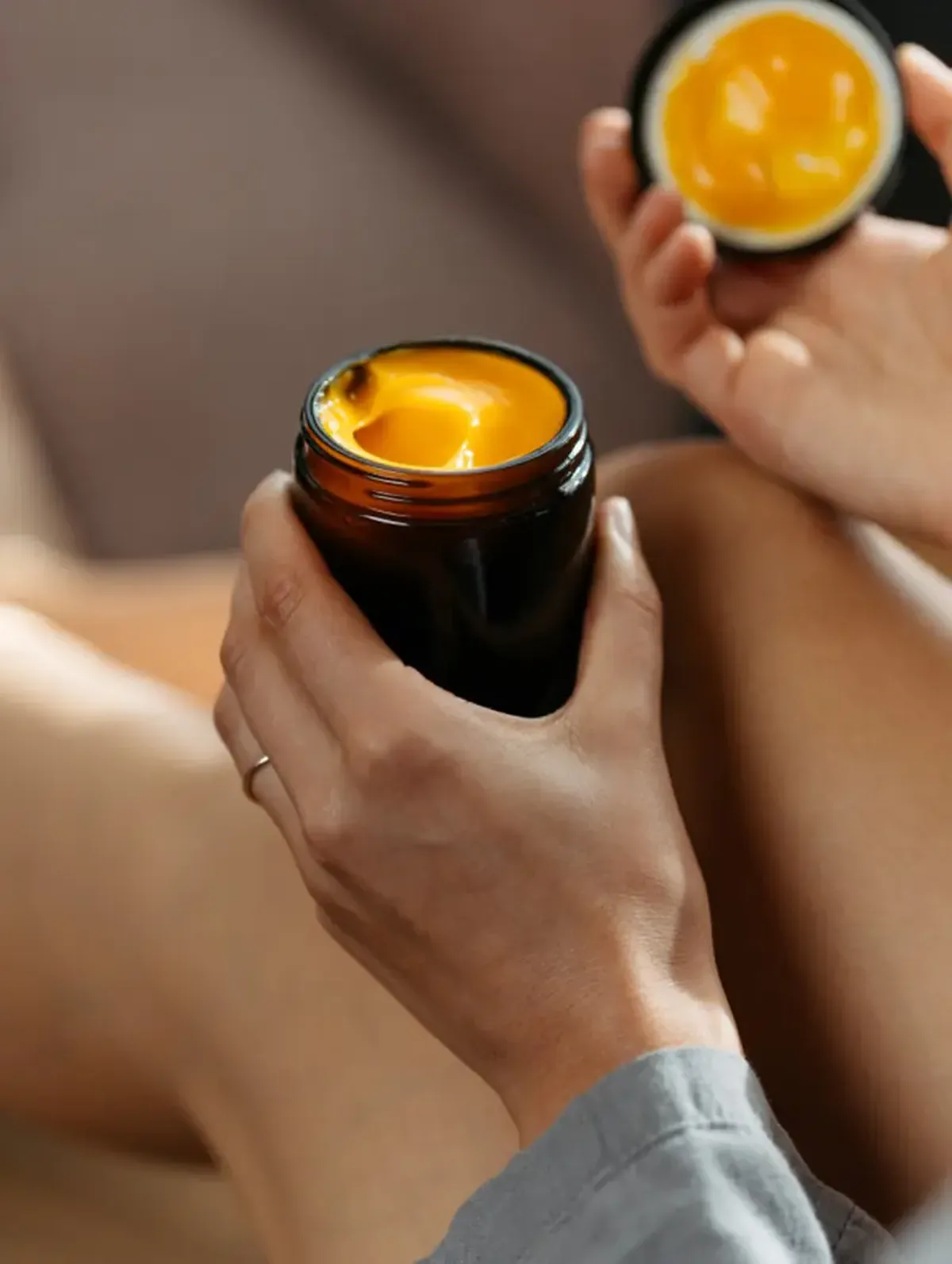
Depending on the condition, sea buckthorn can be taken internally (for issues such as gastritis) or used externally (for arthritis and skin problems like wounds, ulcers, burns, acne, and rashes). Sea buckthorn oil is used in many cosmetics and skincare products, including creams, masks, lip balms, shampoos, and shower gels. When applied topically, sea buckthorn oil moisturizes the skin, soothes irritation, helps treat acne, and can smooth wrinkles. The berries exhibit anti‑inflammatory and bactericidal effects—their wound‑healing action speeds up granulation and epithelialization of damaged tissues.
The berry’s ability to help restore mucous membranes is used in treating gynecological conditions such as endocervicitis and cervical erosion. Sea buckthorn contains phytoestrogens—plant compounds similar to female hormones—that can help regulate hormonal balance during times of change and relieve symptoms of PMS and menopause (for example, headaches, insomnia, mood swings, and hot flashes). Folic acid in sea buckthorn supports fetal development during pregnancy. Breastfeeding mothers should avoid sea buckthorn because of the risk of allergic reactions in infants. Sea buckthorn is not recommended for children under 12 years old.
The berry can interact with medications for cancer, gastrointestinal, cardiovascular, and autoimmune diseases. Contraindications include gallbladder, liver, and pancreas problems; kidney stones; high stomach acidity; acute cholecystitis; sensitivity or intolerance to beta‑carotene; blood disorders; and low blood pressure. Weigh the benefits and risks against these contraindications, and discuss any supplements containing sea buckthorn extract with your doctor.
Vitamin Recipes
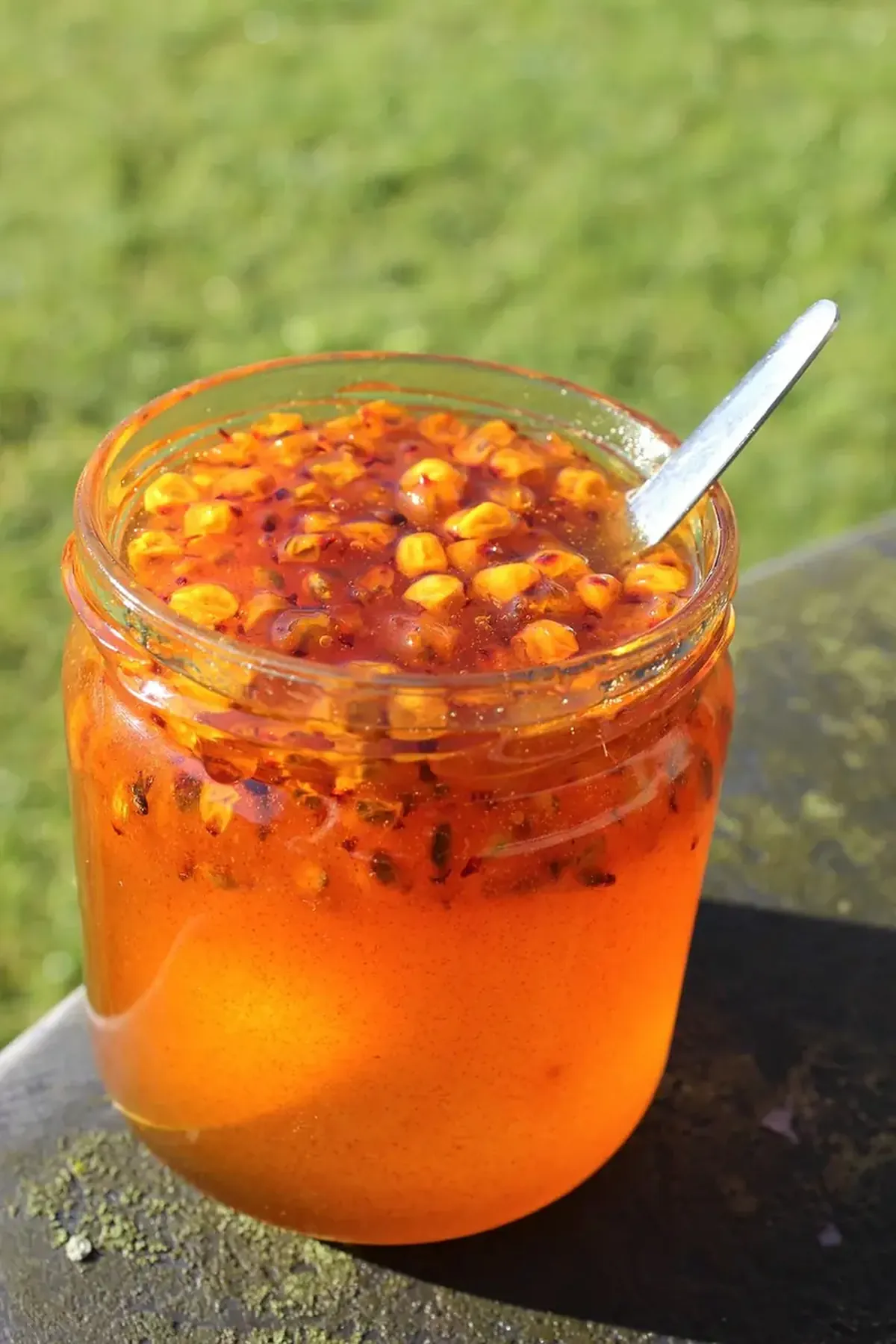
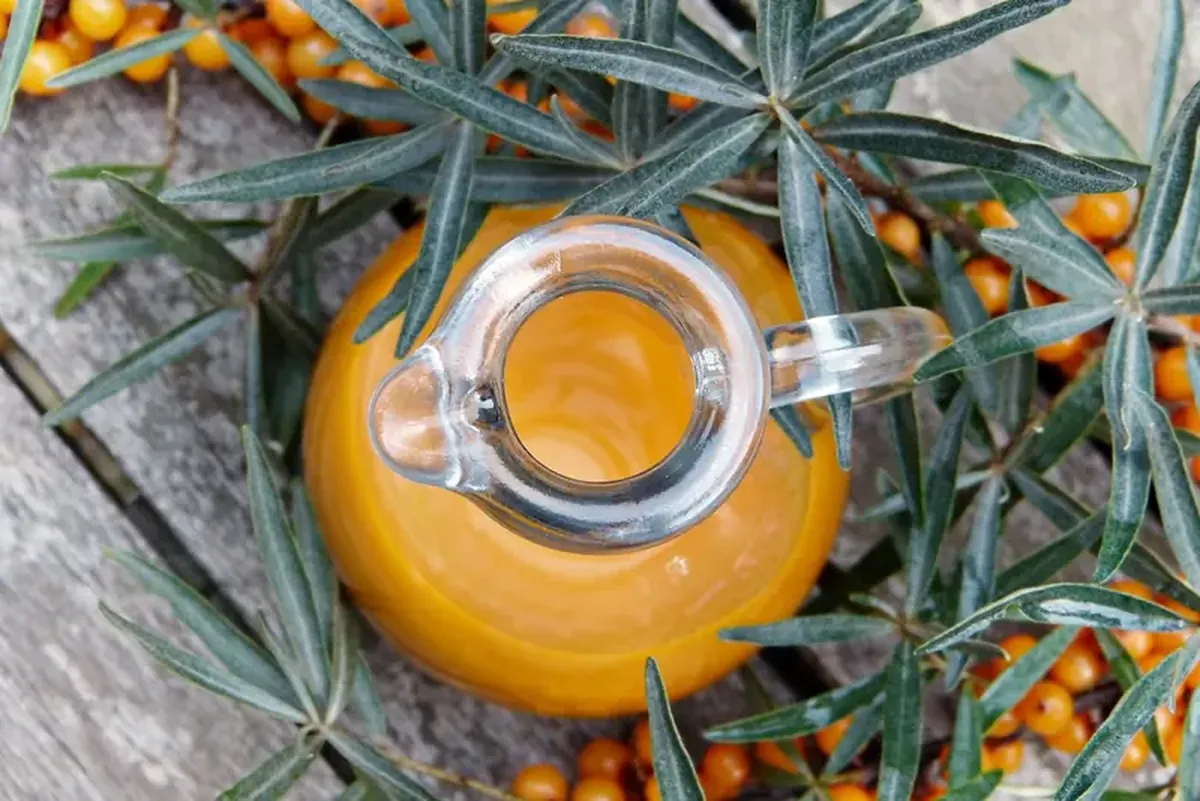
Because the berries are tart, many people prefer to process them before eating. Mash sea buckthorn with sugar, or use fresh fruit to make juice, smoothies, or cocktails with other fruits and berries. Sea buckthorn is also used to make compotes, syrups, wines, liqueurs, and tinctures. You can buy sea buckthorn jam, or make mousse, ice cream, sorbet, jelly, marmalade, fruit pastille, and sauces for meat or desserts (like panna cotta, cheesecake, or pancakes). Add sea buckthorn to marinades for meat and fish. Sea buckthorn oil should not be used for frying, but stir it into sauces and salad dressings. Use fresh or frozen berries for tea, cocktails, juice, and sauces; you can also make sea buckthorn puree with or without sugar.
Sea Buckthorn Sauce for Meat
Restaurant chefs pair sea buckthorn with red wine, mustard, and sautéed onions to make a bright, tart sauce for meat dishes.
Ingredients (for 3 servings): 150 ml water; 70 g sea buckthorn; 1 onion; 25 g brown sugar; 3 tablespoons red wine; 2 tablespoons mustard seeds; 1 tablespoon butter; a pinch of salt.
Finely chop the onion and sauté it in the melted butter until translucent. Pour in the wine and simmer in a deep skillet until the alcohol evaporates.
Add the sea buckthorn and sugar, stir, and simmer over low heat until the sugar dissolves. Add the mustard, season with salt, and pour in the water. Bring to a boil and blend until smooth using a blender. Serve the sauce warm.
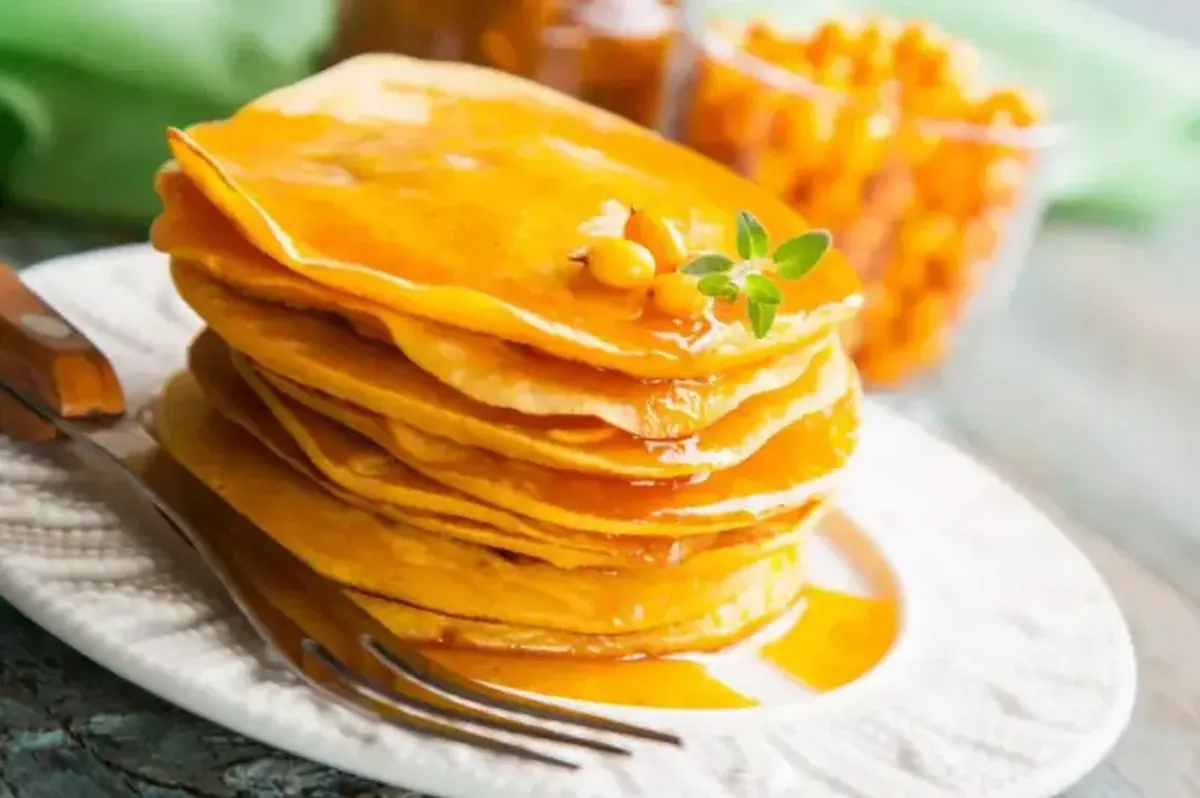
Sea Buckthorn Sauce for Pancakes
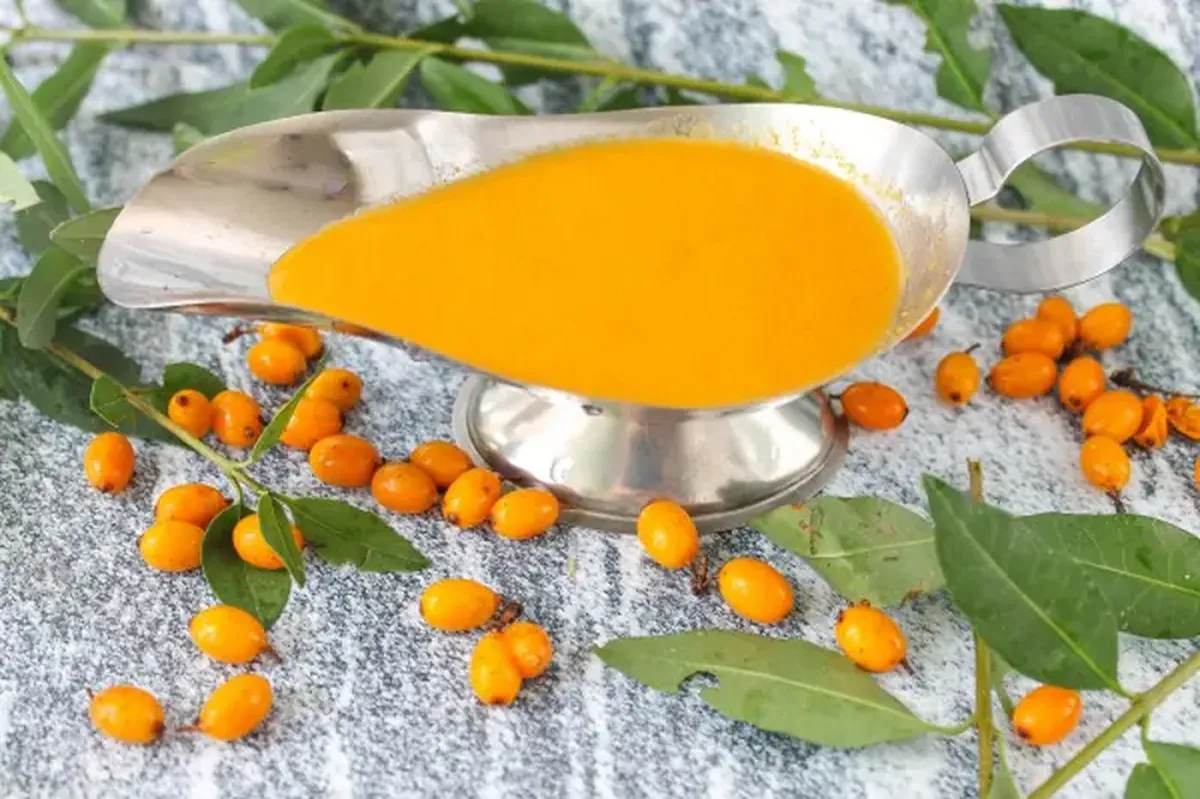
This sweet‑and‑sour sauce, with a hint of ginger and citrus, is perfect for pancakes, fritters, cheese pancakes, and porridge.
Ingredients (for 5 servings): 300 g sea buckthorn; 2 oranges; 1 lemon; a piece of fresh ginger (3 cm); 2 tablespoons sugar; 1 tablespoon maple syrup; 1 cup water.
Grate the peeled ginger and the orange zest, avoiding the white pith.
Place the sea buckthorn in a saucepan over medium heat. Add the grated ginger, orange zest, maple syrup, and a little water. Cover and bring to a boil. Reduce the heat and cook for 5 minutes.
Pass the berries through a sieve over an empty pot to collect the juice. Squeeze in the lemon juice and add the sugar. Warm over low heat, stirring, until the sugar dissolves. If the sauce gets too thick, dilute it with a little water.
Serve the finished sauce immediately or store it in the refrigerator for up to three days.
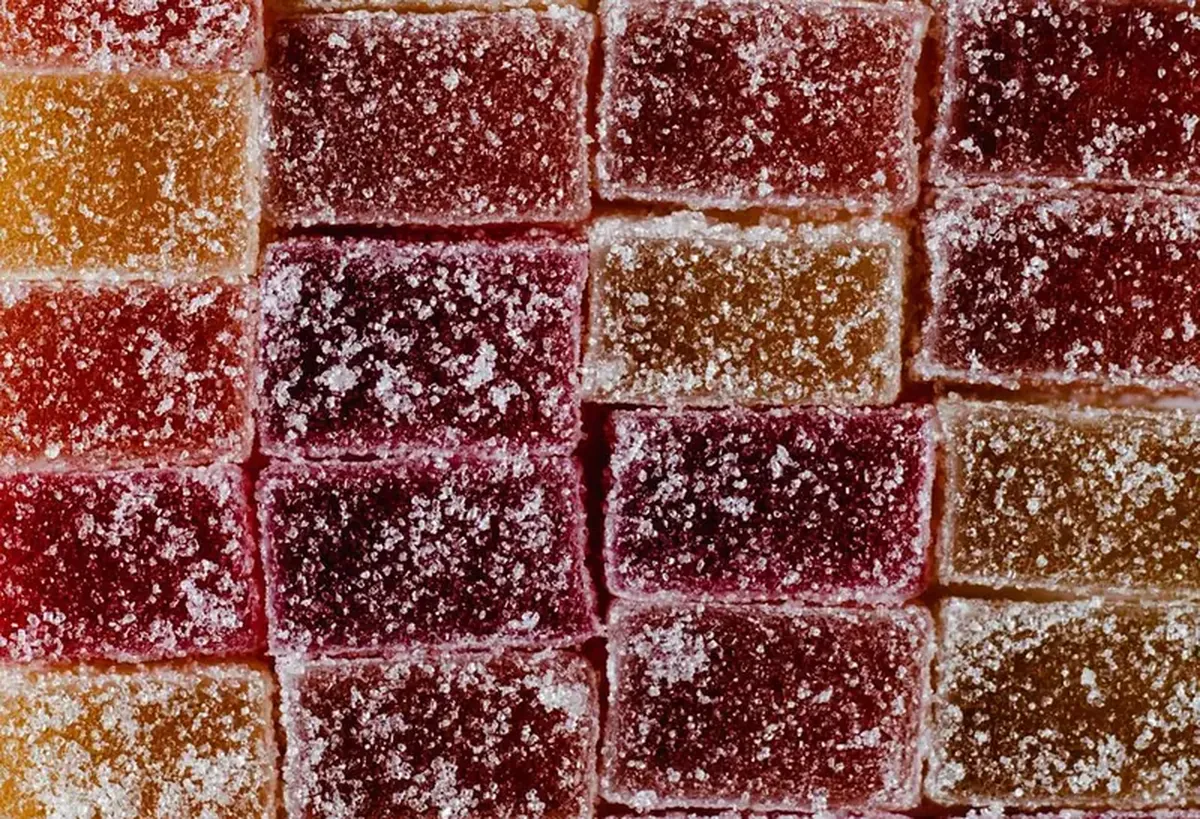
Sea Buckthorn and Pomegranate Marmalade
Fruit‑berry pastilles made from puree are a lighter sweet treat that even people watching their weight can enjoy.
Ingredients (for 2 servings): 250 ml sea buckthorn juice; 250 ml pomegranate juice; 250 g sugar; 20 g agar‑agar; 5 g cinnamon.
Pour the pomegranate juice over the agar‑agar, stir, and let sit for 30 minutes.
Make a syrup from the sea buckthorn juice: heat it, add the sugar, and cook while stirring until it begins to thicken. When the sea buckthorn syrup starts to thicken, add the cinnamon and pour in the pomegranate juice with the hydrated agar‑agar. Stir, bring to a boil, and cook for 5 minutes.
Let the mixture rest for 10 minutes, then pour it into molds. Cool at room temperature and refrigerate until set.
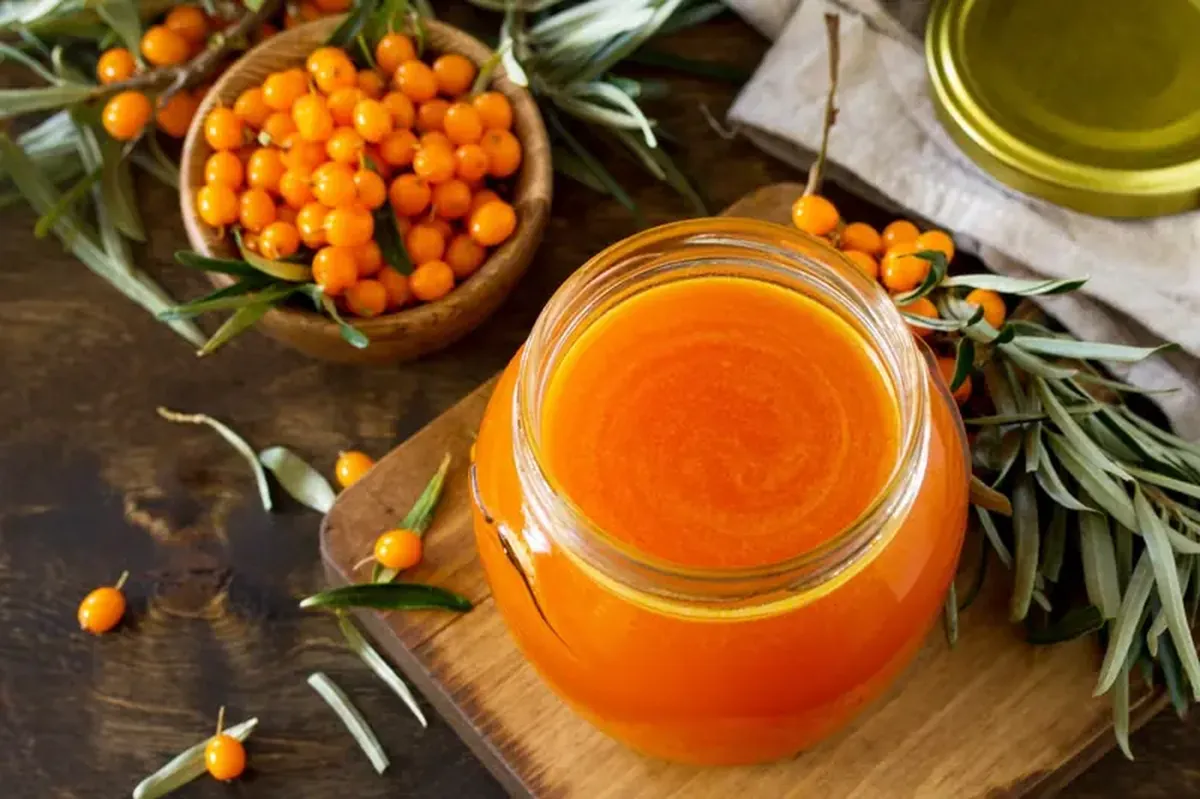
Sea Buckthorn with Sugar (No Cooking)
In late winter the body is especially vulnerable to seasonal infections. To fight colds, prepare sea buckthorn mixed with sugar.
Sort the berries, put the firmest ones in a large bowl, and cover them with cold water. Rinse the sea buckthorn twice, changing the water each time.
Spread the berries in a single layer on a paper towel and cover them with another paper towel. Dry the sea buckthorn for 10 minutes.
Transfer the sea buckthorn to a bowl and mix it with sugar in a 1:1 ratio. Stir and puree in batches using an immersion blender or meat grinder.
Let the resulting puree sit at room temperature for 2 hours, stirring occasionally, then refrigerate for 8 hours.
Sterilize jars and boil the lids. Remove the sea buckthorn with sugar from the refrigerator, stir again, fill the jars with the puree, and seal with lids.
Tea with Sea Buckthorn
The classic version combines black tea, berries, and honey.
Ingredients (for one serving): 50 g sea buckthorn; 200 ml water; 1 tablespoon tea; 2 tablespoons honey.
Mash the sea buckthorn and dilute it slightly with warm water. Add the mixture to brewed black tea. Sweeten with honey. To preserve the beneficial properties, do not add the berries or the honey to boiling water; let the tea cool slightly first.
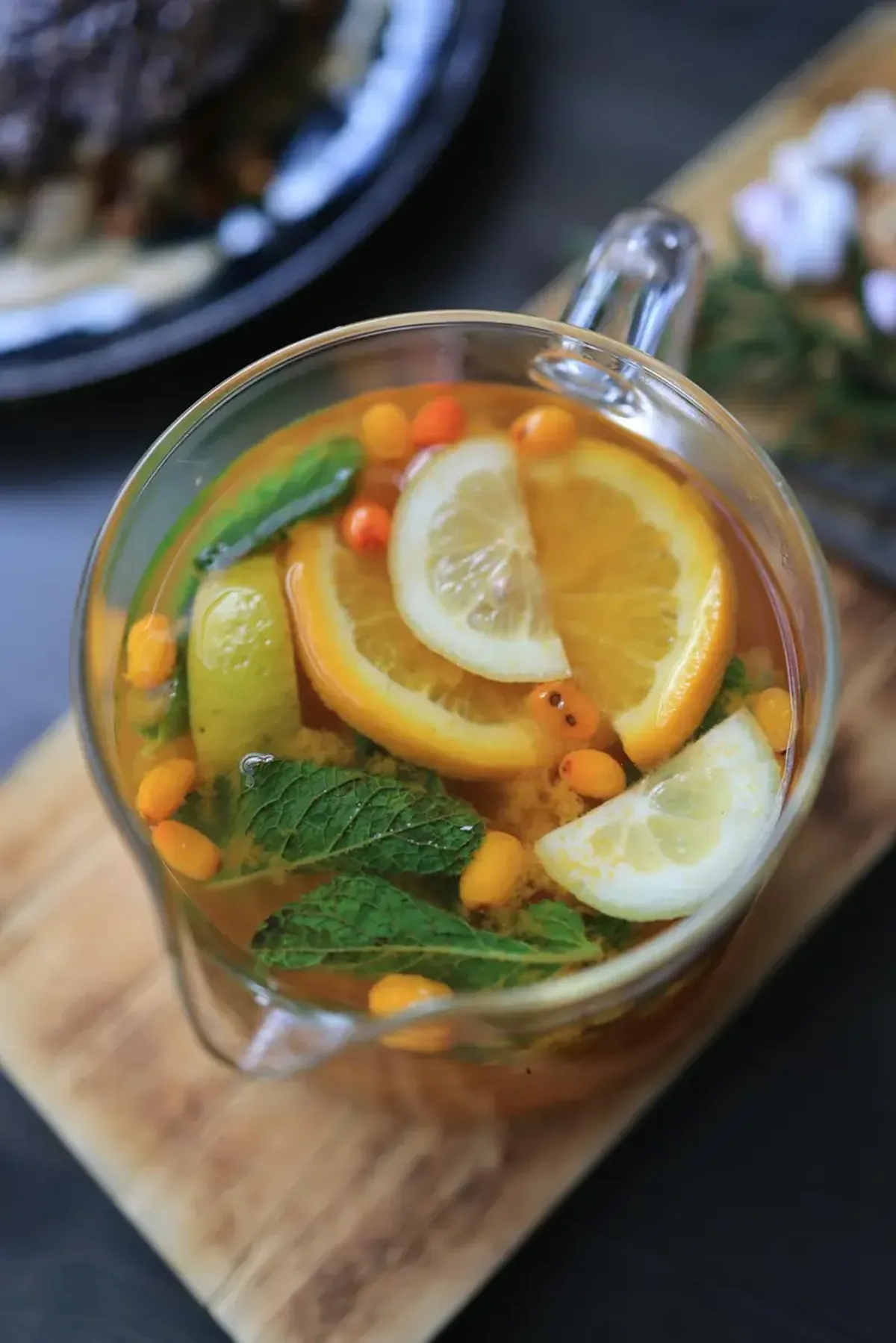
Spiced Sea Buckthorn Tea
This version mixes berries with orange, lemon, black tea, honey, and spices.
Ingredients: 1 liter water; 250 g sea buckthorn; 1 orange; 15 g tea; 3 cloves; 1 cinnamon stick; 1 sprig of mint; honey to taste.
Place the prepared berries in the water and bring to a boil. Add the sliced orange (including the washed zest). After boiling again, add the tea and spices.
Steep for 5 minutes, then sweeten with honey once the drink has cooled slightly. Do not add honey to boiling water.
Sea Buckthorn Infusion with Ginger and Honey
This aromatic infusion contains no tea leaves and highlights ginger, cinnamon, and star anise.
Ingredients: 100 g sea buckthorn; 1 cinnamon stick; 2 star anise; a piece of ginger root (3 cm); honey to taste.
Grate the peeled ginger, mash the washed sea buckthorn into a puree, and place them in a jug or teapot with the cinnamon and star anise. Pour in hot water and steep for 5 minutes. Add honey before serving. Garnish with a few whole sea buckthorn berries if desired.
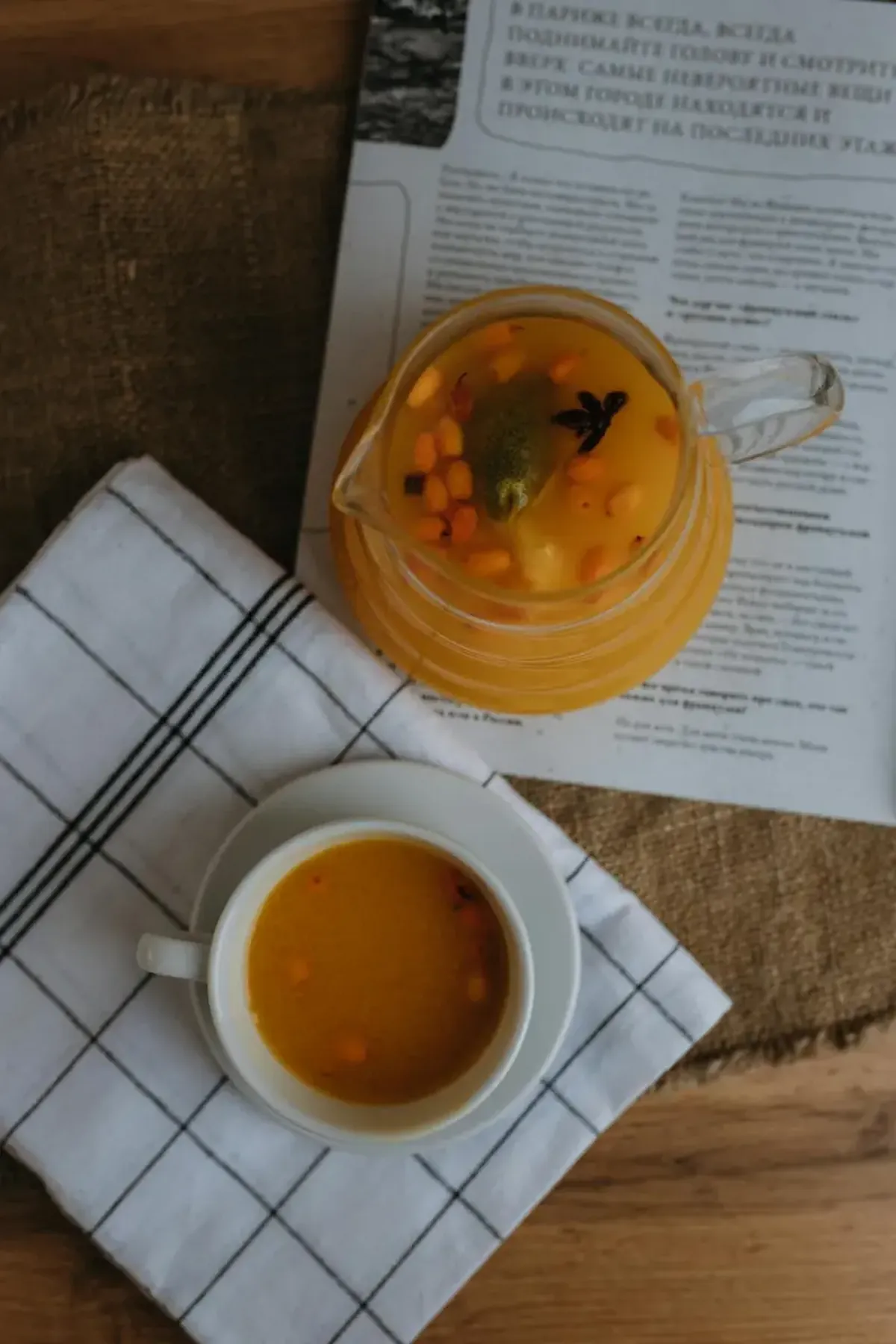
During the season when vitamins are scarce, sea buckthorn can support the body when immunity is low. If you don’t have contraindications, enjoy a warming, invigorating tea made with this healing berry, and stay healthy!
