
 Gaby
Gaby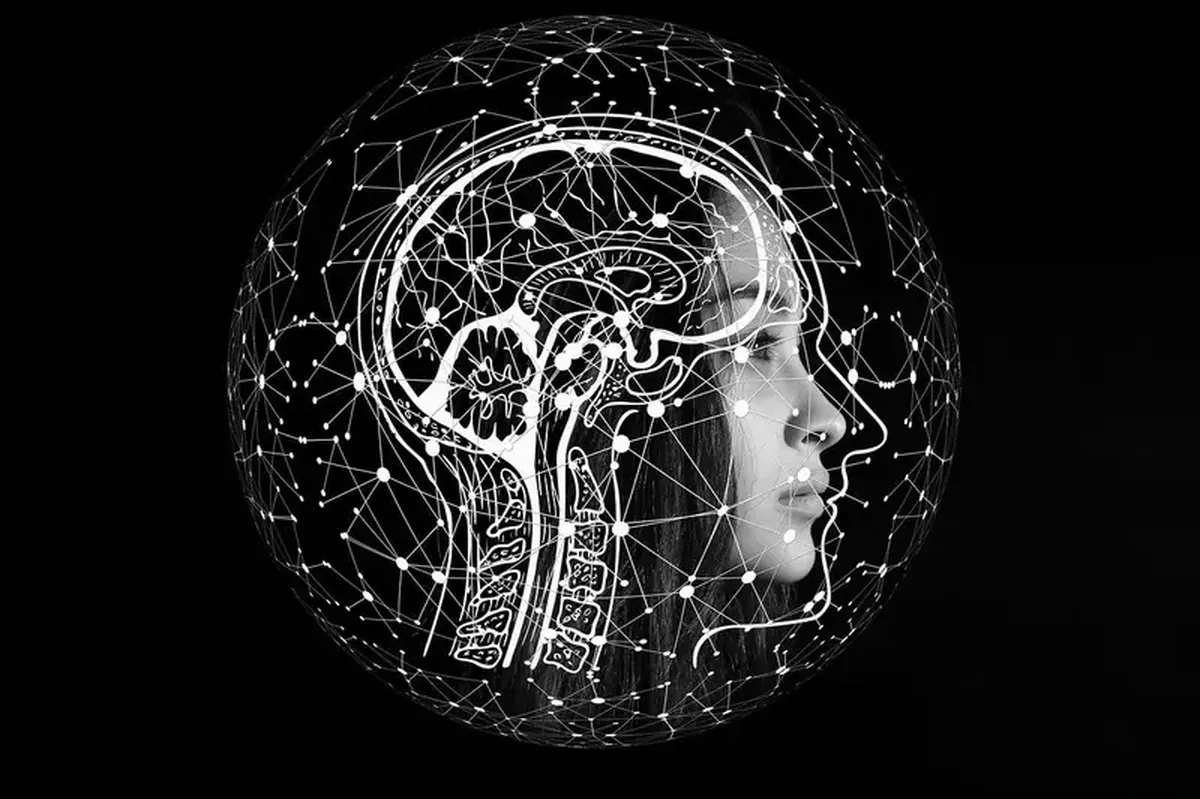
A TikTok video featuring neurologist Emily MacDonald has gone viral, racking up over 10 million views as she shares tips for protecting brain health. MacDonald highlights three firm no’s — avoiding morning phone conversations, negative thinking, and processed foods — that can help keep the brain healthy into old age.
Her advice is echoed by neurobiologists James Shepherd and Talia Lerner, who find her suggestions sound. But there are several other scientifically supported ways to preserve brain health.
Good Sleep = Healthy Brain
Shepherd says the single best thing for brain health is quality sleep: uninterrupted rest lasting about 6–8 hours each night. A solid night’s sleep supports memory formation, helps process new information, and fuels creative thinking.
Quality sleep also helps remove toxic protein build-ups called amyloid plaques, which are linked to Alzheimer’s disease. Sufficient rest boosts the brain’s ability to process new experiences and adapt to change. That neuroplasticity helps preserve cognitive functions that tend to decline with age.
Exercise is Beneficial for the Brain
As we know, regular physical activity improves blood flow to the brain. Exercise is one of the most effective ways to support healthy brain function.
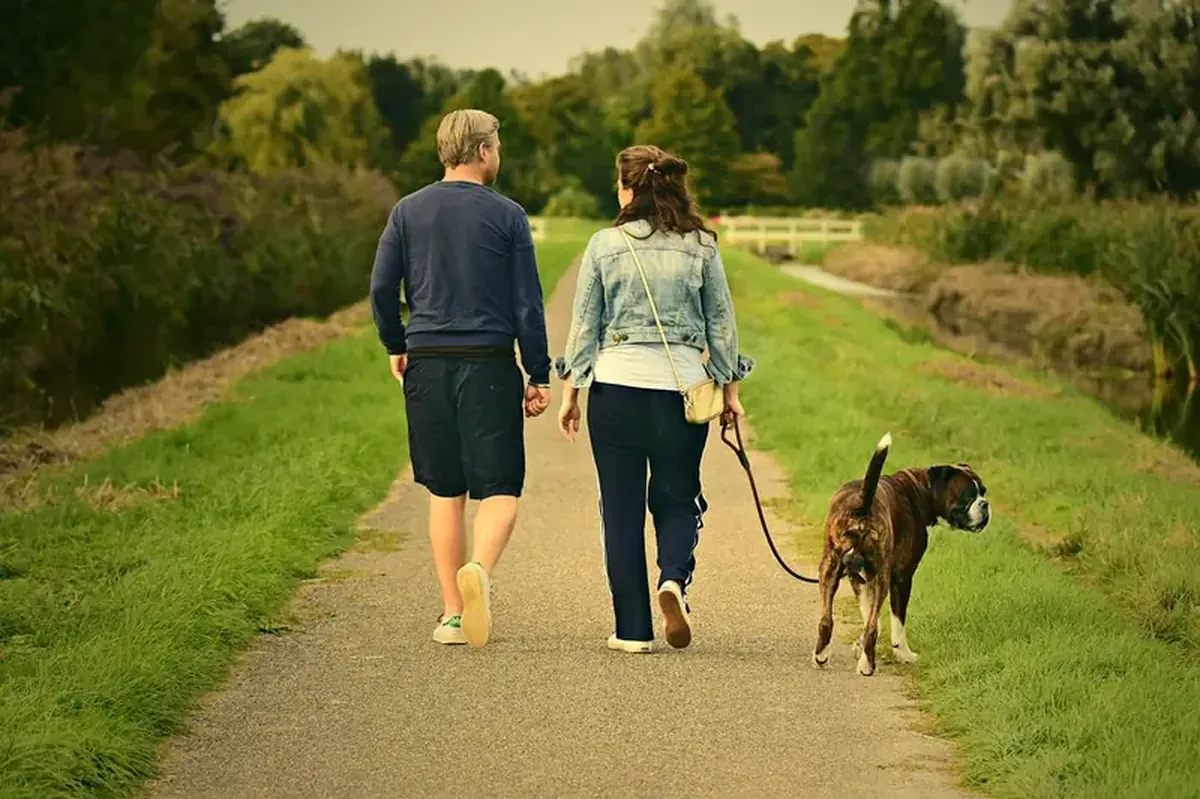 Many researchers agree that exercise can help protect against Alzheimer’s disease. Good physical fitness also slows the decline of cognitive abilities as people get older.
Experts recommend about 150 minutes of moderate exercise per week. Shepherd points out that any movement is better than none: he walks his dogs once or twice a day for several kilometers and plays rugby on weekends.
Social Connections are Good for Brain Health
Research shows that loneliness harms both mental well-being and brain health. Lerner says it’s crucial to maintain social connections as we age rather than withdraw.
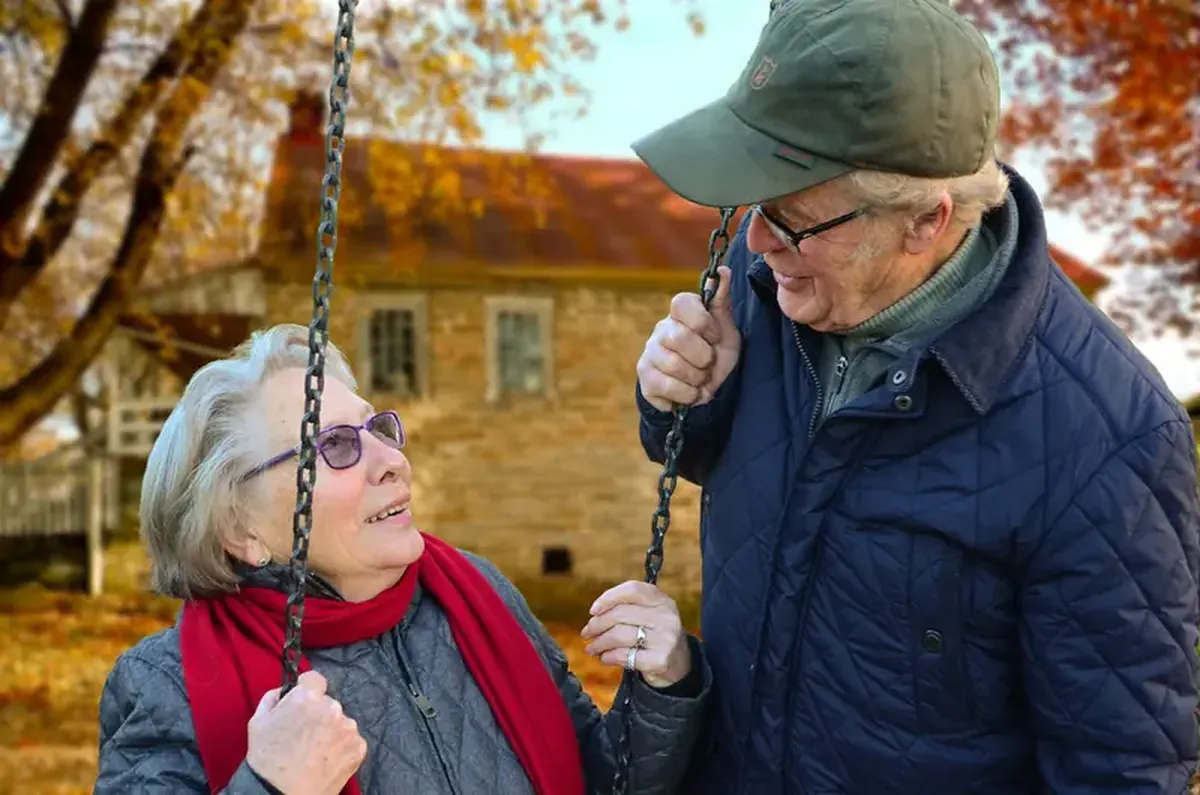 Studies show that older adults who engage more frequently with others and spend time with friends and family tend to live longer than their lonely peers. That’s linked to lower rates of depression and anxiety, and social ties help people cope better with life’s challenges.
When children live far away, older adults can still stay connected. In conversations with journalists from ScienceAlert, Lerner notes that modern technology makes long-distance communication easier and can reduce feelings of isolation.
She also recommends volunteering to boost social connections. Studies have found that charity work improves people’s health, and working with others can help you find like-minded companions.
Exploring New Things is Good for the Brain
Meeting new people and visiting new places keeps the mind sharp and resilient. Shepherd says new impressions from travel and exposure to different cultures help him apply this idea in his own life; hobbies like photography and classical music give him fresh experiences.
 However, this doesn’t require expensive travel or pricey hobbies. The brain gets a big boost from tackling a challenging puzzle or stepping into a new social situation where you must adapt to different people.
Shepherd warns that many people fall into a routine and do the same thing every day. Any new experience, even a small one, promotes neuroplasticity and helps maintain brain activity as we age.
A Healthy, Balanced Diet is Also Important for Brain Health
MacDonald points out that eating processed foods contributes to cognitive decline and raises the risk of dementia as we age. Numerous studies link processed foods — like frozen dinners and French fries — to worse overall health.
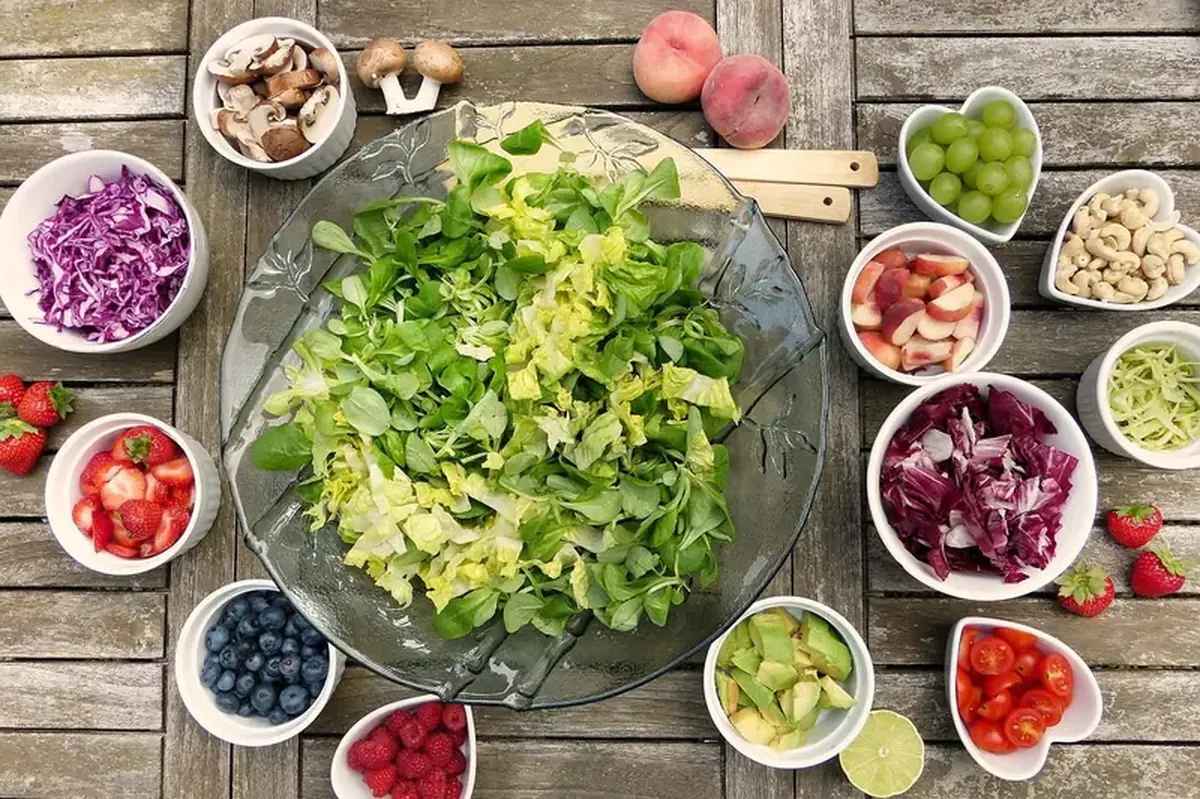 Processed foods contribute to diabetes, high blood pressure, and elevated cholesterol. All of these conditions affect multiple organs and harm overall health, including brain health. For example, high blood pressure increases the risk of stroke.
That’s why, for the health of both body and brain, limit processed foods. Aim for a balanced diet rich in vegetables and fruits, whole grains, and lean meats. These foods benefit both the body and the brain — after all, the brain isn’t separate from the rest of the body.
