
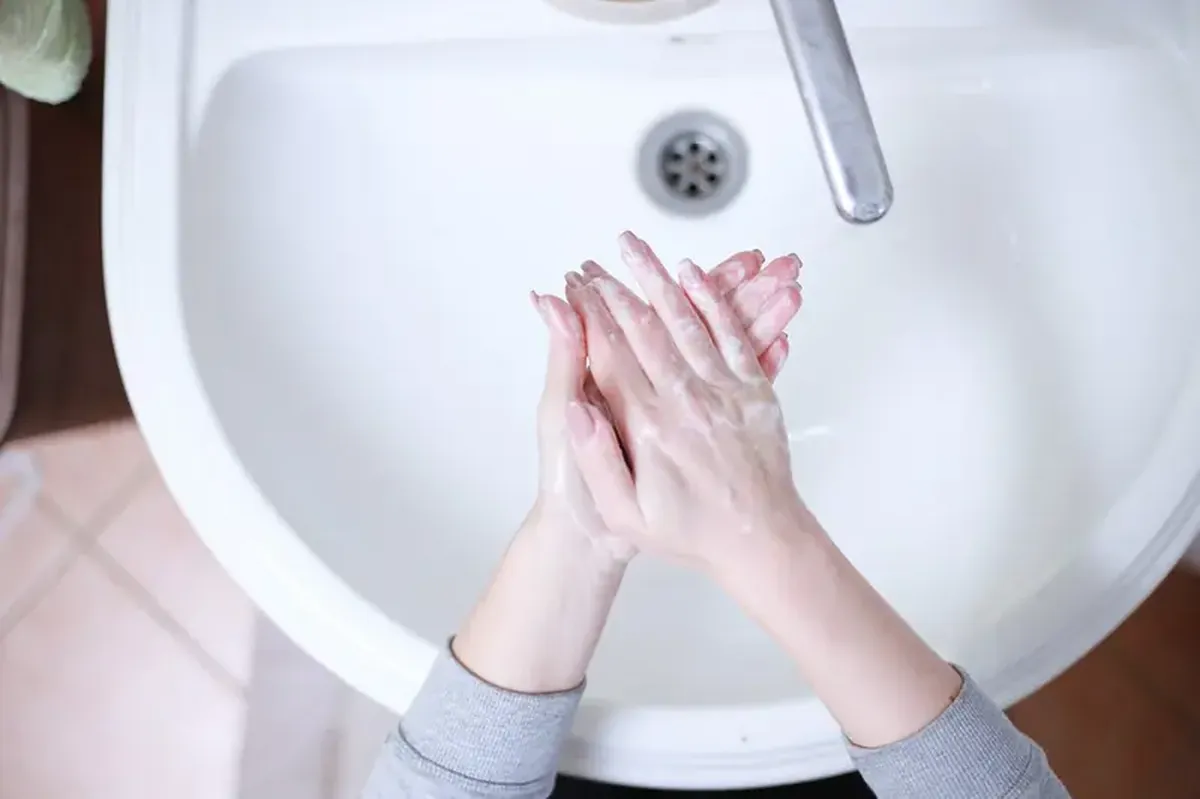
A team of experts from the Australian Food Safety Council found that nearly one in five adults don’t wash their hands after using the restroom. Even more concerning, almost half of survey participants admitted they don’t always wash their hands before eating.
It may seem odd to remind adults that neglecting basic hygiene can lead to serious illness. Yet the study’s authors said such a reminder was necessary.
Dr. Christine Carson, a senior research fellow at the University of Western Australia, noted in an article about the study for The Conversation: “You might not get sick yourself, but you contribute to the spread of bacteria.” She added that this behavior “can increase the risk of infection and illness for others, particularly those with weakened immune systems.”
What Did the Researchers Discover?
The survey included 1,229 people aged 18 and older who were asked about their handwashing habits. Nearly one-fifth of respondents — 19 percent — said they don’t wash their hands after using the restroom.
Lydia Buhtmann, CEO of the Australian Food Safety Council, pointed out that last year this figure was 17 percent. The share of people who don’t wash their hands before meals has risen from 34 percent last year to 42 percent now.
Buhtmann also noted that during the COVID-19 pandemic there was a slight improvement in handwashing, “but now Australians seem to be reverting to old habits.”
The results showed differences in handwashing habits by gender and age, according to the Daily Mail.
Men washed their hands less often than women: 80 percent of men compared with 83 percent of women after using the restroom, and 55 percent of men versus 62 percent of women before touching food.
The survey also found that younger people wash their hands significantly less often than older generations. Only 69 percent of participants under 34 reported always washing their hands after using the restroom, compared with 86 percent of those aged 65 and older.
Dr. Carson reminded readers that feces contain millions of microbes. People who use the restroom and touch surfaces there inevitably pick up those microbes. “People who neglect to wash their hands carry these microbes with them and leave them on every surface they touch afterward.”
The survey did not explore the reasons people fail to wash their hands. Dr. Carson said those reasons vary depending on lifestyle and circumstances.
According to her, authors of another study asked schoolchildren in India why they didn’t wash their hands. Ninety-one percent reported a low “perception of the threat of illness” — in other words, they didn’t recognize the risk of getting sick if they didn’t wash their hands after using the restroom, the researcher said.
One of the biggest barriers to handwashing was not being able to see microbes with the naked eye; 46 percent of children cited that reason. Meanwhile, 72 percent said they would wash their hands if their friends did.
Ultimately, the researchers issued a call to the public: “Always wash and dry your hands before handling, preparing, and consuming food; after contact with raw meat, fish, seafood, eggs, or poultry; after using the restroom; caring for children (or others) and changing diapers; after sneezing; after contact with pets or cleaning cat litter boxes; and after working in the garden.”
