
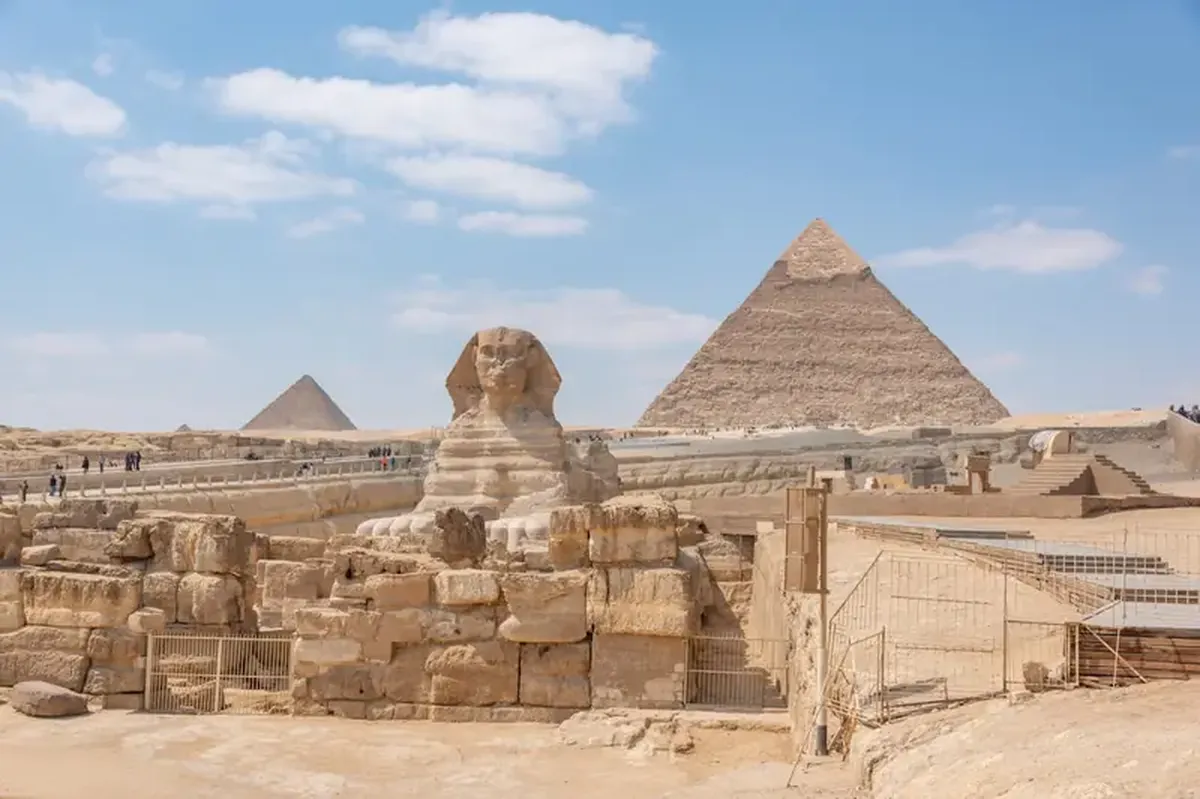
For decades, archaeologists have been exploring the necropolis of Tel el-Deir, located near the border with Lebanon. Recently, however, researchers stumbled upon unknown tombs and untouched treasures.
In 2019, archaeologists discovered seven gold coins dating from 284 to 641 AD in the necropolis of the late period of ancient Egypt, along with a statue inscribed with the name of Pharaoh Psamtik II from the 26th Dynasty. They also found miniature canopic jars — vessels that held organs removed during mummification.
Now, the team has reported an astonishing discovery made in 2022: a massive burial complex dating to 644–525 BC. Archaeologists describe it as a true time capsule, with tombs full of evidence of both secular and religious life from that era, alongside everyday items and works of art. The site contains remains of both ordinary people and wealthy individuals, the Independent reported. The tombs of commoners are built from clay bricks, while those of the affluent are constructed from limestone.
What Exactly Did the Researchers Find?
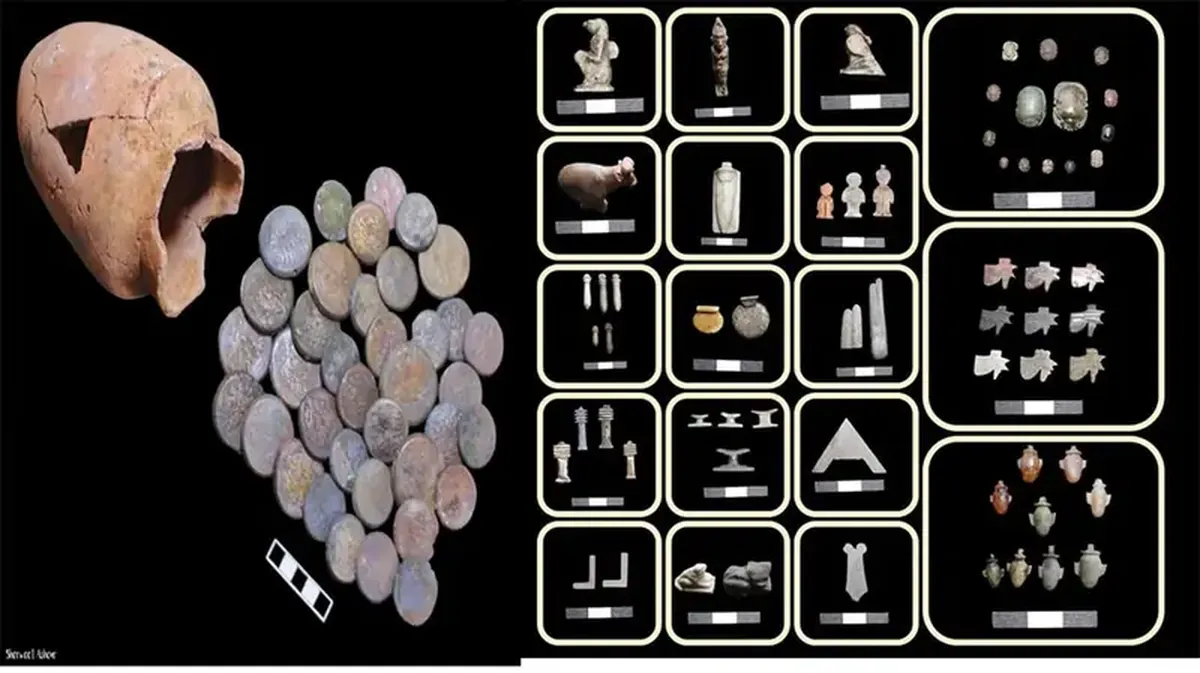
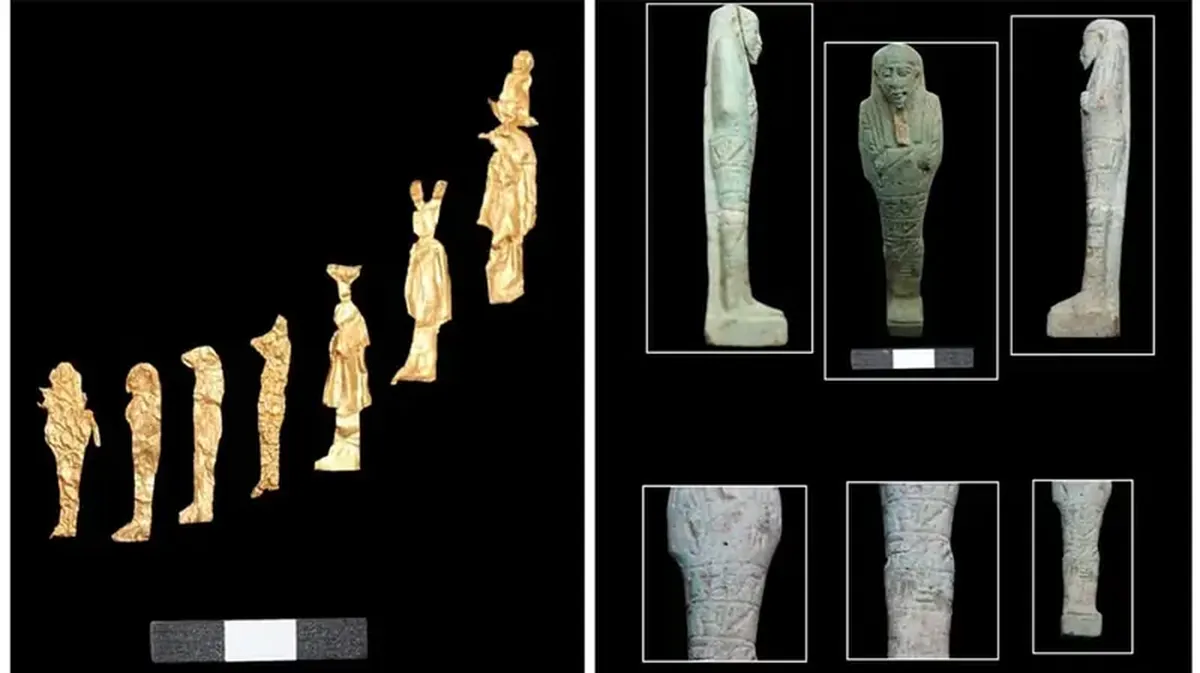
Unlike most ancient Egyptian necropolises, which have been plundered by grave robbers over the years, Tel el-Deir has preserved untouched objects such as bronze coins, religious symbols, and statuettes of deities like Isis, Bastet, and Horus that are covered with gold leaf.
Intact artifacts — ceramic vessels containing remnants of food and drink used in burial rituals, amulets, and scarabs — shed new light on the customs and rituals of the ancient Egyptians. Mohamed Ismail Khaled, head of the Supreme Council of Antiquities in Egypt, said these finds illuminate everyday and religious life in the area.
During the excavations, archaeologists also uncovered a ceramic jug holding 38 bronze coins from the Ptolemaic dynasty. That dynasty ruled from 305 to 30 BC, centuries after the necropolis was established, so the find will require further study.
Overall, the artifacts show the ancient Egyptians’ craftsmanship and their access to materials through long-distance trade.
Archaeologists say the results of years of excavation suggest that Dumyat was an important trading center for a significant period in ancient Egyptian history.
