
 Gaby
Gaby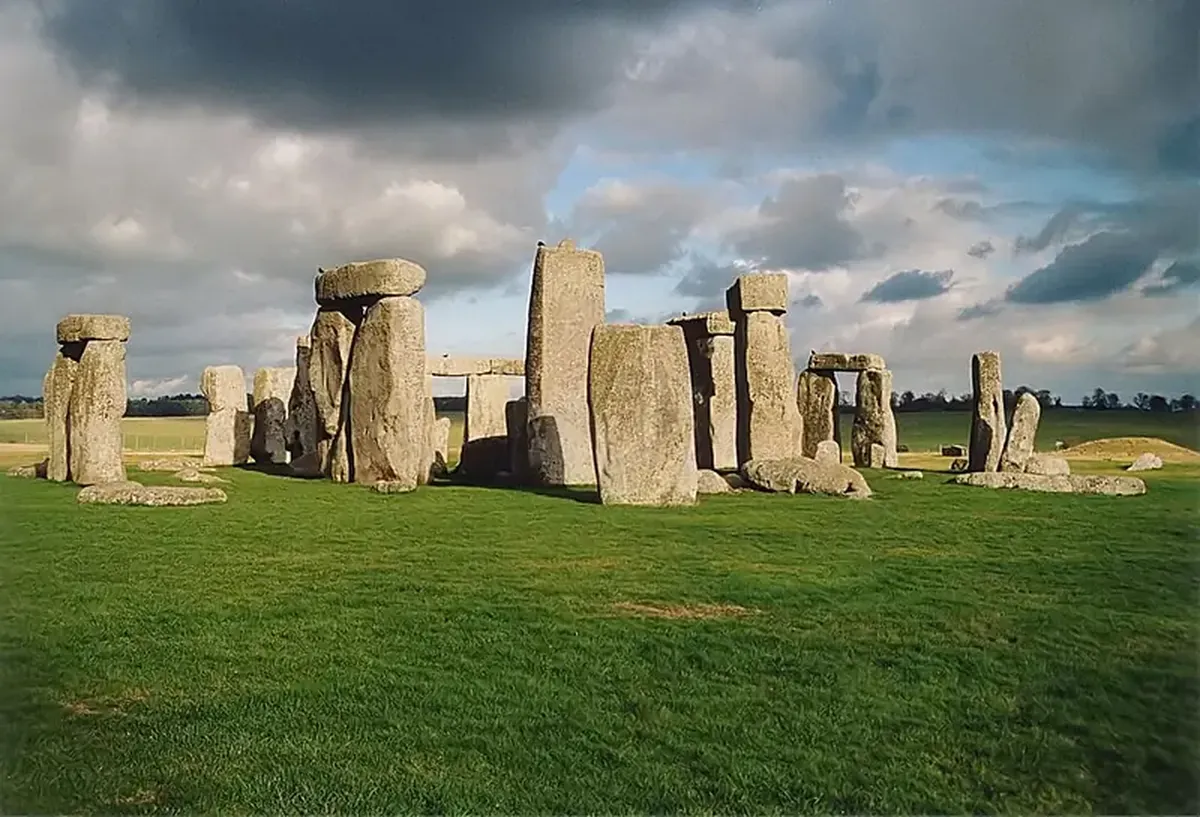
A new study finds the altar stone of the monument—a central bluestone weighing six tons—probably traveled more than 700 kilometers.
For more than a century archaeologists have known that Stonehenge’s bluestones came to Salisbury Plain in southern England from Wales, a journey of roughly 200 kilometers.
What Did Researchers Discover?
The study, which included researchers from Curtin University and the University of Adelaide in Australia, plus Aberystwyth University and University College London in the U.K., set out to analyze the altar stone’s chemical composition and pinpoint its origin.
The analysis produced a surprising result: the altar stone appears to have been transported from northeast Scotland — a journey of more than 700 kilometers.
The finding suggests the megalith reached southern England about 5,000 years ago, possibly from the Inverness area or even the Orkney Islands. “This not only changes what we knew about Stonehenge, it changes what we knew about the late Neolithic,” said Rob Ixer, an honorary senior research fellow at University College London who took part in the study.
“This completely rewrites the relationships between Neolithic populations across all of the British Isles,” he told The Guardian.
What Else Is Known About the Discovery?
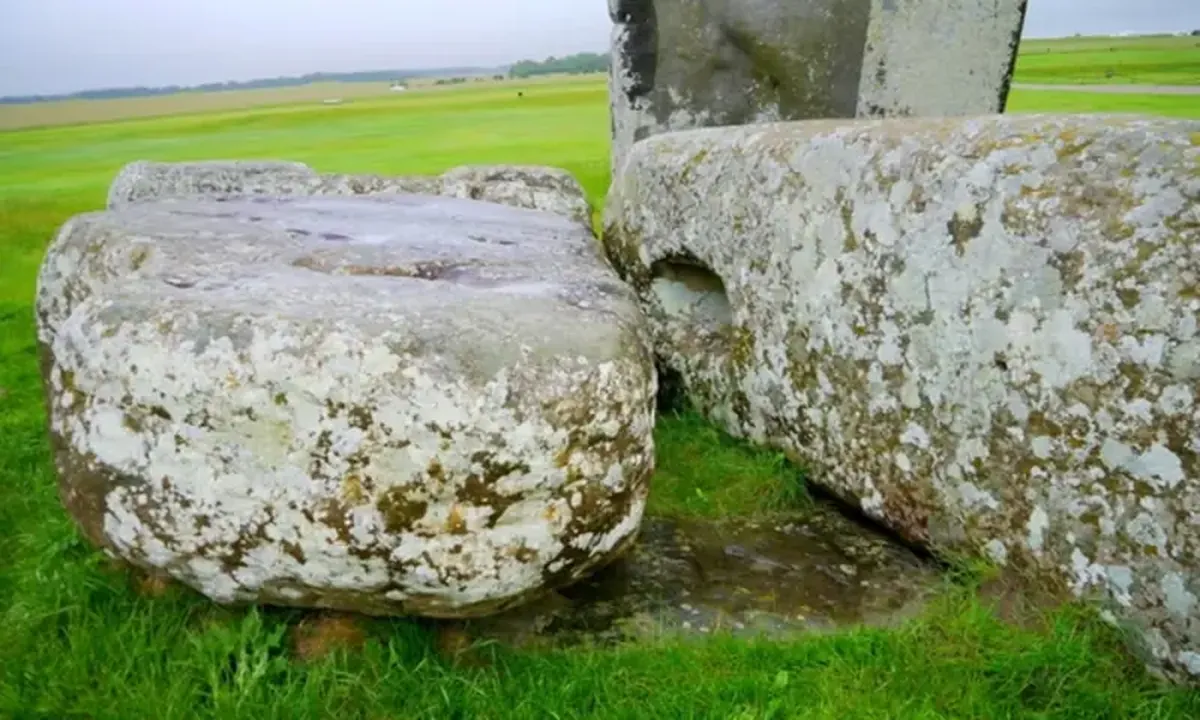
The altar stone is a sandstone block measuring five meters long and one meter wide. It sits at the center of Stonehenge, wedged beneath two other fallen stones. Experts classify the altar megalith as a non-local bluestone. For many years it was assumed to have been brought from Wales, like the other bluestones quarried in the Preseli Hills.
But in recent years researchers have increasingly questioned the altar stone’s Welsh origin.
Nick Pearce, a professor of geography and earth sciences at Aberystwyth University, said he and his colleagues analyzed the stone’s chemistry and the ages of its minerals, producing a characteristic “age fingerprint” for the sandstone.
“This age fingerprint can be matched to rock types across Great Britain,” Pearce explained. The team found the altar stone originates in the Orkney Basin of northeast Scotland — a surprise. Pearce said the chance it came from elsewhere is “a fraction of a percent.”
The Mysteries of Logistics
Given this new origin, the most puzzling question is how people moved such a large stone so far.
“Given the serious land obstacles on the route from northeast Scotland to the Salisbury Plain, maritime transport is one of the likely options,” said lead author Anthony Clark.
But archaeologist and author Mike Pitts, who wrote the book “How to Build Stonehenge,” disagrees. He argues the altar stone was more likely dragged overland than shipped by sea.
“If you put the stone in a boat going out to sea, there’s a significant risk of losing it,” Pitts said. Instead, he said, a land journey — which could have taken many years — would have relied on people hauling it, and the stone “would become increasingly valuable as it moved south.” While that may seem impossible today, an overland journey is plausible given Neolithic technologies.
Pitts called the research “fascinating and very significant.” “It has long been known that the bluestones come from Wales, but this discovery reveals connections to a completely different part of Britain, much farther from Stonehenge,” he said.
The results of the study were published in the journal Nature.
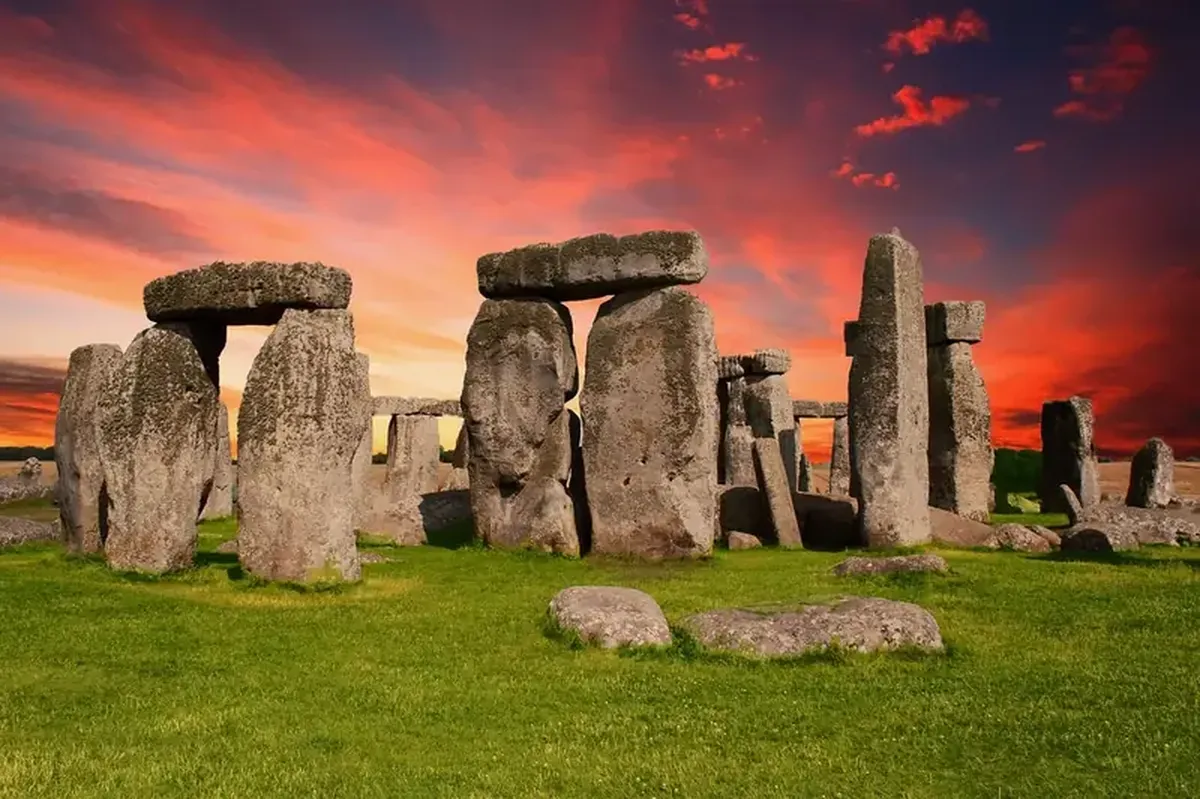
Stonehenge is a stone megalithic monument in Wiltshire, roughly 130 kilometers from London. The monument was built in several stages between 3000 and 1520 B.C. The foundation of Stonehenge consisted of 80 five-ton megaliths, of which 43 remain. Thirty stone blocks, weighing 25 tons and standing more than 4 meters tall, were topped with 3.2-meter-long lintels. In the center stood five so-called trilithons—massive P-shaped structures weighing around 50 tons. The stacked stone blocks formed arches that served as markers of the cardinal directions. The true purpose of the structure remains unknown. Scientists have suggested it could have been an ancient calendar, a burial site, or a ritual space. Today, Stonehenge remains a marvel of engineering and a celebrated piece of British history.
