
 Gaby
Gaby
Researchers at the University of Vienna made a surprising discovery. Using micro-CT scanning, radiocarbon dating, and genetic analysis, they examined a skull long thought to belong to Arsinoe IV — Cleopatra’s sister. It turned out the identification was wrong.
How It All Began
In 1929, during excavations at the ancient Greek city of Ephesus in modern-day Turkey, archaeologist Joseph Keil’s team discovered something extraordinary. In the once-grand Octagon mausoleum they found a sarcophagus filled with water—and inside lay a skull of unknown origin.
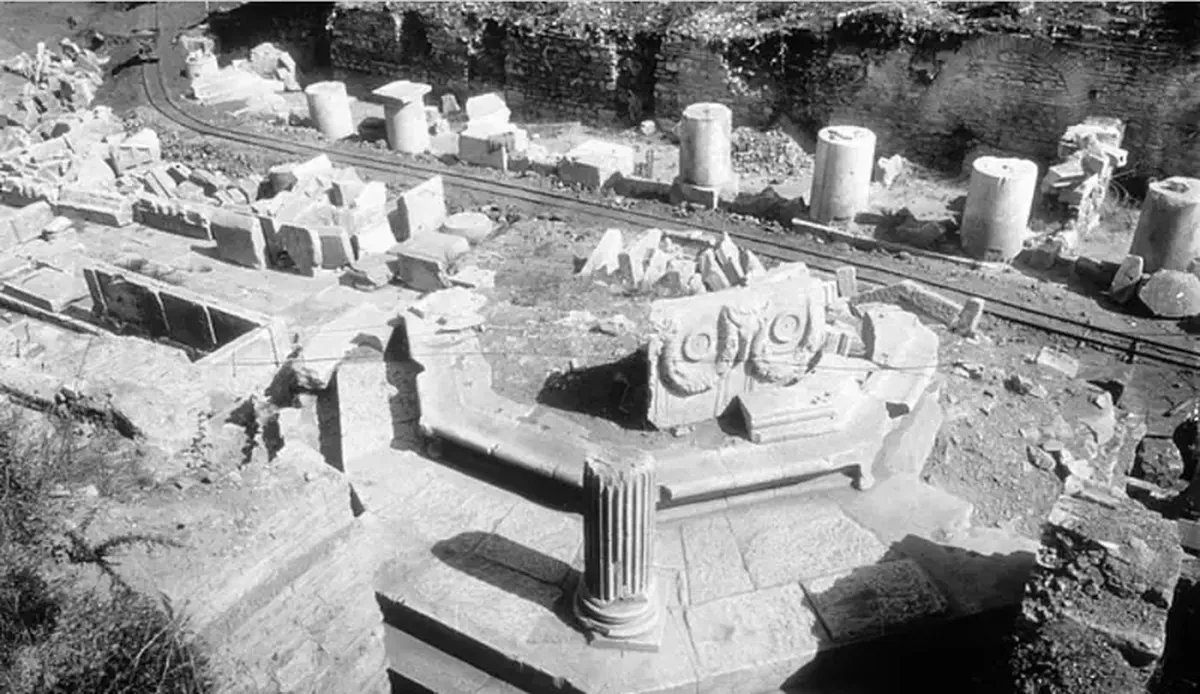
The Octagon, built at the end of the 1st century BC, was a monumental eight-sided mausoleum made of white marble, standing 13 meters tall.
Keil examined the skull and concluded that it belonged to “a very distinguished person,” likely a 20-year-old woman. In 1982 researchers found the rest of the skeleton.
Scientists who studied the remains for decades agreed that they belonged to Arsinoe IV of the Ptolemaic dynasty — the half-sister of Cleopatra, one of ancient Egypt’s most famous queens.
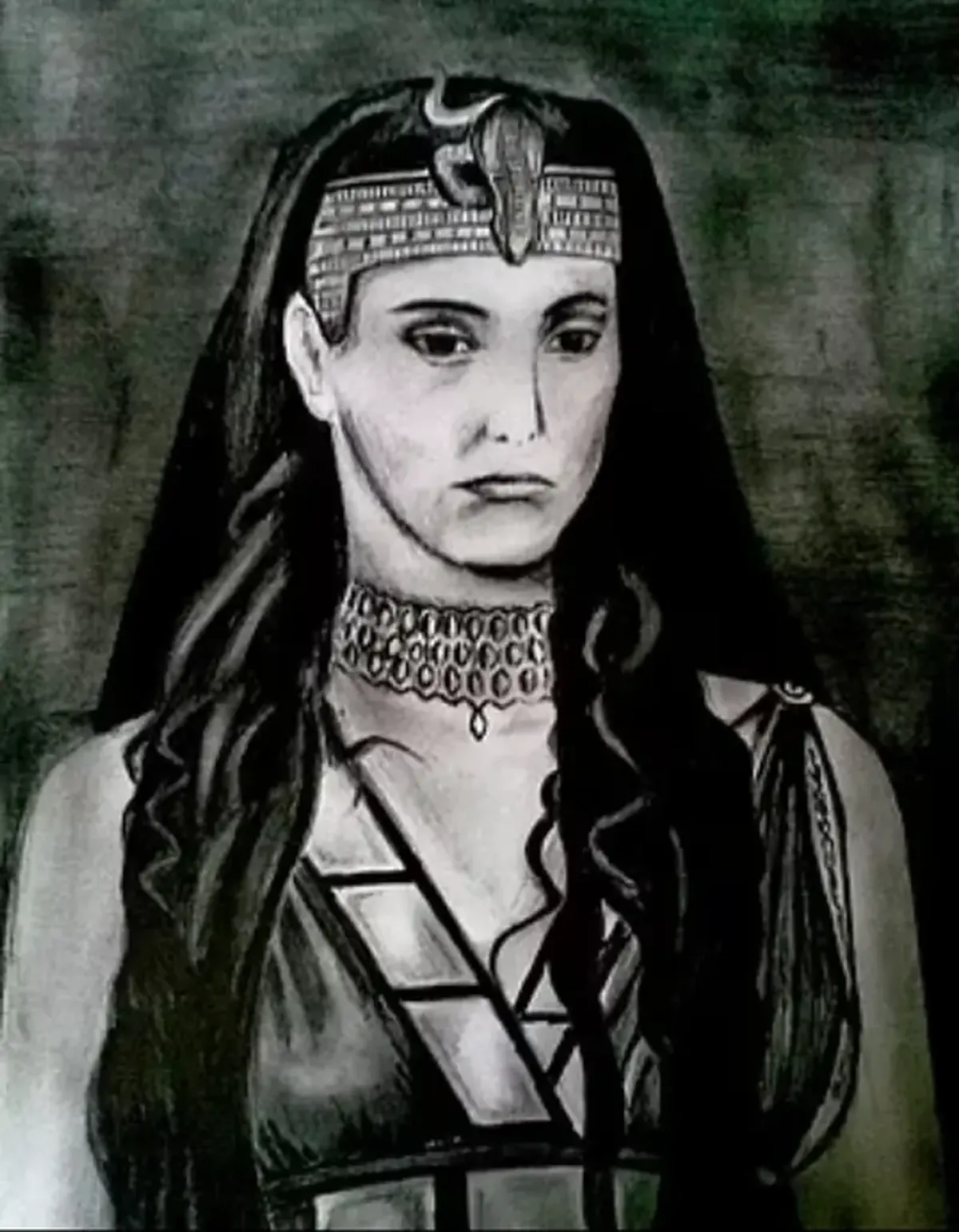
Arsinoe IV
New Technologies Lead to a Shocking Revelation
Now a team of Austrian scientists led by Gerhard Weber says the skull and skeleton belonged to a different person: a boy aged between 11 and 14 who died between 205 and 36 BC.
Researchers still don’t know the boy’s identity. Genetic analysis indicates he came from Italy or Sardinia, the Daily Mail reports.
Researchers say the boy suffered from developmental disorders. His upper jaw was underdeveloped, which may have made chewing difficult. One cranial suture—a joint that usually doesn’t fuse until around age 65—had already closed, producing an asymmetrical skull.
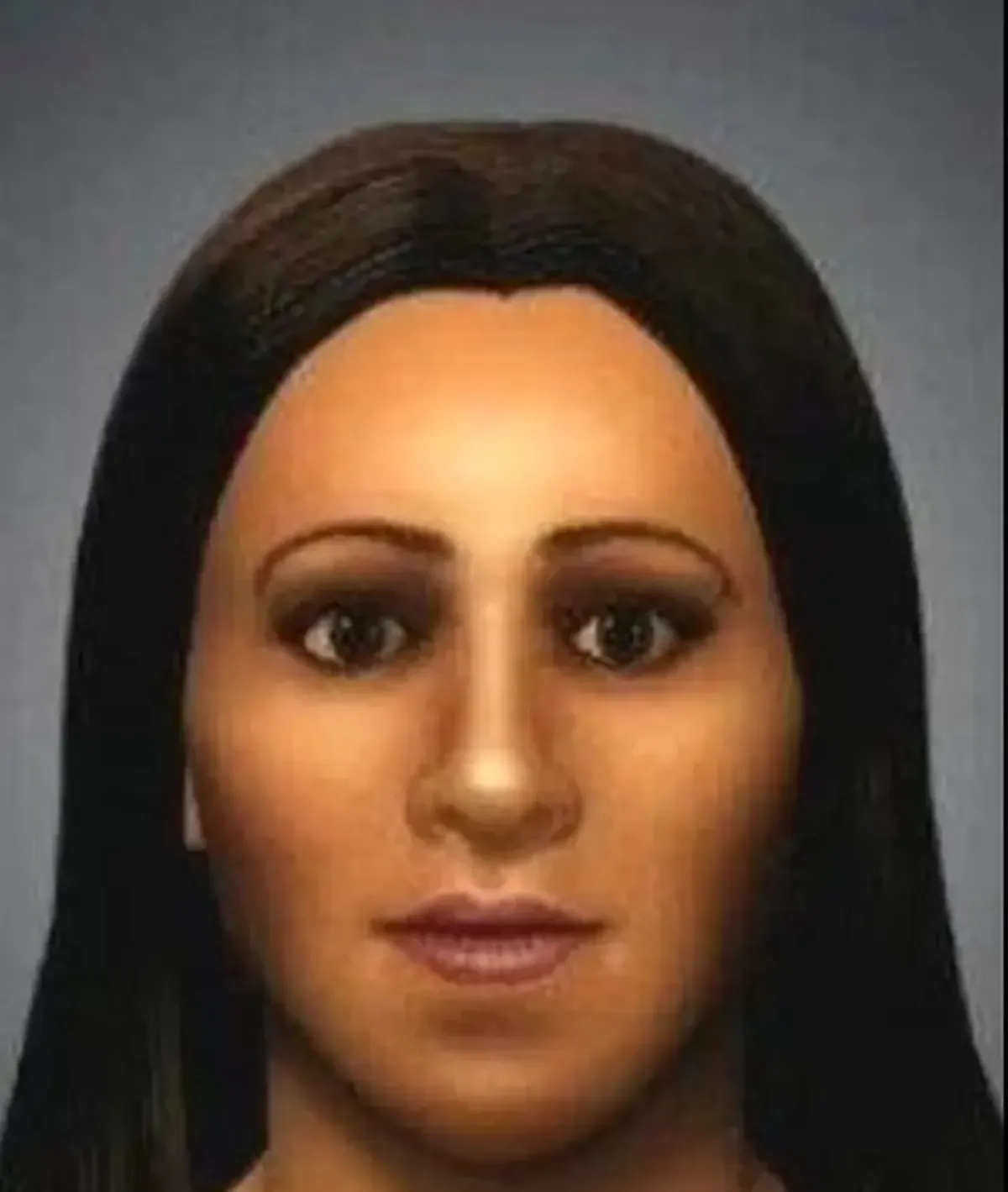
Facial visualization of Cleopatra’s sister based on the skull that turned out to belong to a boy
Why was this boy buried in a prestigious mausoleum? That question remains unanswered. And it’s not the only question raised by the study. Does this mean the remains of Cleopatra’s sister are still undiscovered?
The Ptolemies were the royal dynasty that ruled ancient Egypt until its annexation by the Roman Republic in 30 BC. Cleopatra and Arsinoe were daughters of King Ptolemy XII Auletes.
In 41 BC, Arsinoe IV was executed in Ephesus on the orders of Roman politician Mark Antony and at the insistence of his lover, Cleopatra.
The findings of the study were published in the journal Scientific Reports.
