
 Carlos Solis
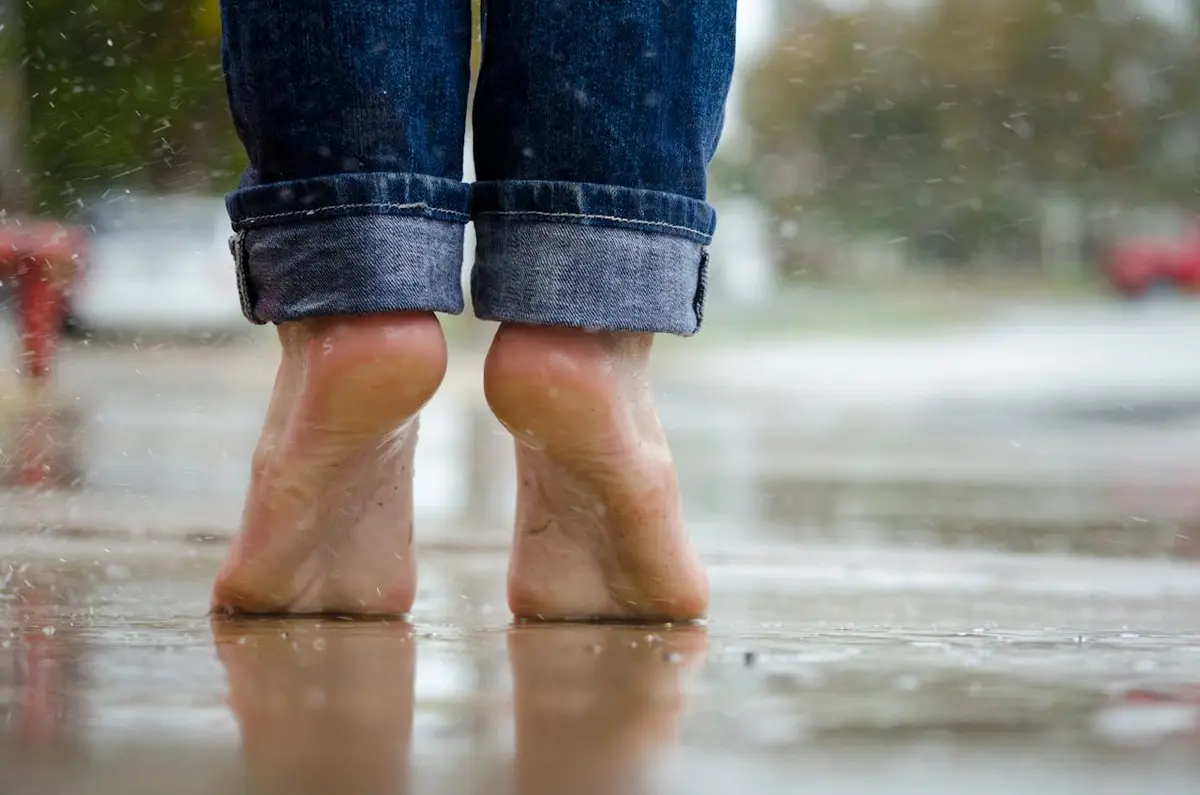 Research from psychologists at the University of Massachusetts found that the most attractive part of a woman’s body, according to men, is her legs. Men’s interest really does start at the ground: after legs in the attractiveness ranking come the waist, hips, and lips. Most surveyed men said they focus on the length, shape, and grooming of a woman’s legs—the curve of the calves, the transition to the ankles, and the look of smooth skin. So summer foot care routines matter. That means hygiene, moisturizing, sweat control, sun protection, and preventing cracks, calluses, corns, fungal infections, and swelling.
For Confident Walking
Even if you’re not walking barefoot on the sand or grass, feet in open shoes tend to get dirtier than in cooler months. Another summer issue: feet sweat more. Here are some general recommendations.

Hygiene
Wash your feet daily with antibacterial or regular soap. Pay special attention to the areas between your toes—dry those spots thoroughly to avoid creating an environment where bacteria or fungi can thrive. Use foot deodorants or antibacterial products to control sweating and prevent unpleasant odors.
Sweat Control
Foot sweating calls for special deodorants or antiperspirants. The main difference is function: deodorants fight the smell of sweat, while antiperspirants reduce sweating. Deodorants neutralize or mask odors using antibacterial ingredients and fragrances without changing how much you sweat. Antiperspirants use aluminum salts to temporarily block sweat glands and reduce sweat production. There are also combination products that do both.
Use deodorants or antiperspirants no more than twice a day, since zinc and aluminum formulations can be harsh on skin. For excessive sweating, try an evening baking soda soak: dissolve half a cup of baking soda in three liters of warm water and soak your feet for 15 minutes before bed for a week—often sweating decreases after this treatment.
Fresh or dried birch leaves are traditionally used for compresses: scald them with boiling water, let cool, and apply between the toes and to the feet; some people tuck the compress into socks or shoes. Talcum powder or baby powder can help absorb moisture. Avoid tight, non-breathable shoes, change socks frequently, and choose natural materials rather than synthetics.
Moisturizing
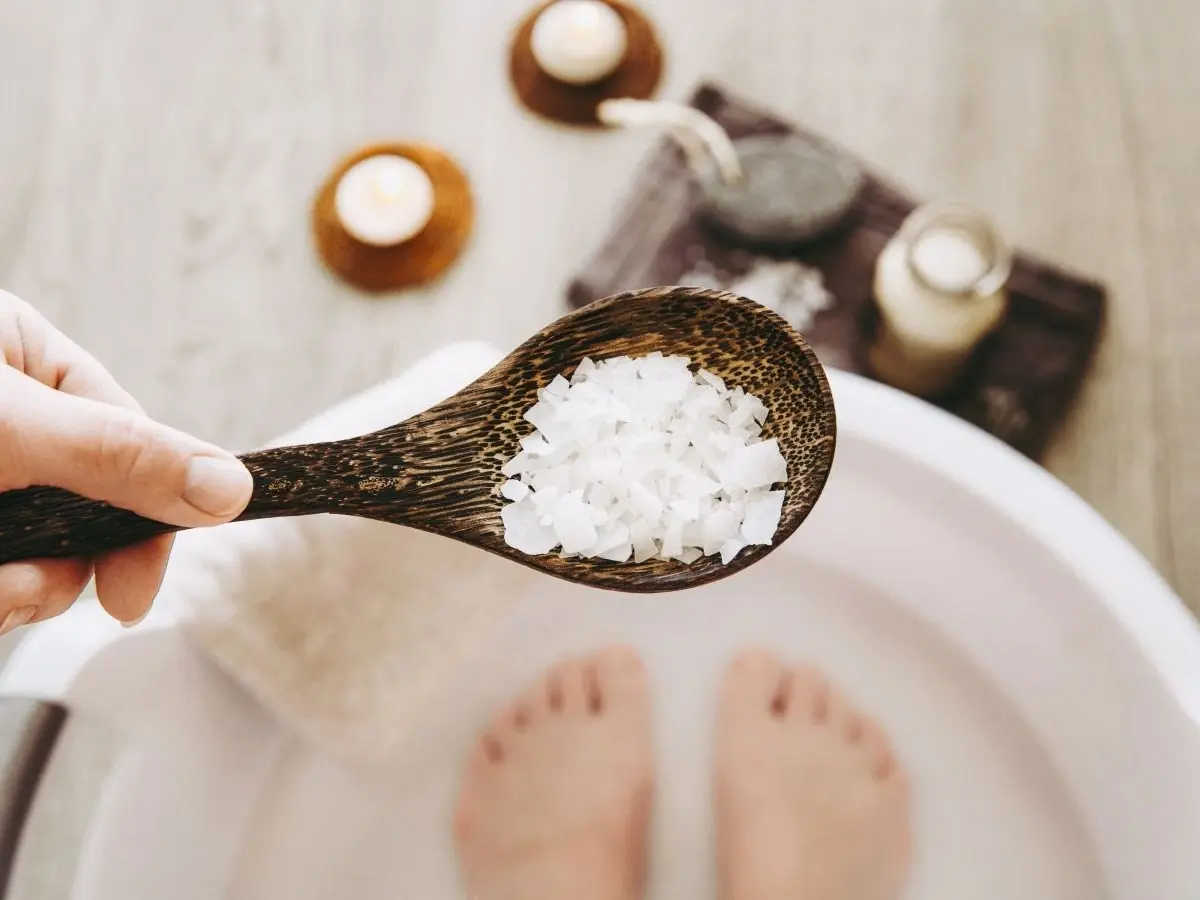
Foot baths with sea salt or herbal infusions such as chamomile or calendula help soften and hydrate skin. After washing your feet or at night, apply a foot lotion or moisturizing cream. Look for products with oils or urea—these soften even rough heel skin. Coconut oil and shea (karité) butter are particularly effective and have a pleasant scent.
Nail Care
Trim nails regularly and shape the edges straight to help prevent ingrown toenails. Soften cuticles and remove them carefully when they’re bothersome, but remember the thin skin at the nail fold protects the nail root from infection. Trimming cuticles can make nails look neater and prevent hangnails, but improper trimming can cause infections. If you use nail polish, prefer acetone-free removers.
Sun Protection
If you spend time in the sun or wear open shoes, use sunscreen with a high SPF on the skin of your feet. Apply it about half an hour before going outside and reapply every two hours—especially after swimming.
Fungal Prevention
When visiting a pool or public bath, protect yourself from fungal infections. Use antifungal products at public facilities and see a doctor at the first sign of a fungal infection—self-treatment can be ineffective or harmful.
Light Physical Activity
Leg exercises improve blood circulation and muscle tone. In hot weather, avoid intense workouts; choose swimming, walking, or light jogging at cooler times of day. After activity, lie down with your legs elevated to relieve fatigue and reduce swelling.
Foot Massage
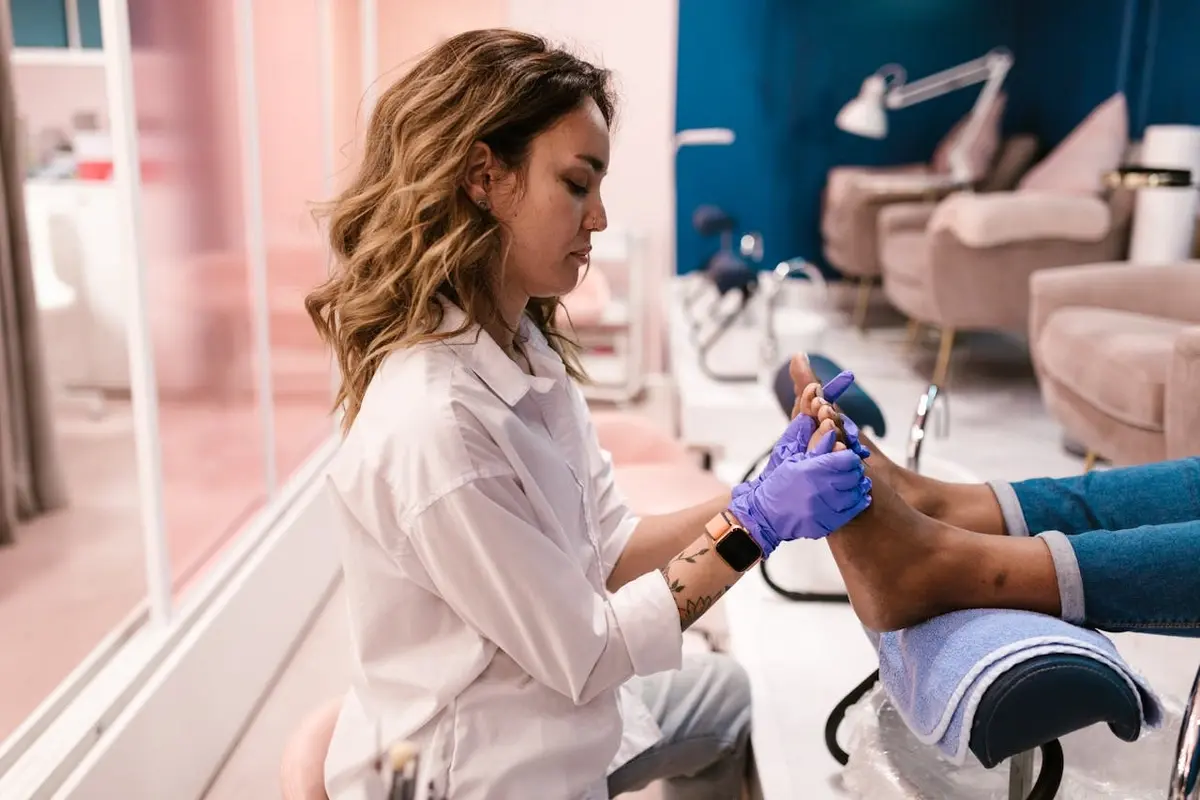
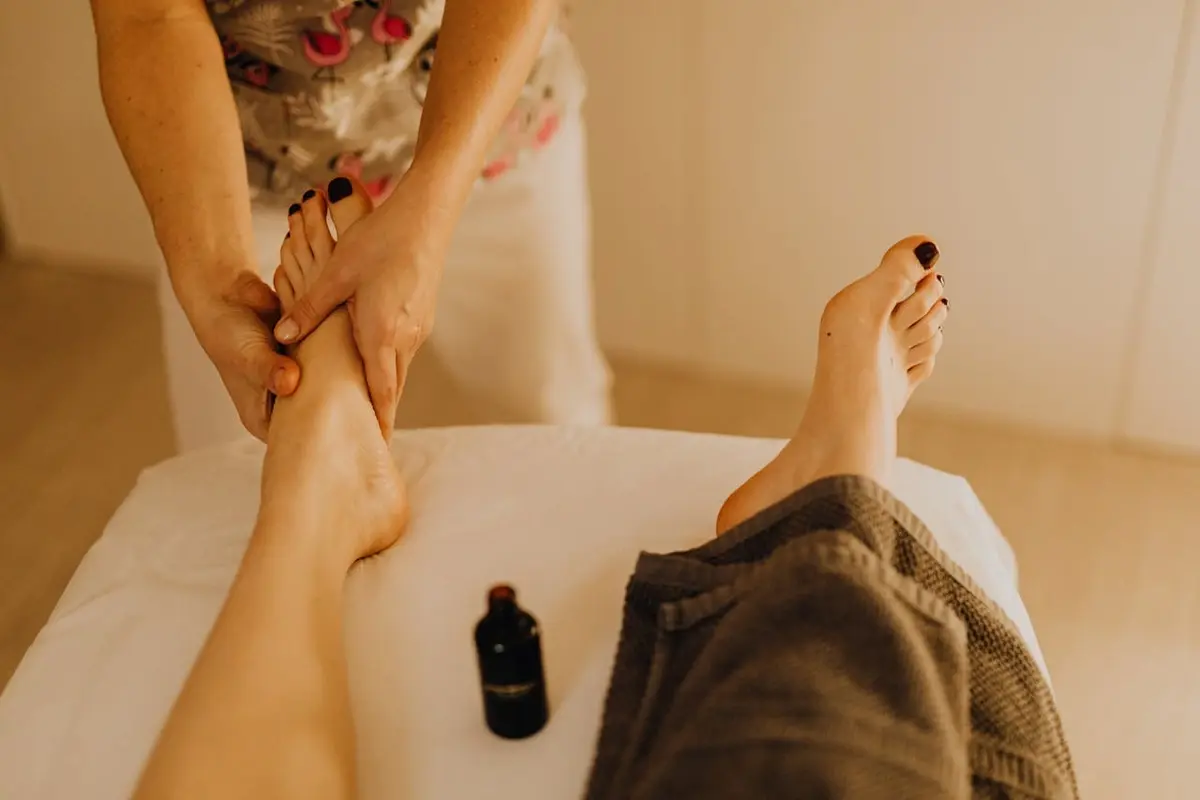
Massaging calves and feet relaxes muscles and boosts circulation. Apply oil or cream and massage from the feet up toward the knees. If possible, get a professional foot massage or pedicure: a pedicure combines cosmetic and hygienic care—callus or corn removal, nail tidying, cleaning, moisturizing, and massage.
The “Favorite” Corn
Wet corns on the foot are fresh skin abrasions—soft, painful blisters often caused by tight, new, or uncomfortable shoes. Filled with cloudy fluid, blisters can burst and bleed; if bacteria enter, inflammation, infection, or worse can follow. Don’t ignore them. Some wet corns on the toes can be treated with folk remedies.
Potato
Make a paste from grated raw potato, soak it in gauze, apply to the affected skin, and secure with a bandage or adhesive plaster. Change the compress after a day. Usually three treatments are enough to help a wet corn absorb.
Plantain, Wild Sorrel, and Calendula
Use a mixture of washed, chopped plantain, wild sorrel, or calendula leaves as a compress—each can be used alone or combined.
Tomato
For dry corns (not painful but unsightly), apply a compress made from a ripe tomato to the corn overnight. The hardened skin should peel off layer by layer; gently scrape away separated skin daily with a pumice stone or nail file.
Lemon
Pass a whole lemon (peel and pulp) through a meat grinder and apply the paste to the dry corn, bandage it, and leave overnight. In the morning, remove softened skin with a nail file.
Onion
Cut a baked onion in half and apply it cut-side down to the corn, bandage, and leave on overnight while wearing socks. After about five days, the dry corn often disappears. To remove onion smell afterward, wash your feet with warm soapy water and use foot deodorant.
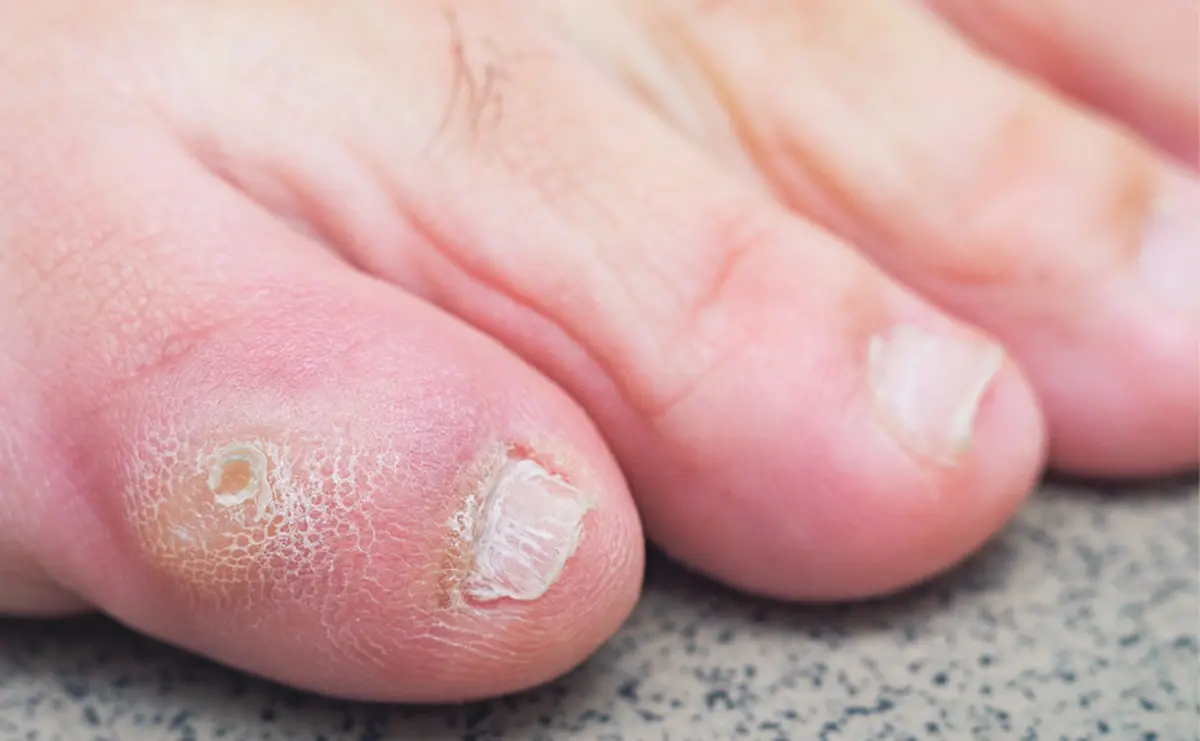
Fighting Calluses
A callus is a dry, hardened corn or a localized thickening of the skin’s keratin layer caused by constant pressure or friction. Calluses develop over time and can be deep-rooted; old calluses are the hardest to treat and require comprehensive care.
Prunes
Make a warm paste from chopped, soaked prunes and apply it to calluses overnight, secure with socks. In the morning, scrape off peeling skin and rub the area with warm olive or castor oil.
Onion and Vinegar
Soak 150 grams of onion peels in half a glass of table vinegar in a sealed glass jar and let it steep in a dark place for two weeks. Use the resulting infusion as an overnight compress until the callus improves.
Dandelion and Alder
Fresh alder or dandelion leaves (or coltsfoot) can be placed in shoes for supportive foot care.
Salt
For painful corns, take foot baths with salt (1 teaspoon of salt per liter of warm water). Soak your feet for 20 minutes and then let them dry naturally—the pain should ease.
Baking Soda
Soak feet at night for 30 minutes in a solution of 1 liter warm water, 2 teaspoons baking soda, and 1 tablespoon grated household soap to soften the skin. Afterward, the softened skin can be scraped off. Always apply a nourishing cream after treating corns and calluses. For prevention, remove hardened skin weekly after soaking.
Vitamins
To keep skin on the heels and pads soft, get enough vitamins A and E from foods such as green onions, carrots, citrus fruits, butter, milk, and liver.
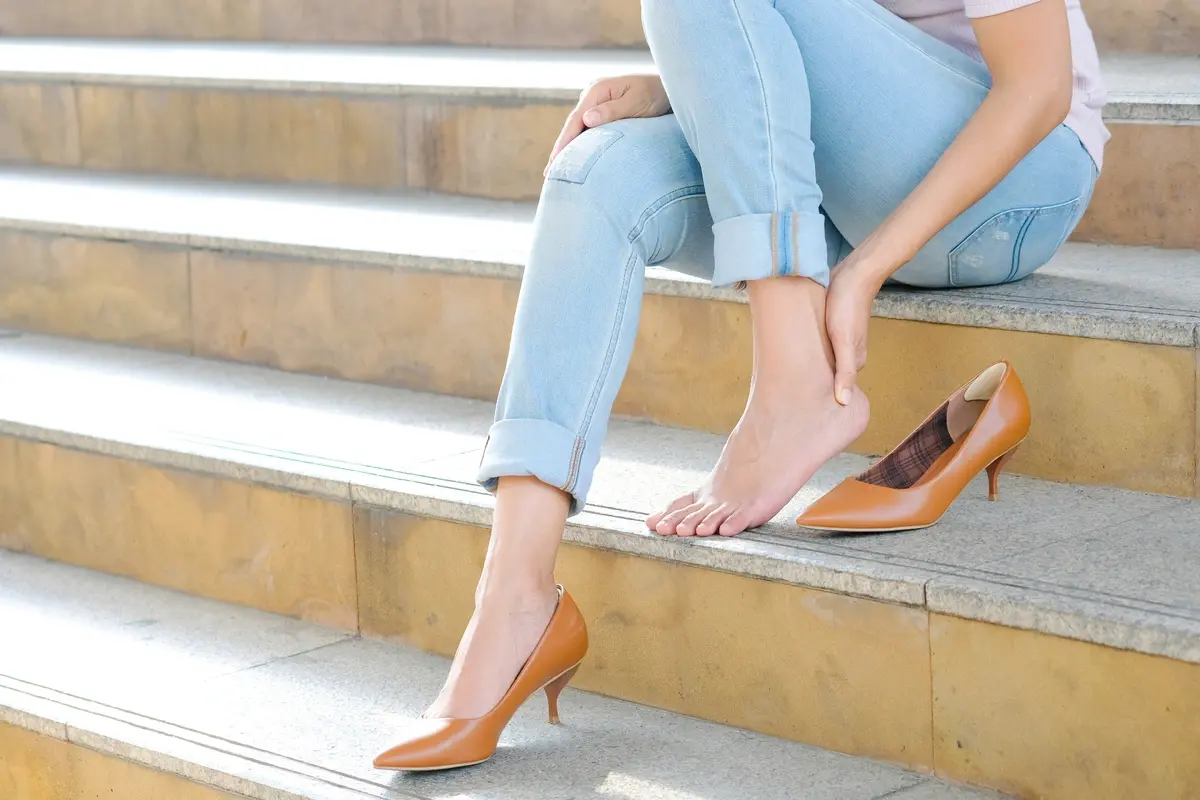
Cracks on the Heels
If you’re prone to heel cracks, include foods rich in vitamins A, B, and C in your diet. Eat carrots, butter, egg yolk, caviar, and liver—these foods are good sources of retinol and carotene, whose deficiencies can contribute to dry skin.
Treat deep or infected cracks with appropriate antibacterial and antifungal medications.
Causes of heel cracks can include:
- vitamin deficiencies;
- poorly fitting shoes;
- irregular foot care;
- excessive peeling procedures that hinder skin recovery;
- thyroid disease;
- metabolic disorders;
Folk remedies for heel cracks include:
- boil potato peels and soak your feet in the broth for 20 minutes, then rinse with warm water and apply castor oil;
- for deep cracks, take daily starch baths: dissolve 1 tablespoon potato starch in 1 liter of water and steam your feet before bed, then apply a fatty cream or glycerin (about ten half-hour treatments are usually needed);
- steam your feet in a decoction of calendula flowers and leaves (brew the herbs in 1 liter of boiling water);
- add 1 liter of herbal decoction, 3 drops of ammonia, and 1 tablespoon baking soda to 3 liters of water and take 20-minute foot baths for a week;
- brew 1 tablespoon chamomile in 1 liter of water and take chamomile foot baths;
- make a compress with cabbage and honey: slightly bruised cabbage leaves smeared with honey and dusted with flour, applied to the heels and left overnight for a week;
- before bed, take a foot bath with boric acid (dissolve 2 tablespoons in 1 liter warm water), dry your feet, fill cracks with petroleum jelly, and cover with a plaster;
- after a bath, treat heel cracks with salicylic ointment or a mixture of egg yolk, 1 teaspoon lemon juice, and 2 teaspoons starch;
- always nourish rough heel skin with moisturizing products.
What Causes Mycoses?
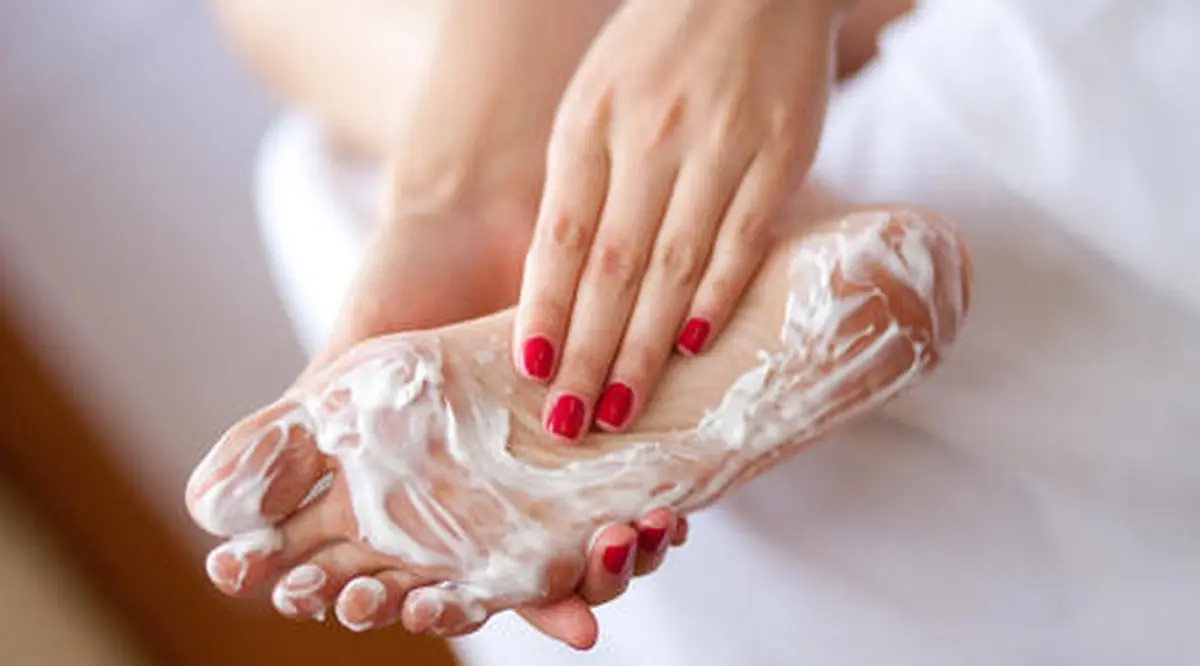
Dermatologists say fungi live on everyone’s skin, but fungal infections develop only when the body’s defenses weaken. Among people over 60, one in three has a fungal infection. Fungal infections occur more often in spring or late winter, when immunity can be lower from lack of sunlight and vitamins. Fungi thrive in warmth and humidity, so summer hotspots include beaches, saunas, and pools. Don’t visit these places with cracked heels.
Risk factors include:
- jobs that involve standing for long periods;
- varicose veins and vascular disease;
- frostbite or wounds on the legs;
- infected or poorly fitting shoes;
- overuse of synthetic socks and shoes.
Foot fungus is a long-term infection that often affects both feet and can spread from skin to nails. It causes pain, odor, and nail changes—discoloration, dullness, splitting, thickening, and deformation. Yeast-like fungi can inflame tissue around the nail, causing itching and dull pain. Fungal infections often start with cracks on the heels or between the toes rather than immediately with nail changes.
For nails, dermatologists recommend antifungal lacquers that can be applied under a tinted layer. Wipe affected skin with boric alcohol or an acidic solution (1 teaspoon table vinegar per cup of water). For early disease, local treatment—trimming affected areas, applying therapeutic lacquer, and using antifungal ointments or iodine—may suffice. If 15–20% of the nail is affected, combined therapy is usually required.
Mycoses can be linked to vascular disorders or deficiencies of minerals like silicon or zinc. To prevent deficiencies, consider medical advice on supplements and enrich your diet with vitamins A, B, and D and with plant or animal proteins. Foods such as cheese, butter, fish, nuts, carrots, and gelatin support nail and skin health. Treating fungus improves overall comfort and foot appearance.
To prevent mycoses in summer, wear socks made of natural, breathable fabrics (like cotton), keep leather shoes dry and breathable, disinfect shoes, pedicure tools, and baths, and practice good foot hygiene.
Why Do Feet Swell?
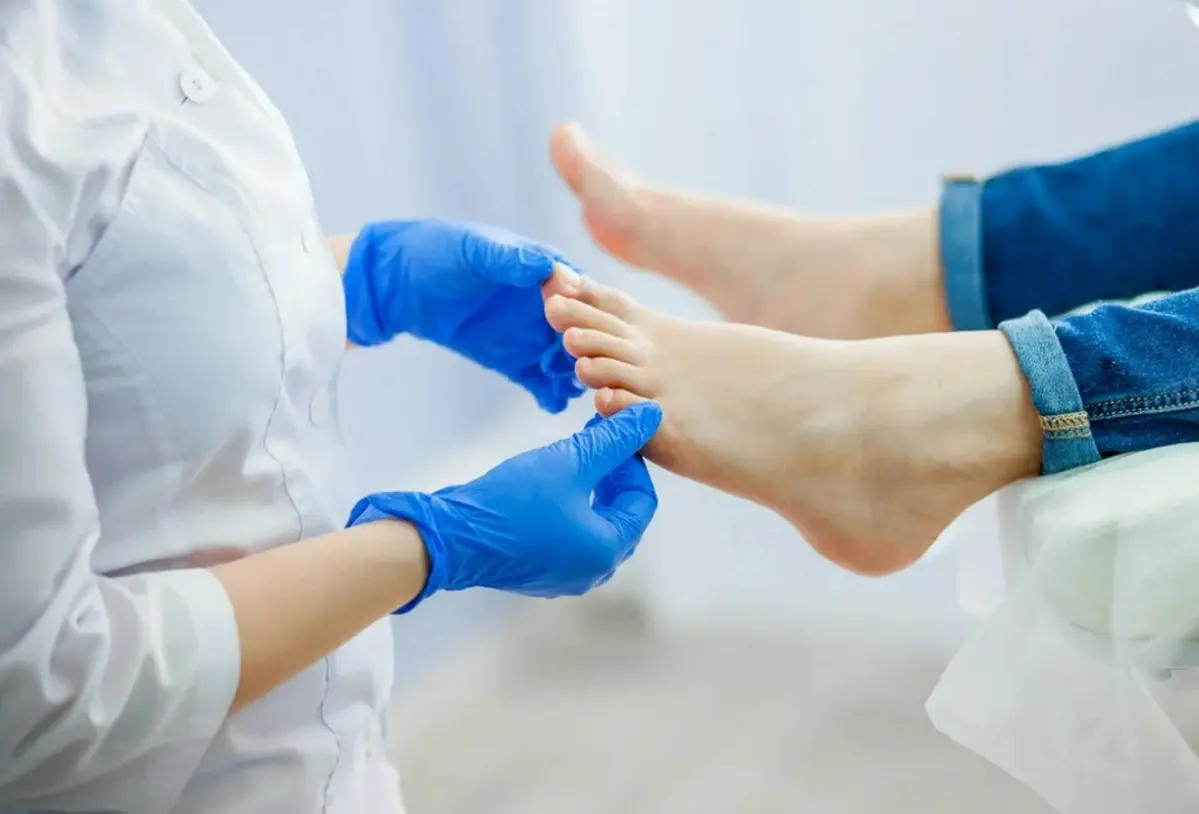
Two other issues that affect foot appearance are swelling and cellulite. Treating them requires a full approach: healthy eating, limiting salt intake, regular leg and glute exercises, manual or mechanical massage, and cosmetic options like mesotherapy, cryolipolysis, or RF lifting. Adequate water intake is also important for skin hydration and metabolism.
Certain foods promote fluid retention: fast food, salty dishes, spicy or fatty foods, sweets, some dairy products, rich baked goods, and alcohol. Foods that help prevent swelling include dried fruits, citrus fruits, potatoes, leafy greens, and green tea. Foot care should include proper nutrition.
For people prone to swelling, baked or boiled pumpkin pulp can act as a mild diuretic—drink half a glass of fresh pumpkin pulp juice and tea made from pumpkin seeds daily. Another remedy: steep 2 teaspoons of a chopped herb in boiling water in a half-liter thermos overnight, strain, and drink half a glass four times a day.
To prevent foot swelling, do exercises that improve circulation: rise onto your toes and then drop sharply onto your heels. Avoid high heels and heavy lifting. Practice picking up small objects with your toes and stroke and massage your legs, starting from the feet. Ironically, the attractiveness of our legs is literally in our hands.
Photo: pexels.com
