
 Carlos Solis
A team of researchers from the French National Center for Scientific Research (CNRS) has discovered that nanoscale proteins derived from camel and llama antibodies can penetrate intercellular spaces more effectively than other antibodies. The researchers predict these tiny molecules could eventually protect the brain from hard-to-treat conditions such as Alzheimer’s disease and schizophrenia, as reported by ScienceAlert.
Antibodies are proteins the immune system uses to flag unwanted invaders (viruses, toxins) for removal. Nanobodies—truncated versions of these proteins—can reach hard-to-access parts of the body and neutralize harmful substances.
What Did the Scientists Discover?
Researchers at CNRS say the small size of nanobodies makes them well suited to penetrate the brain and treat its tissues with fewer side effects. Four nanobody-based treatments for other parts of the body have already been approved.
Members of the camel family (llamas, camels, and alpacas) naturally produce antibodies that are smaller than human ones. Scientists have refined them in the lab, making them about ten times smaller than the common Y-shaped immunoglobulin G.
While sharks also produce nanobodies, camelid nanobodies are more compatible with the human immune system. Nanobodies from camelids have already shown effectiveness against influenza A and B, gastrointestinal norovirus, COVID-19, and even HIV.
Until recently, it was thought that nanobodies couldn’t be used to treat brain diseases because human kidneys filter them out of the bloodstream before they can reach their target. It was also thought they couldn’t easily cross the blood-brain barrier—the critical checkpoint for any drugs affecting the brain.
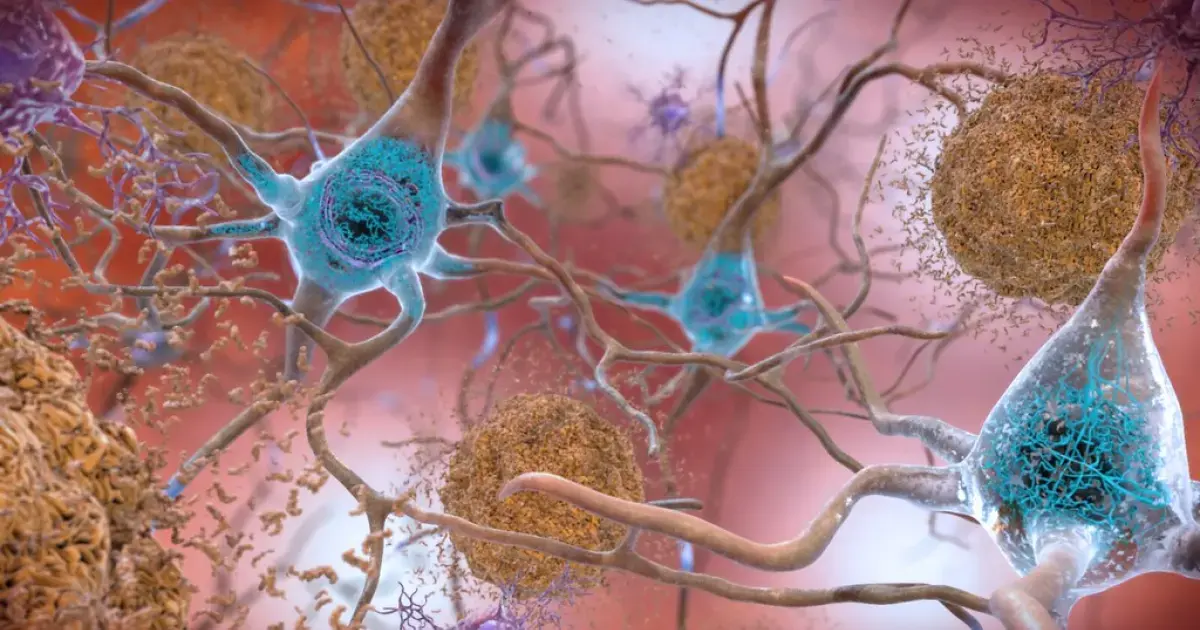
However, researchers have now resolved most of these issues. Lab experiments on animal models have shown that modified nanobodies can cross the blood-brain barrier and recognize and clear two key markers of Alzheimer’s disease: tau proteins and beta-amyloid.
“Camelid nanobodies are opening a new era in biological therapy for brain diseases. We believe that nanobodies could become a new class of drugs that occupy an intermediate position between conventional antibodies and small molecules,” said Philippe Rondeau, a neuropharmacologist at CNRS. But before these drugs can be used in the human brain, scientists need to assess their stability and folding and make sure they do not aggregate, Rondeau emphasized.
Researchers also need to learn more about exactly how camelid nanobodies penetrate the blood-brain barrier and how long they remain in the brain. That knowledge is essential for determining the correct dosage, noted co-author Pierre-André Lafon, a functional genomics specialist.
Perhaps one day we will thank camels for preserving our precious memories. The study’s findings were published in the journal Trends in Pharmacological Sciences.
Photo: Openverse, Unsplash
