
 Carlos Solis
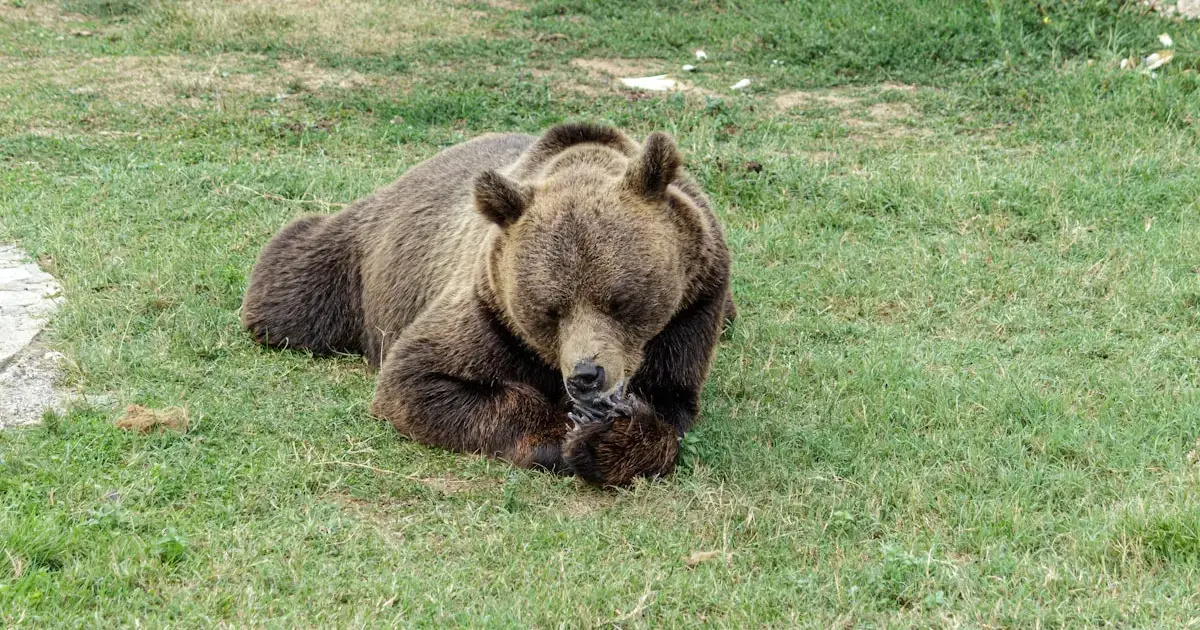 A new study from the University of Ferrara in Italy has revealed that modern wild bears are increasingly resembling Baloo—the furry mentor of Mowgli from Kipling’s “The Jungle Book.”
Researchers focused on the Apennine brown bear (Ursus arctos marsicanus), which lives in Central Italy and evolved in close proximity to humans.
This critically endangered subspecies split from other European brown bears 2,000 to 3,000 years ago. Since then, it has been completely isolated from human communities.
The new analysis confirmed that, facing extinction, the current population of these predators has undergone significant changes largely driven by human activity.
Scientists found that these animals have smaller body sizes and distinctive head and muzzle features compared with European, North American, and Asian brown bear populations. The study also suggests that, through evolution, members of the Ursus arctos marsicanus subspecies have become friendlier toward humans, a shift reported by the Daily Mail.
“We observed that the brown bears of the Apennines carry genetic markers associated with reduced aggression,” noted Dr. Andrea Benazzo, the lead author of the study.
According to the researchers, these genetic differences likely arose because humans eliminated the more aggressive individuals. As a result, calmer bears remained and passed those genes to future generations.
In the study published in the journal Molecular Biology and Evolution, scientists emphasized that only about 50 Apennine brown bears remain in the wild.
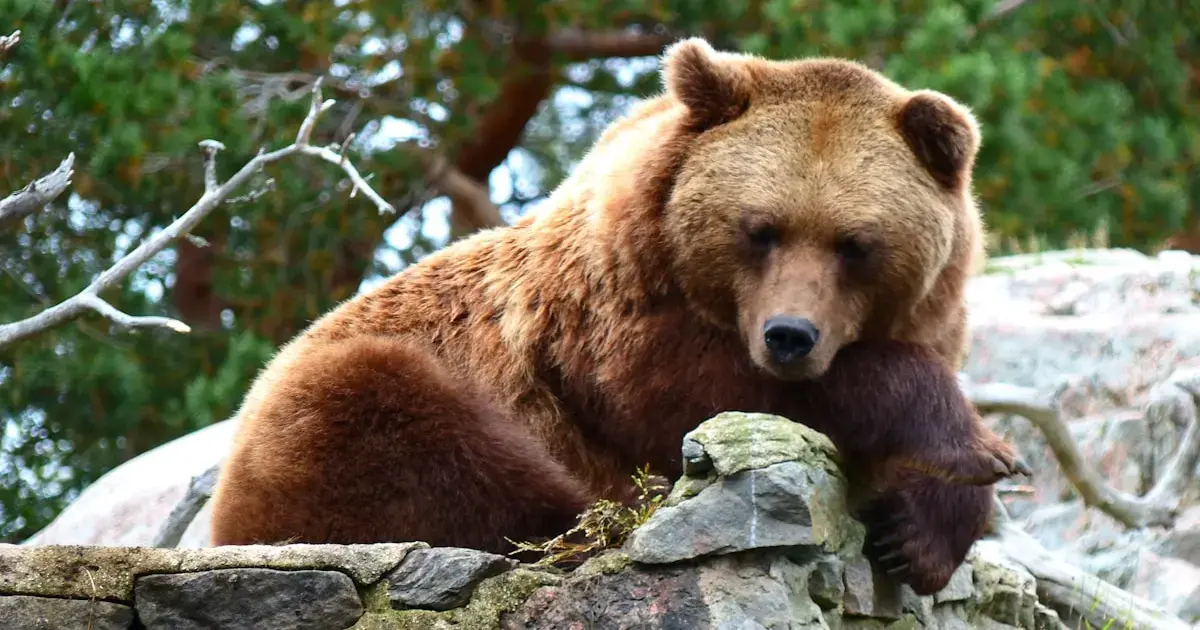
“One of the main reasons for their decline and isolation is likely deforestation, which is linked to the expansion of agricultural land and rising population density in Central Italy,” Dr. Benazzo said.
This illustrates how human encroachment into nature drives species decline, erodes genetic diversity, and raises the risk of extinction. At the same time, that encroachment has inadvertently reduced conflict between some humans and bears.
“The conclusions from our study are clear. Human-wildlife interaction is often perilous for species survival, but it can also help reduce conflict between them,” remarked co-author Giorgio Bertorelle.
Last month, another team reported that climate change is driving genetic shifts in North Atlantic polar bears. Researchers found a strong link between rising temperatures in southeastern Greenland and changes in polar bear DNA that may help them cope with warming conditions.
Alice Godden, an environmental specialist at the University of East Anglia and the lead author of that study, said the findings offer some hope for polar bears’ survival in new conditions. However, this does not mean the fight against global warming should be abandoned.
Photo: Unsplash
