
 Carlos Solis
Researchers at the British consumer-rights group Which? have put together a comprehensive cheat sheet for removing different kinds of stains.
While compiling it, the experts found that the best way to remove a red wine stain is with dish soap and hairspray — not white wine, as some people believe.
Which? warned: “Always read the care-label instructions carefully before trying any method.”
When you get ready to treat stains, follow these rules:
- Do not use bleach on dark clothing.
- Rinse items thoroughly before washing.
- Use lower-temperature water to avoid setting stains into the fabric.
- If you’re worried about ruining a valuable item, test the method on an inconspicuous area first.
To build their cheat sheet, Which? asked its experts to share the best tips for removing five common stains from:
- blood
- red wine
- grass
- ketchup
- sunscreen
The researchers then tested the suggested methods and identified the optimal solutions for each type of stain.

Blood stains
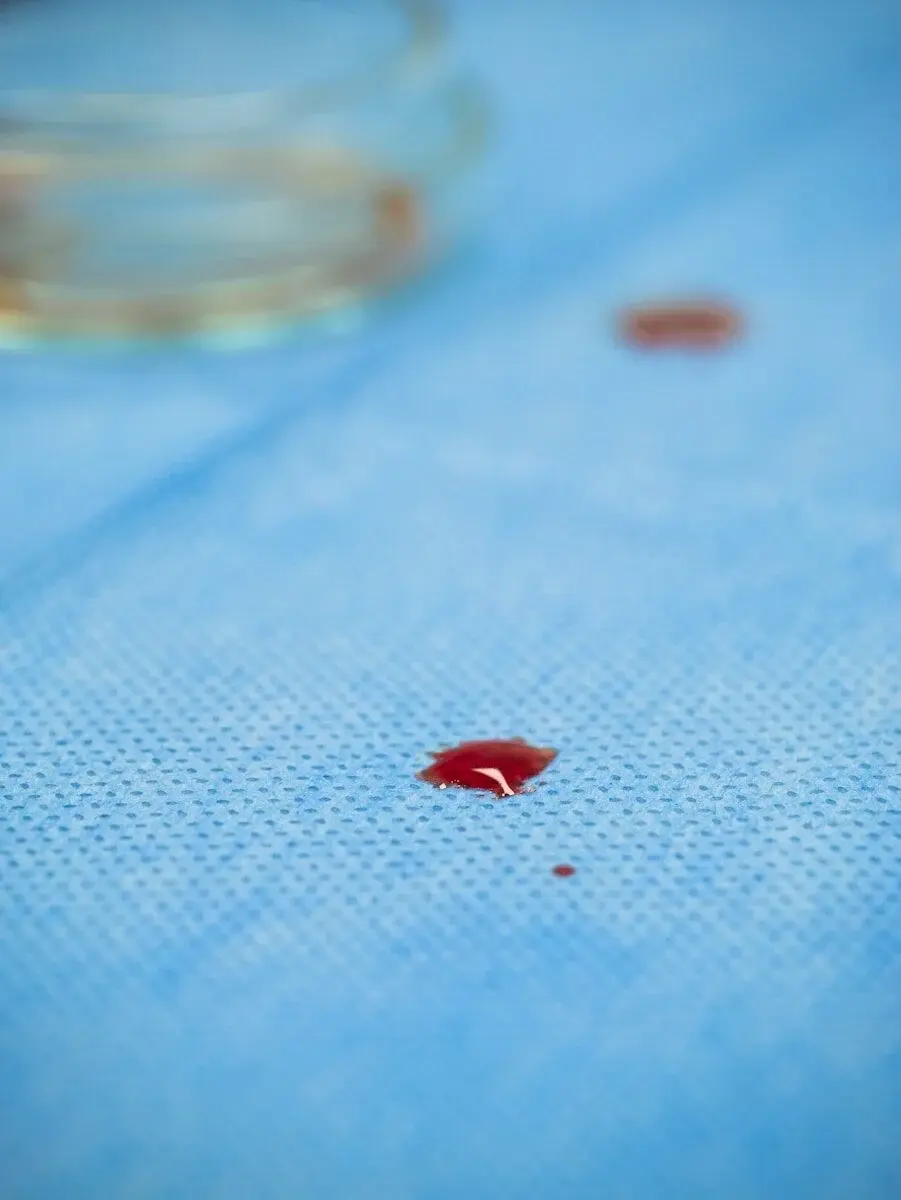
If blood gets on clothing, your first instinct might be to wash it in hot water. That’s actually the worst thing to do.
Which? explains: “Blood contains proteins that bind together when exposed to heat, and that makes a stain much harder to remove.”
Blood literally sinks into the fabric. Instead, soak the stained item in a mixture of cold water and salt, which helps break down the proteins in blood.
Red wine stains — why dish soap and hairspray beat white wine
Which? experts say dish soap and hairspray are among the best ways to treat a red wine stain.
Dish soap contains surfactants that help water penetrate the tiniest fibers and lift the stain from the material. Alcohol-based hairsprays break down the pigment in red-wine stains, making them easier to remove from fabric.
Absorbing the spill with salt can also help, especially when a large amount of red wine is involved.
Grass stains
A paste made from dish soap and baking soda is indispensable for grass stains.
“Baking soda acts as a mild alkaline cleaner that breaks down organic pigments and destroys the bright green chlorophyll compounds,” the organization said.
Ketchup or any other tomato-based sauce
Good old dish soap will also handle this problem. Besides the surfactants mentioned above, it contains effective degreasing ingredients.
“Natural bleach from sunlight can finish the job on stubborn stains, especially on light fabrics,” Which? added.
Sunscreen stains
If your favorite white clothes have been marked by sunscreen stains, don’t rush to use bleach.
“Trying to remove sunscreen stains with bleach can turn them pink and make them much more noticeable,” Which? warned.
They recommend starting with vinegar: “The acidic properties of vinegar help break down the oily, mineral-based ingredients found in most sunscreens.”
You can also try rubbing baking soda into the stain.
Try these tips next time you have a stain.
Quick stain-removal cheat sheet
Blood – Soak the stain in a mixture of cold water and salt. Wash in cool water.
Red wine – Apply undiluted dish soap to the stain or spray it generously with hairspray. Rinse and repeat. Wash at a low temperature.
Grass – Apply a paste of dish soap and baking soda. After a while, rinse the fabric under the tap.
Ketchup – Rub the stain with dish soap. Leave overnight. Rinse and hang to dry in the sun.
Sunscreen – Wet the stain with a solution of vinegar and water or rub baking soda into it. Leave overnight. Then rinse in water.
Pigments, proteins, and fats: what they mean for stains
Journalists at the Daily Mail collected a number of useful tips that apply to several other stain categories.
Pigment-based stains
This category covers stains from colored foods and drinks, such as wine, coffee, tea, juice, perfumes, grass, and ink.
How to remove the stain. Blot the stain with a paper towel. Rinse the stain with cold water and blot again. Pre-soak the item using a biological pre-wash powder or apply gel. Leave for 5–10 minutes, then rinse the fabric thoroughly.
Warning! Do not use salt or soap on tannin-based stains. Salt and soap will set those stains further.
Protein stains
This group mainly includes common stains from eggs, sweat, and blood.
How to remove the stain. Remove excess solid matter with a blunt knife. Blot the stain with a paper towel. Soak the item in cold water with a biological pre-soak product. Wash in the machine at 40 °C using a biological detergent.
Warning! Never use hot water for these stains — the protein can bind into the fabric fibers.
Grease stains
Typical culprits are cooking oil, butter, mayonnaise, and, as mentioned earlier, sunscreen.
How to remove the stain. Remove any solid residue from the stain. Blot excess oil with a paper towel. Sprinkle baking soda or baby powder onto the stain to absorb the grease. Shake off the powder and apply liquid dish soap for a few minutes. Finish the process in the washing machine.
Warning! Remember: lipstick contains both grease and pigment. To remove a lipstick stain, deal with the grease first as described above, then treat the pigment.
Photo: Unsplash
