
Most have wondered what causes that funny, frantic head shaking. Often after eating, drinking, or a cheek scratch, cats whip their heads back and forth at incredible speed. Dogs and other mammals are known to do the same thing.
Why do they shake their heads?
Most of the time this behavior is perfectly normal, experts told Live Science. But the reasons cats and dogs shake their heads can differ.
“The physiological cause in is stimulation of very sensitive whiskers and nerve endings on the upper part of the head, especially around the ears,” said Sarah Crowley, an anthropozoologist at the University of Exeter in the U.K.
Those nerve endings are often triggered when a person scratches the cat in a spot the person finds pleasant, and the cat seems to try to shake that sensation off. “If an owner touched a sensitive area, like around the ears or the whiskers, that contact can cause the cat to shake its head,” confirmed Amy Mile, a lecturer in clinical animal behavior at the Royal (Dick) School of Veterinary Studies at the University of Edinburgh in Scotland.
A quick head shake is very effective at removing bits of food or drink from a cat’s ears or whiskers. It also helps smooth the fur back into place, Crowley added.
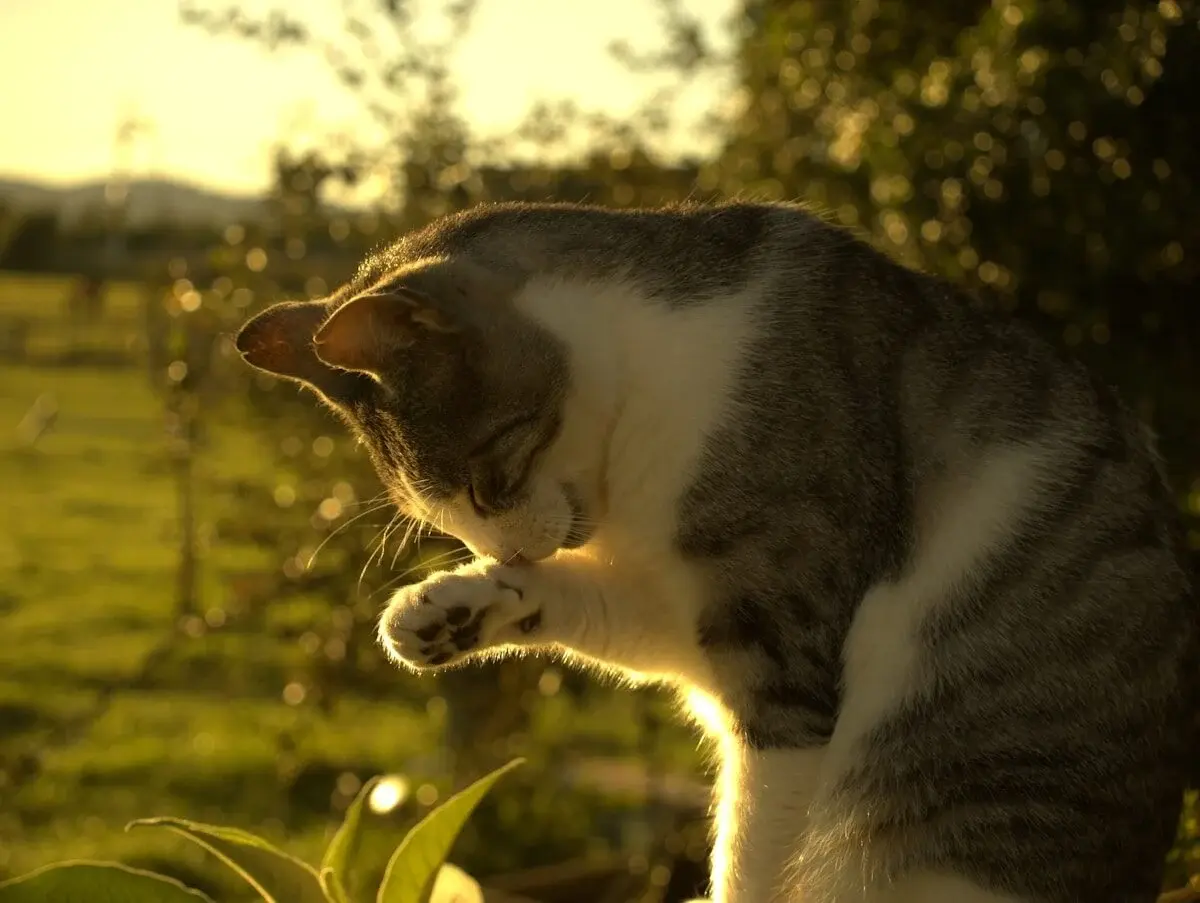
“Often the head shake turns into pawing at the face or ears,” Mile says.
If the movements are very sharp, the animal may be irritated—for example, by a puff of air in the ear. Don’t blow into a cat’s ear on purpose; cats generally don’t like that.
The good news is this chaotic shaking usually doesn’t make them dizzy. Mile says animals (and people) tend to feel dizzy when they spin around in circles, not from a quick head shake.
Cats aren’t the only animals that do this in a funny way. “Many mammals reflexively shake in response to irritants in or around the ears,” Crowley said. Mice and rats do it, for example.
What about dogs?
Dogs with erect ears, like German shepherds, tend to shake their heads more often than breeds with naturally floppy ears, such as spaniels. That makes sense because an open ear canal more easily collects grass, seeds, insects, and other debris.
recognize several types of shaking:
The predatory shake, when a dog playfully tries to “destroy” a toy held in its mouth by yanking its head from side to side.
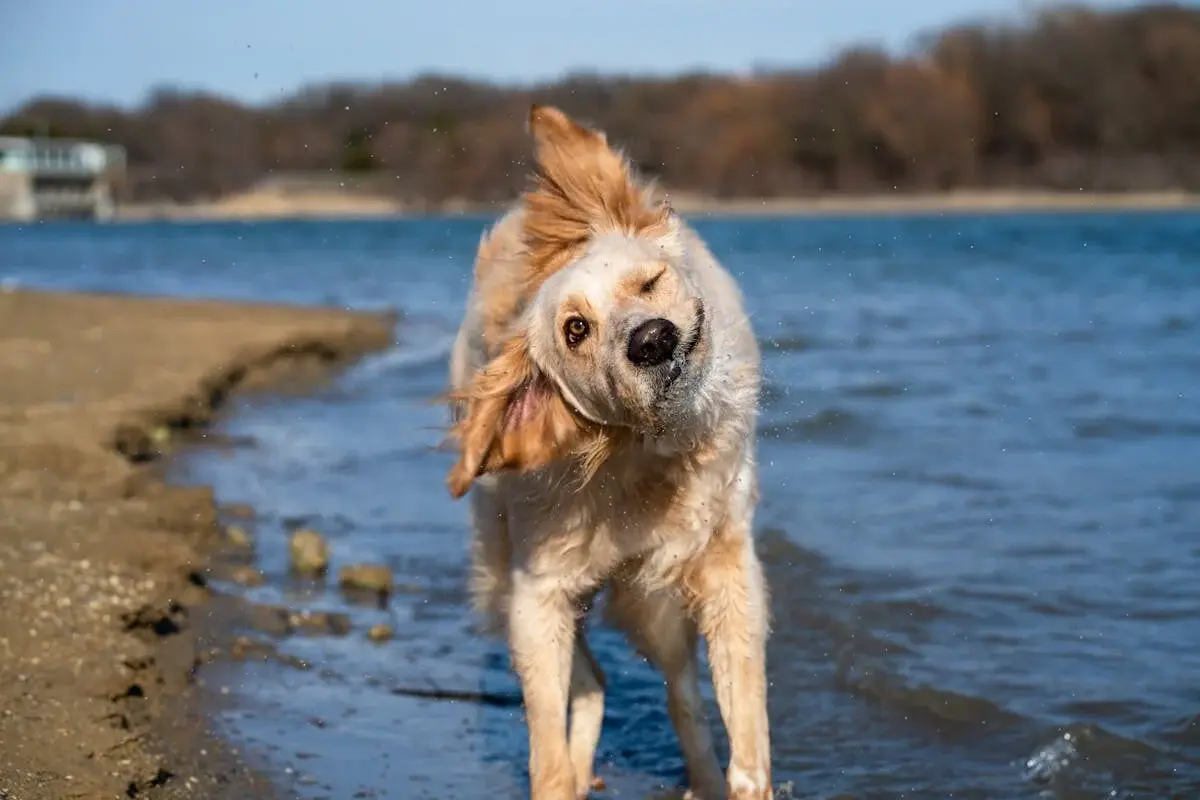
The whole-body shake, which starts at the head and runs down the spine to the tail; people often call this the “wet-dog shake.”
Dogs behave the same way after a bath: they fling water from their coat all over the bathroom before someone can towel them off.
can also signal a shift between behavioral states—such as when a dog has just experienced stress. “This shaking gives the animal a way to release tension and recover both emotionally and physically,” Mile noted.
“This can happen after a pretty intense and fun play session with another dog. Often you’ll see both dogs finish playing, then both start shaking, and then they go off to do something else.” — Sarah Crowley
When should you worry?
Although head shaking is often normal, it can also signal a problem. If your pet shakes its head too frequently, in unusual situations, or while constantly scratching or tilting its head, that usually points to a health issue. Possible causes include:
- infection
- parasites
- irritation
- neurological disorders
- a foreign object in the ear
“It’s painful and unpleasant, and the only thing they can do is shove their paw in there,” Crowley says.
If you’re worried that your or cat is shaking its head, contact your veterinarian. Untreated ear infections can cause hearing loss and can spread past the eardrum into the middle ear, leading to balance problems and a serious decline in the animal’s condition.
In most cases, though, head shaking is normal behavior that helps your pet stay clean and comfortable.
Photo: Unsplash
