
 Carlos Solis
A European team led by Professor Claudio Mauro at the University of Birmingham (UK) found that immune cells can carry a long-lasting memory of obesity. This applies in particular to cells known as T helper cells (or CD4+).
In a 10-year study, the team found that people with obesity lock a memory of their obesity into a key part of the immune system. That memory creates an ongoing risk of developing obesity-related diseases, even many years after they lose weight.
DNA methylation attaches tiny tags or markers to immune cells’ DNA. Those tags can persist for five to ten years after a person successfully loses weight.
DNA methylation is like a gene switch that doesn’t change DNA’s structure but adds tiny chemical tags to it. This mechanism controls gene activity by turning off genes that aren’t needed and turning on those that are.
The obesity memory encoded in T helper cells can disrupt important immune functions, including cellular waste clearance and the regulation of immune aging, the publication Medical Xpress reported.
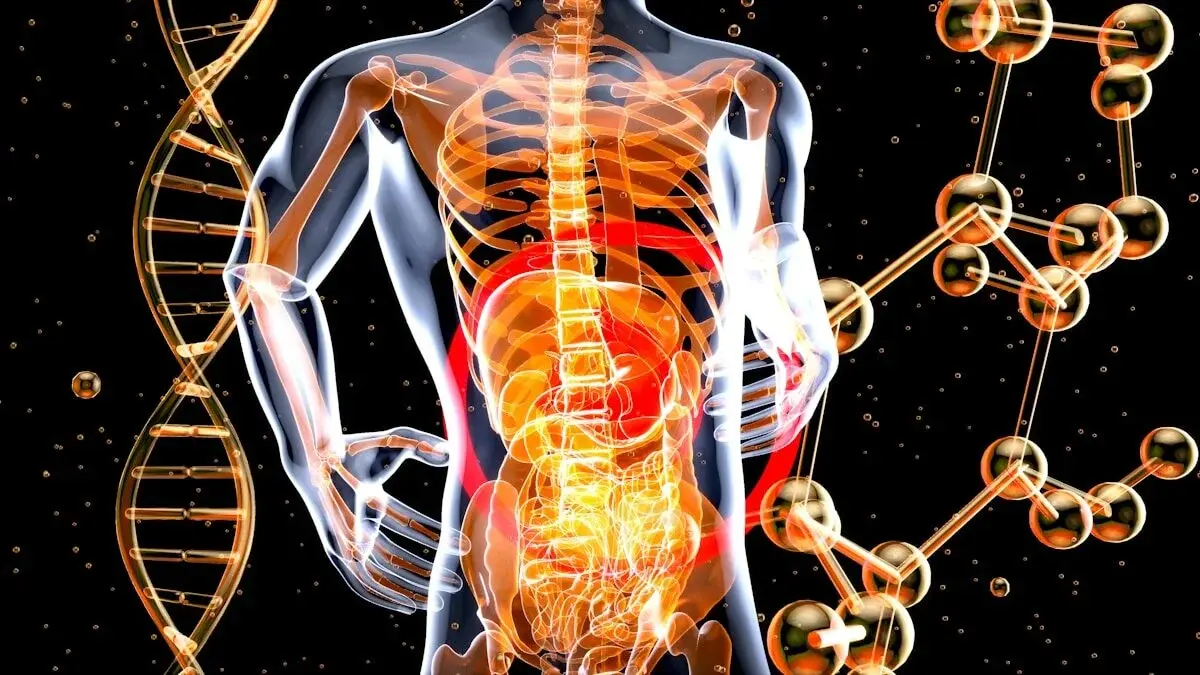
What scientists found about obesity’s immune memory
The researchers are concerned because this could mean that people who lose weight remain at higher risk for obesity-related illnesses for a long time, even after they reach a normal weight.
The team sampled immune cells from four groups to get the clearest picture of obesity’s effects. The study included:
- Blood samples from patients with obesity who were receiving weight-loss injections.
- Blood samples from patients with the rare genetic condition Alström syndrome, in which obesity begins in childhood.
- Blood and fat-tissue samples from people who took part in a 10-week exercise program.
- Blood and fat-tissue samples from people of normal weight or with obesity who had osteoarthritis and underwent hip or knee replacement surgery.
The scientists also examined blood samples from healthy volunteers and cells from mice fed a high-fat diet. Ultimately, the researchers learned more about the cellular mechanisms that underlie impaired immune regulation in obesity.

“The results show that short-term weight loss does not immediately reduce the risk of some obesity-related diseases, such as type 2 diabetes and certain cancers,” Professor Claudio Mauro said.
The researchers hope that steady weight control after weight loss will help the obesity memory fade over time. It could take years of sustained weight maintenance to fully reverse the effects on T helper cells.
The obesity memory appears to affect autophagy (the process by which cells digest their own waste) and immune aging. Scientists will use these findings to search for targeted therapies that help restore normal immune function.
Those methods could be used alongside existing obesity treatments to reduce the risk of metabolic and other diseases.
Photo: Unsplash
