
 Gaby
GabyOnce, these remarkable dogs served people faithfully — but today they’re gone. For different reasons, some breeds faded into obscurity because of human actions, while others disappeared because of changing circumstances. The British publication Daily Mail introduced readers to a few of the strangest and most unique dog breeds lost to history.
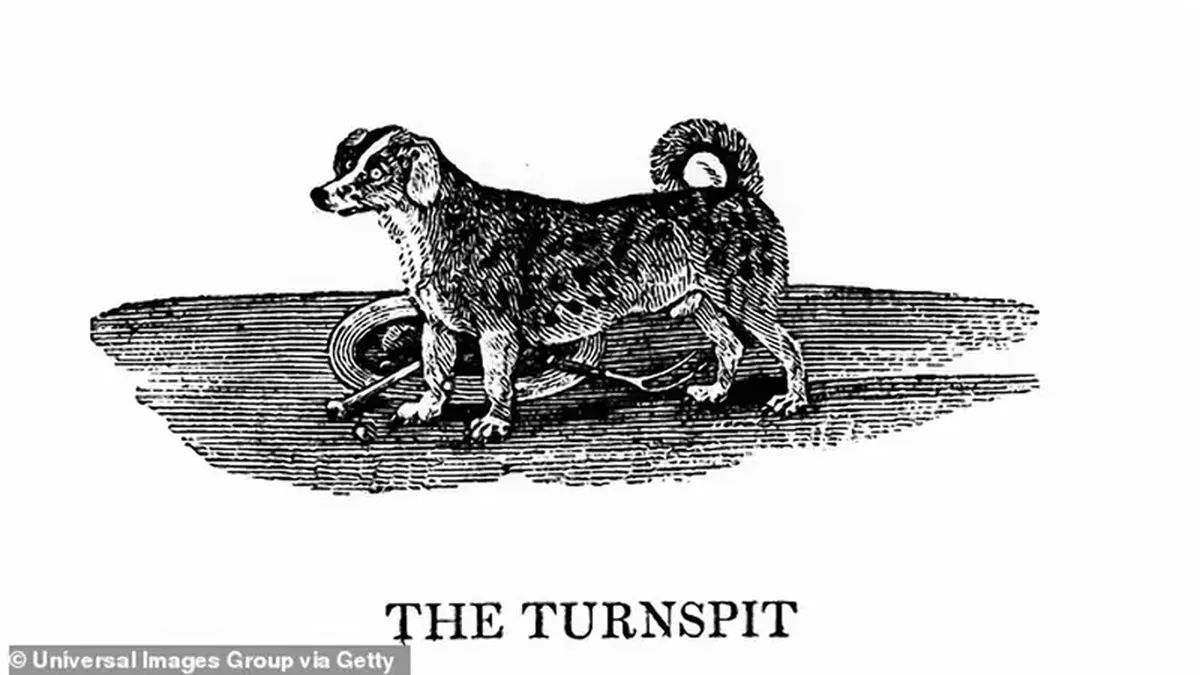
Turnspit Dog or the Kitchen Dog
This breed was developed for a single culinary task: turning the spit. In medieval British inns and taverns, they helped roast meat over open fires. To keep the meat cooking evenly and prevent burning, these little dogs ran like a hamster on a wheel, rotating the spit. Known as kitchen or culinary dogs, they were classified as a distinct breed in the 16th century by dog expert Johannes Caius. Eventually these dogs made their way to the United States. But when kitchen appliances replaced them, the breed died out. It is said that turnspits were distant relatives of corgis and terriers.
Hawaiian Vegetarian Dog or Poi Dog
These small dogs ate a plant-based diet and were brought to Hawaii by Polynesian settlers around the 300s — or, by some accounts, the 800s — AD. They served as companions for young children; in native Hawaiian tribes, every child received a poi puppy at birth, and if a child died, the dog was often buried alongside them. Poi dogs were fed a vegetarian diet because meat was expensive, surviving mostly on taro root, which often made them overweight. During 20th-century attempts to revive the breed, experts described poi dogs as calm, lazy, and not especially bright.
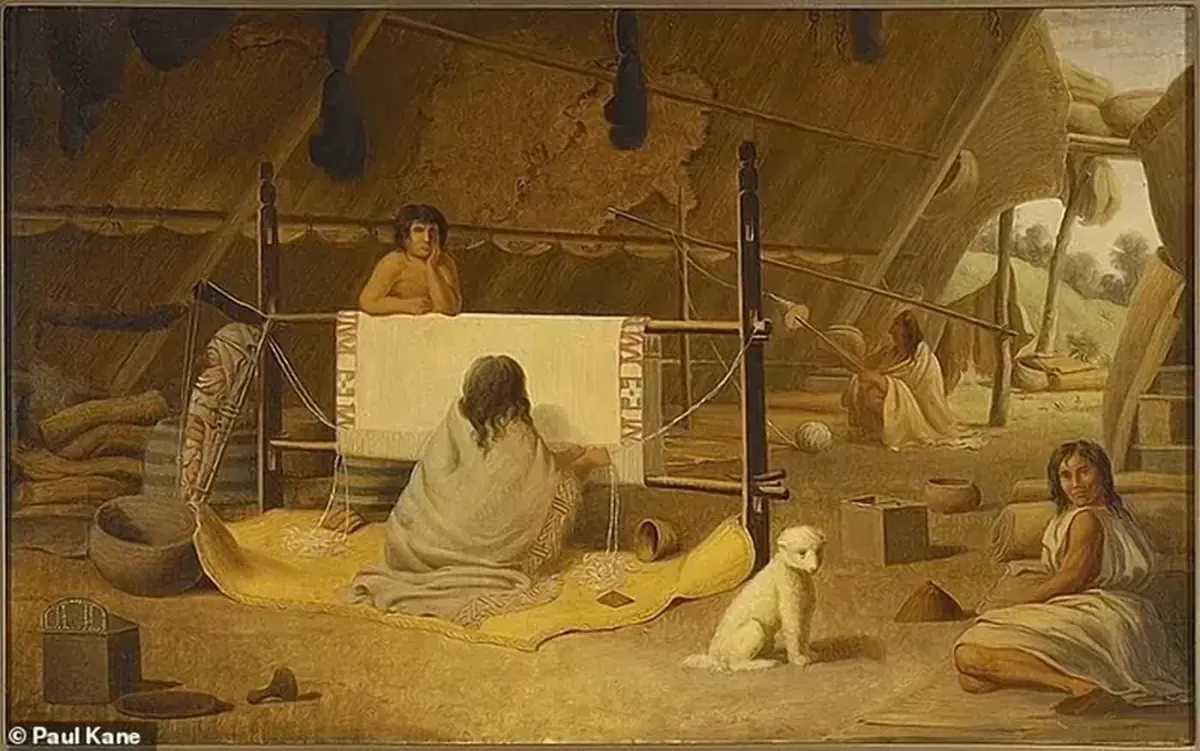
Salish Wool Dog
The Salish people of the North American Pacific Northwest bred this dog about 5,000 years ago. Their exceptionally thick fur was spun into yarn that the tribes used to make clothing and blankets. The dogs also served as pack animals for the coastal peoples. Modern research shows these domesticated animals were fed fish, and local women sheared their fur with clam knives. The Salish wool dog went extinct a few decades after colonists arrived in North America. All that remains of the breed are a few blankets and a single hide now preserved in museums.
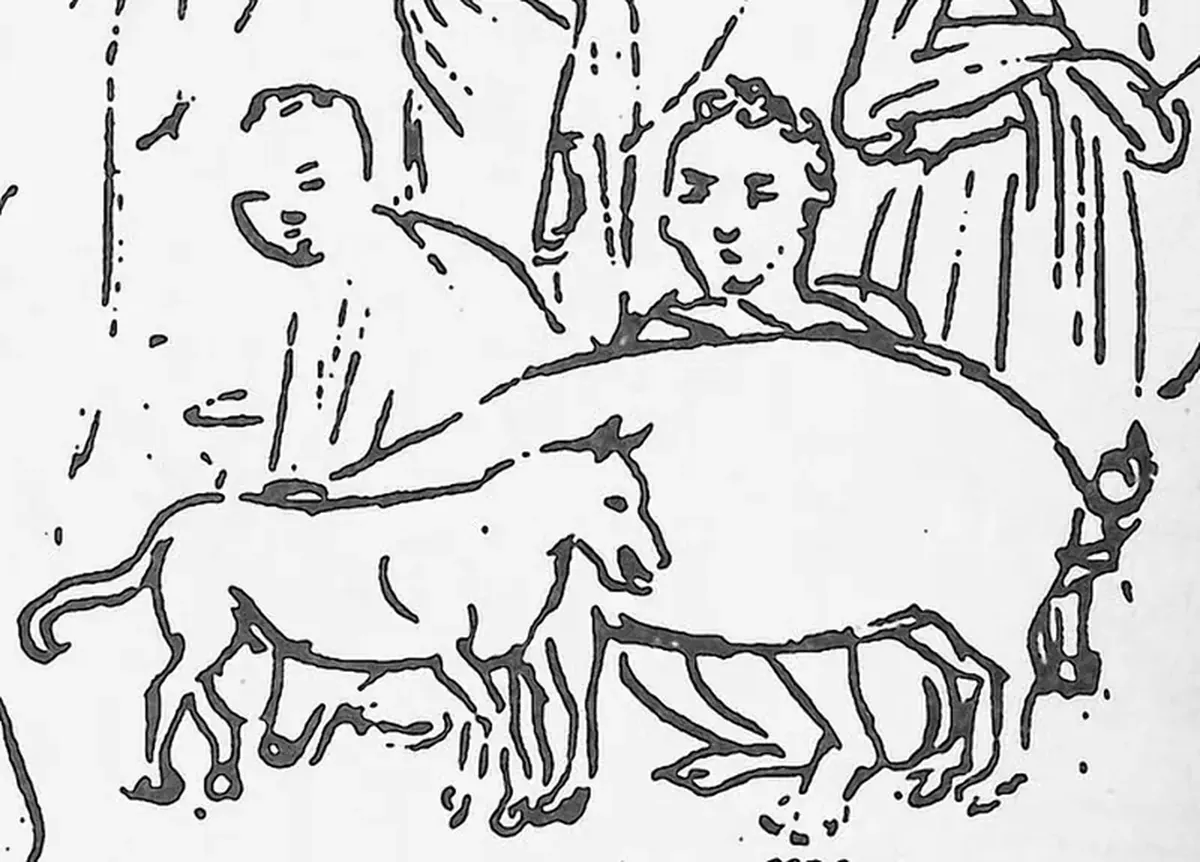
Molosser Dog – the Battle Dog of Alexander the Great
Massive Molosser dogs were popular in ancient Greece and Rome. The poet Oppian described the breed as “swift and steadfast.” Molossers were prized for their strength and courage. According to legend, Alexander the Great’s mother actively bred Molossers, and researchers suggest the emperor’s favorite dog, Peritas — after whom he named a city — was of the Molosser type. These loyal guardian dogs are mentioned in the works of Aristotle. Some modern experts believe contemporary European mastiff varieties may descend from those great ancient dogs.

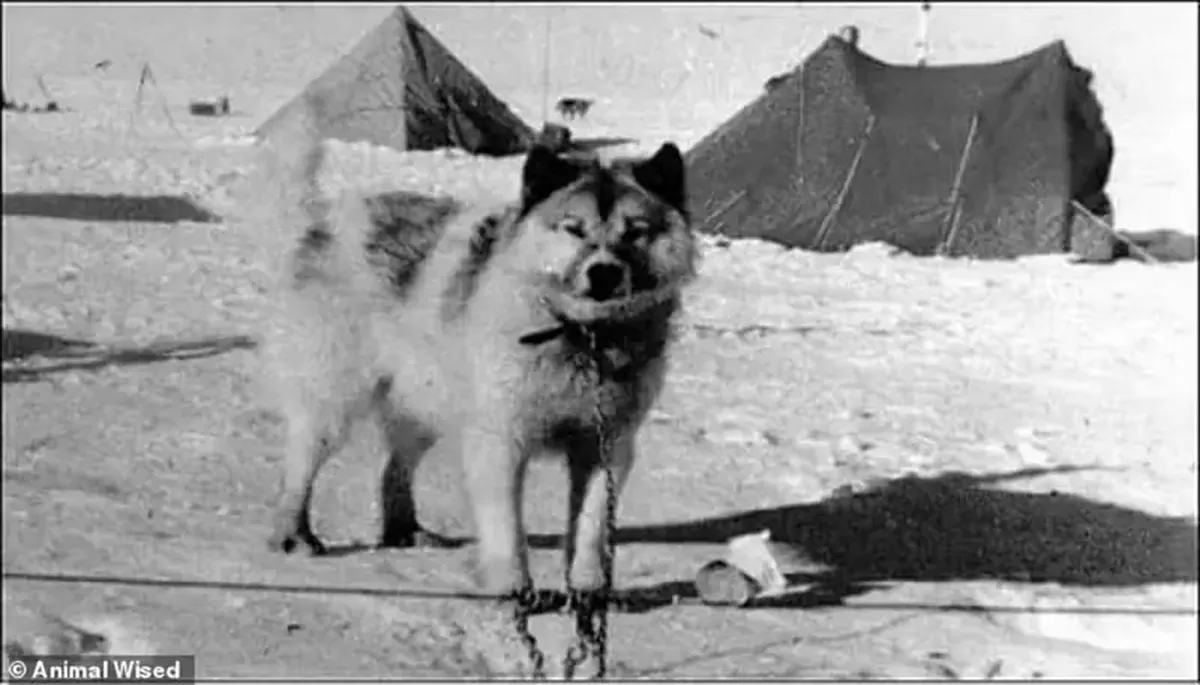
Argentinian Polar Dog – the Dog That Was Banned
Argentinian polar dogs were bred by the military in the 1950s for life in Antarctica. These sled dogs lived mainly on military bases and helped personnel explore the frozen continent, hauling cargo across long distances. The breed was created by crossing Siberian Huskies with Manchurian Spitzes; some sources also say they carried genes from Greenland dogs and Alaskan Malamutes. The dogs disappeared after 1994, when they were relocated to Argentina. They had been banned from Antarctica amid concerns they could transmit canine distemper to seals or attack wildlife. In Argentina, dogs that had spent decades in the unique Antarctic climate lost the immunity they’d developed and many died.
Alans – Fearsome Hunters Feared by Bulls and Bears
These large dogs were widespread across Europe and the Caucasus until the 17th century. In the Middle Ages they were a favored breed among the nobility, who used Alans for big-game hunting. They had a coarse head and a short muzzle. Artists often depicted Alans with muzzles, which makes sense given that these formidable dogs could take down bears and were even used to bait bulls. In the 15th century, Edward II, Duke of York, described Alans as “well-formed and stronger than any other animals for causing harm.”

