
 Gaby
Gaby
Chances are your kitchen has items that look clean but are actually breeding grounds for germs. How often should you replace kitchen towels, and is it really necessary to bleach your sink more than once a month? A cleaning expert answers those questions and more in her kitchen-care recommendations.
Handles and Buttons
Buttons and dials on kitchen appliances can harbor germs. Cleaning expert Danielle Mason says people often overlook them because they don’t seem important.
That’s a mistake: when you handle raw meat or other food, those spots can cause cross-contamination. Wipe handles, buttons, and dials with a cloth that kills bacteria.
Cleaning Cloths
Ms. Mason emphasizes that cleaning tools themselves need to be clean. She soaks her cleaning cloths in a bleach solution every evening and leaves them overnight.
 She says this lets her start fresh in the morning with cloths free of bacteria. Replace cleaning cloths every two weeks and bleach them each night.
Kitchen Sponges
Ms. Mason stresses that sponges are unsanitary because they stay damp and can carry E. coli. Even microwaving them won’t kill all the germs. Avoid using sponges whenever possible.
Kitchen Towels
Ms. Mason suggests having a fresh towel for each day of the week, because towels can harbor bacteria that spread through the kitchen. Drying pots and pans and then using the same towel to wipe surfaces is not ideal.
Cutting Boards
These kitchen accessories, especially wooden boards, can be havens for bacteria. Ms. Mason advises using color-coded boards for different types of food—keep separate boards for meat, fruit, and other foods.
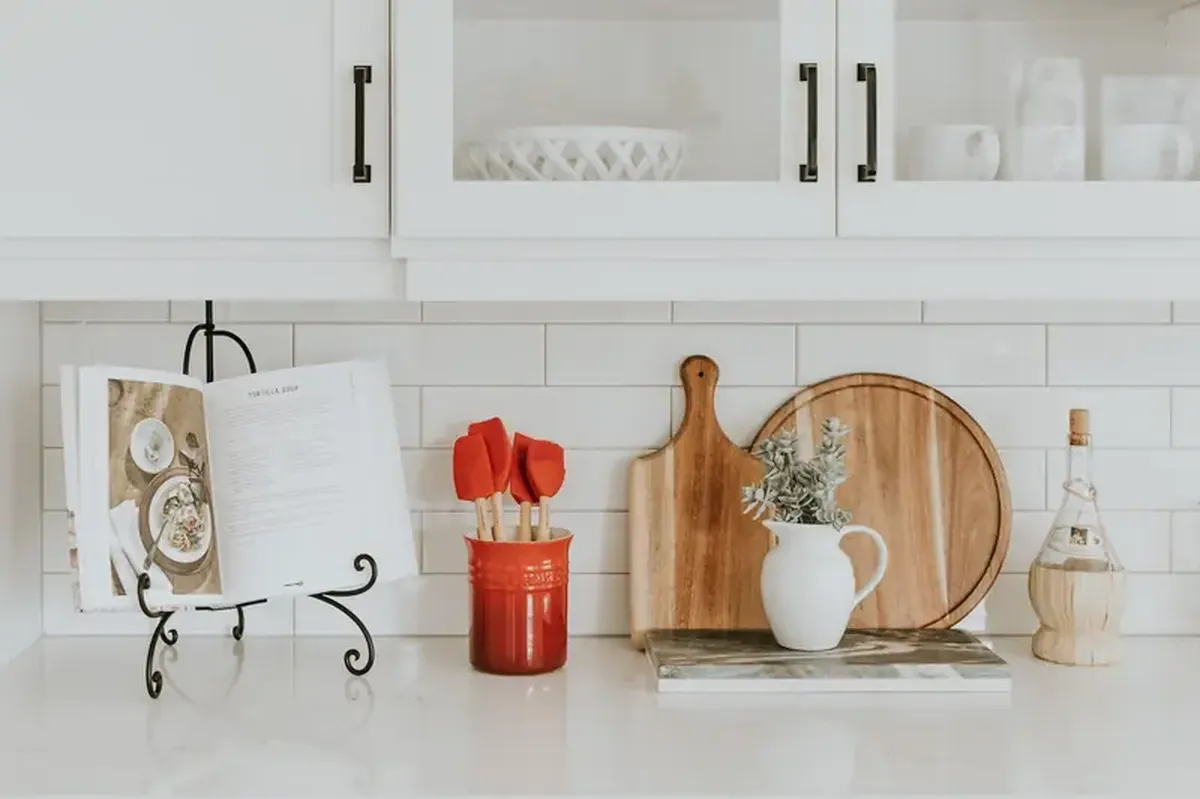 She recommends washing cutting boards in the dishwasher, where high heat can kill germs. You can also pour boiling water over them and let it sit, but such cleaning methods can damage wooden boards, so it’s generally better to avoid wood.
Kitchen Sink
The sink is a major breeding ground for bacteria. Microbial communities found in the plumbing under sinks can cause serious illnesses.
Ms. Mason says she never washes her hands in the sink or pours dirty water down it, and she recommends others follow the same rules. Keep the kitchen sink clean to prevent cross-contamination.
How to Clean the Inside of the Sink and Drain?
Use baking soda and vinegar to clean the sink. You can also use bleach, but be cautious: bleach can pool at the bottom of the sink.
Ms. Mason recommends cleaning this part of the kitchen daily. Gaps around pipes and cabinets can invite rodents, so seal small openings to keep pests out.
Refrigerators
The expert recommends deep-cleaning the refrigerator every two months. Wipe down shelves with soapy water every other day.
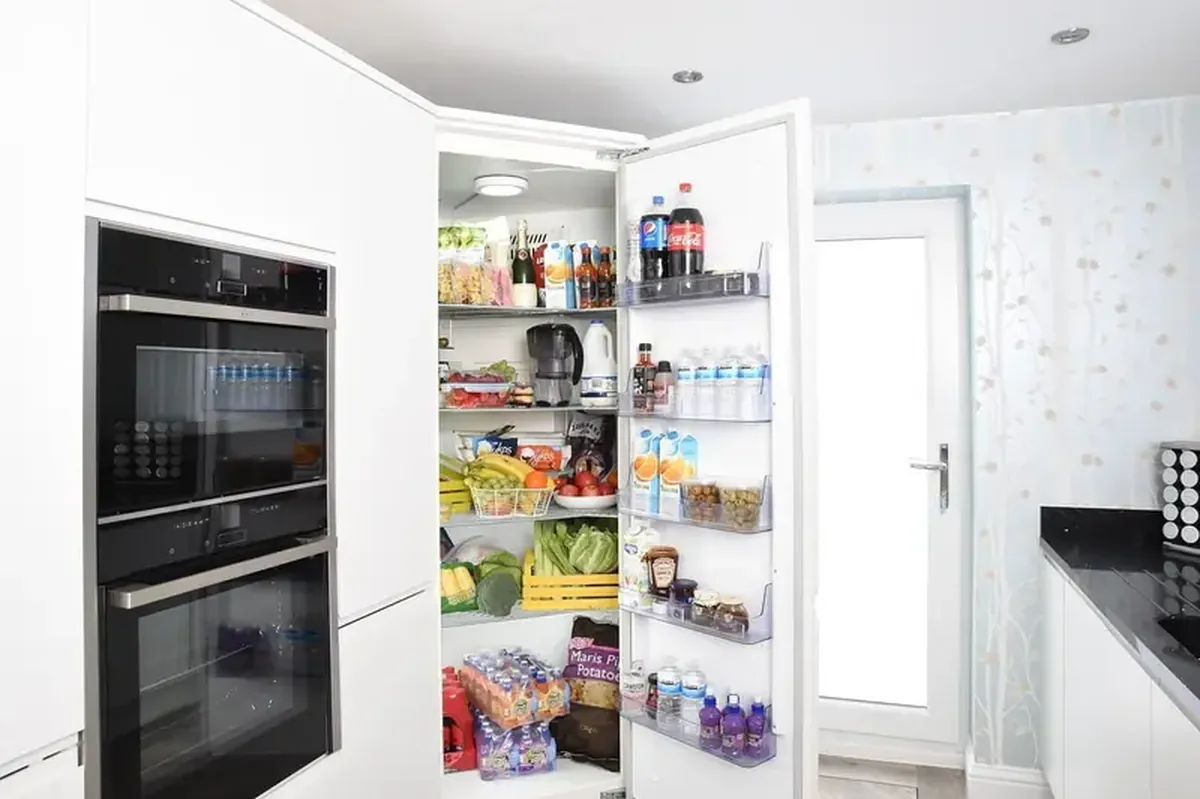 Refrigerators can be breeding grounds for salmonella, E. coli, and other bacteria. To combat unpleasant odors, Ms. Mason suggests keeping an open box of baking soda inside to absorb smells.
Trash and Waste Containers
These areas can be hotbeds for germs. Keep trash bins as far from the kitchen as possible and empty them as soon as they’re full.
Ms. Mason adds that she doesn’t keep a trash can in the kitchen; she uses a bag and takes it out by the end of the day. For those who do use a trash can, wash it thoroughly with hot water.
