
 Gaby
Gaby
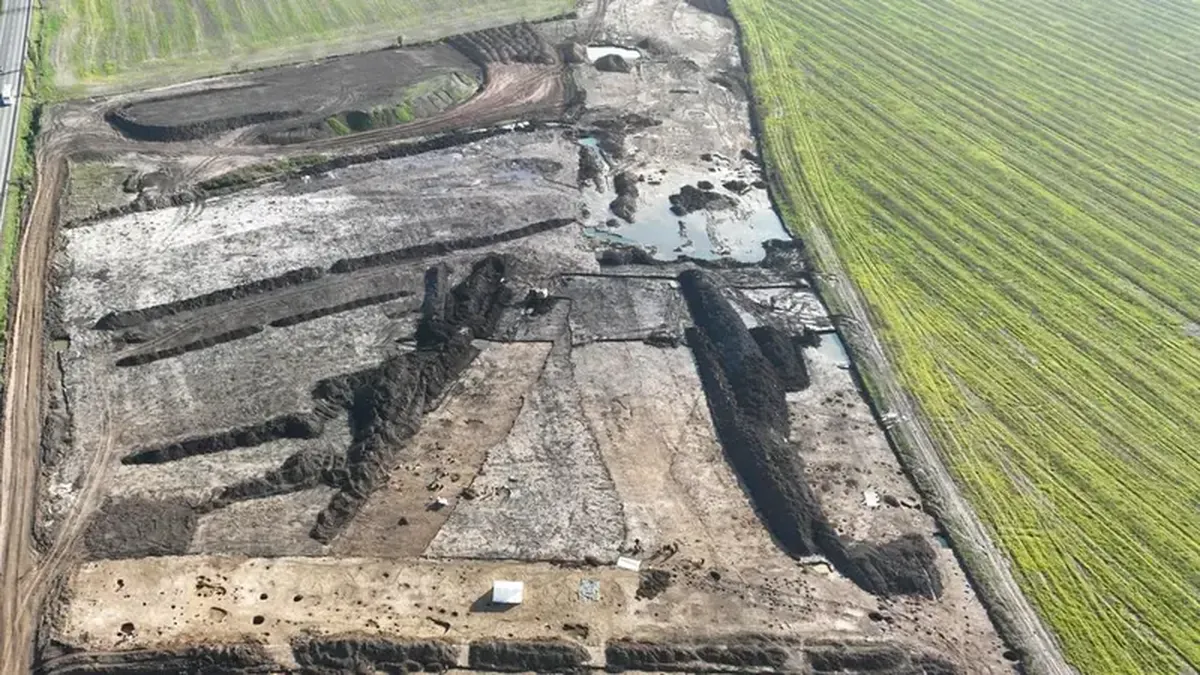
A team of archaeologists from the University of Hradec Králové, the Museum of Eastern Bohemia, and the research organization Archaia Praha has made an astonishing discovery. During archaeological surveys ahead of a highway project in the northern part of the country, the scientists stumbled upon a large Celtic settlement. This site belongs to the La Tène culture, a Celtic archaeological culture of the Iron Age (5th to 1st century BC).
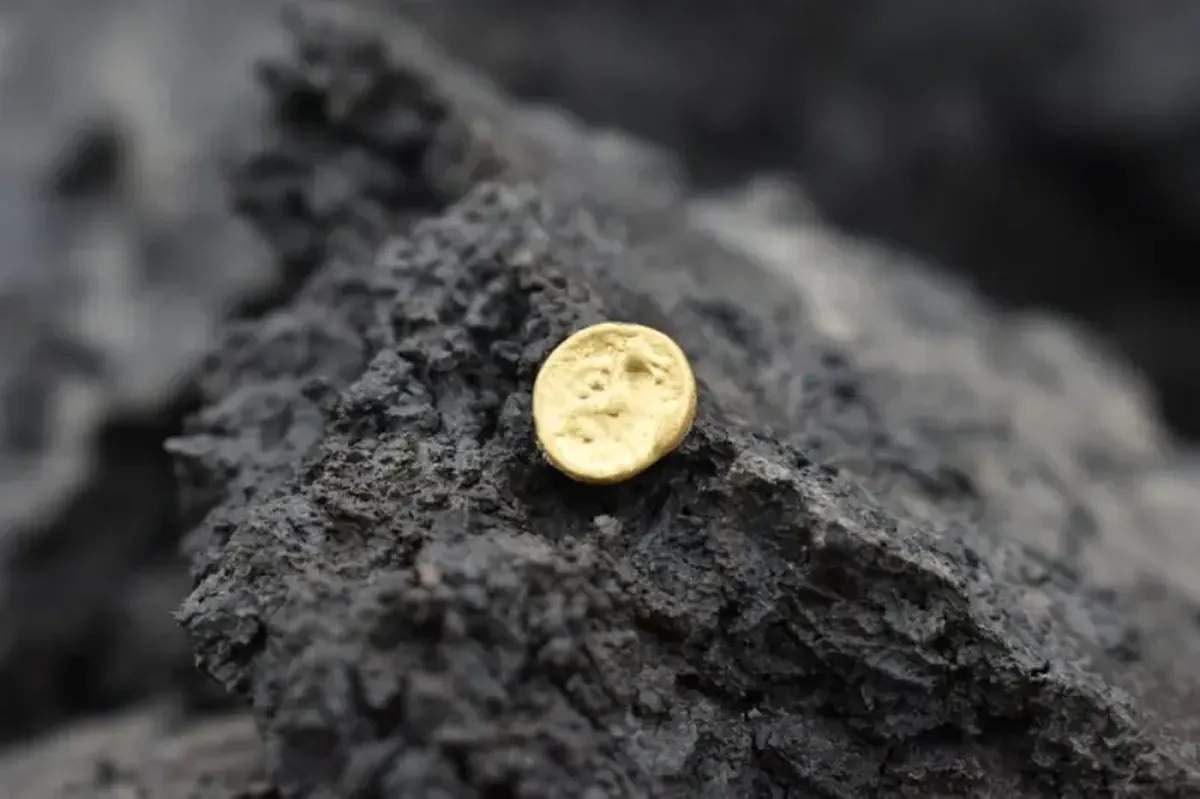
Among the 13,000 artifacts the team uncovered were numerous items of gold, silver, and amber.
The settlement, covering about 250,000 square meters, was likely home to a tribe of the Boii. The archaeologists say this “open agglomeration” served as a center for trade, production, and governance in the 2nd century BC before mysteriously disappearing in the 1st century BC.
The team found no signs of violent destruction, which suggests the settlement’s decline may have been gradual and driven by economic or environmental factors.
Gold, Silver, Ceramics, and Amber
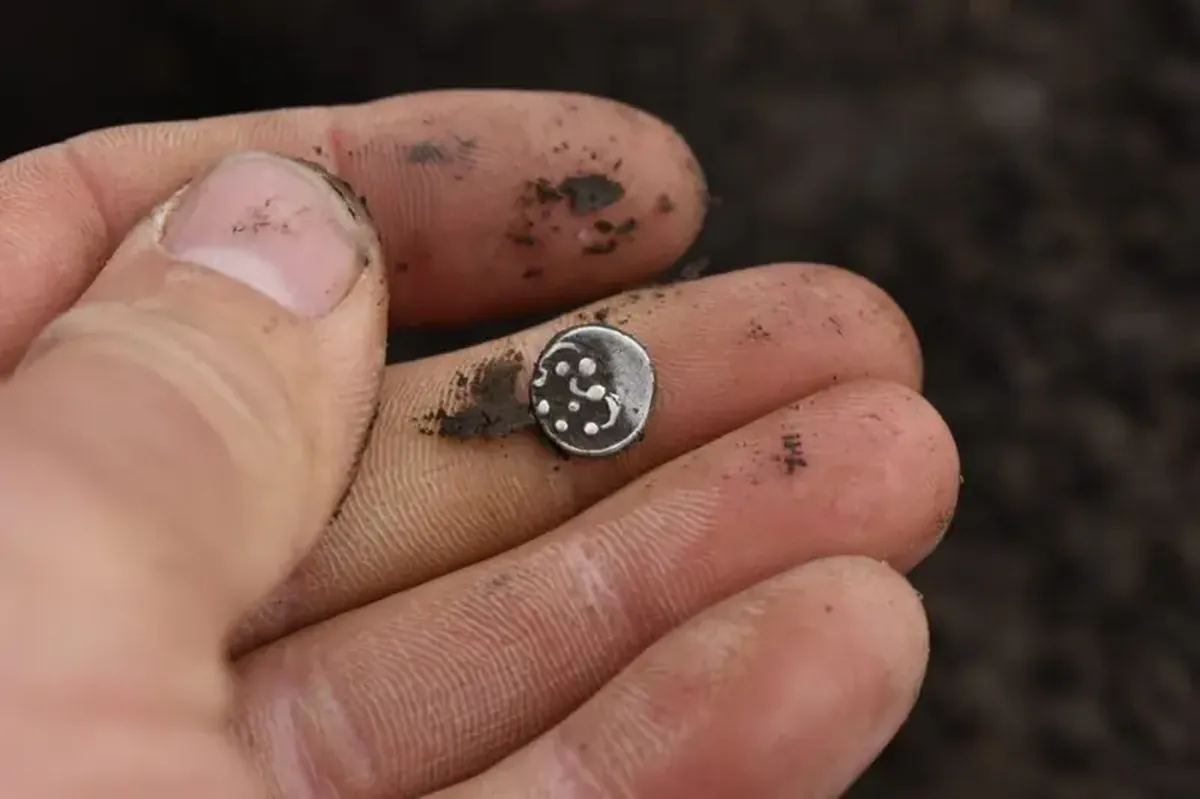
The discovery of 13,000 artifacts is an extraordinary find for excavations of a Celtic settlement in Central Europe. Among the most notable items were numerous gold and silver coins. Some of the coins were minted on-site, indicating a developed local economy.
The archaeologists unearthed molds for coin casting, further confirming that the settlement’s inhabitants produced currency locally. They also found refined ceramic vessels, metal containers, and fragments of mirrors. These objects shed light on the Celts’ domestic life, economy, and cultural practices.
Arkeonews reported that the team found an exceptionally rare ceramic shard engraved with a horse.
“The presence of amber, luxurious ceramics, and locally produced coins indicates that this was an atypical settlement. It was clearly integrated into the Amber Road, a key trade route connecting the Baltic to the Mediterranean,” said Tomáš Mangel, an archaeologist from the University of Hradec Králové.
The researchers also discovered pottery kilns, glassworking workshops, and religious shrines. All of this suggests a complex, developed community once thrived here.
Miroslav Novak of the Museum of Eastern Bohemia compared the site’s significance to major Celtic settlements in the Central Danube region and southern Germany.
Upcoming Plans for the Researchers
The main phase of excavations concluded in early 2025. However, the analysis of the findings has only just begun. The artifacts are being cataloged and studied at the Museum of Eastern Bohemia. A small exhibition will open there soon, while a more comprehensive display based on the excavation results will follow after a full assessment of the collection.
