
 Carlos Solis
Archaeologists have uncovered a sophisticated Roman-era water system beneath a hilltop fortress in southeastern Turkey.
Zerzevan sits in southeastern Turkey, near the city of Diyarbakir, atop a rocky hill that rises 124 meters. Within the castle grounds, which once served as a military settlement, you can find the last known Mithraic temple in the world. This makes Zerzevan an extraordinarily valuable archaeological and cultural site. Since 2020, the castle has been on UNESCO’s tentative list for World Heritage Sites, elevating its status as a key tourist attraction in the region.
Excavations at Zerzevan have been ongoing since 2014 as part of a project by Turkey’s Ministry of Culture and Tourism called “Heritage for the Future.” During this time, archaeologists have uncovered the ruins of a 15-meter-high defensive wall stretching 1,200 meters, a 21-meter watchtower, churches, administrative buildings, residential houses, granaries, armories, rock tombs, water channels, 63 cisterns, and an underground storage area capable of housing 400 people. The castle also features secret passages and the aforementioned underground Mithraic temple, which played a central role in religious rituals long before Christianity began to dominate in the 4th century.
An Ancient Water System That Still Amazes
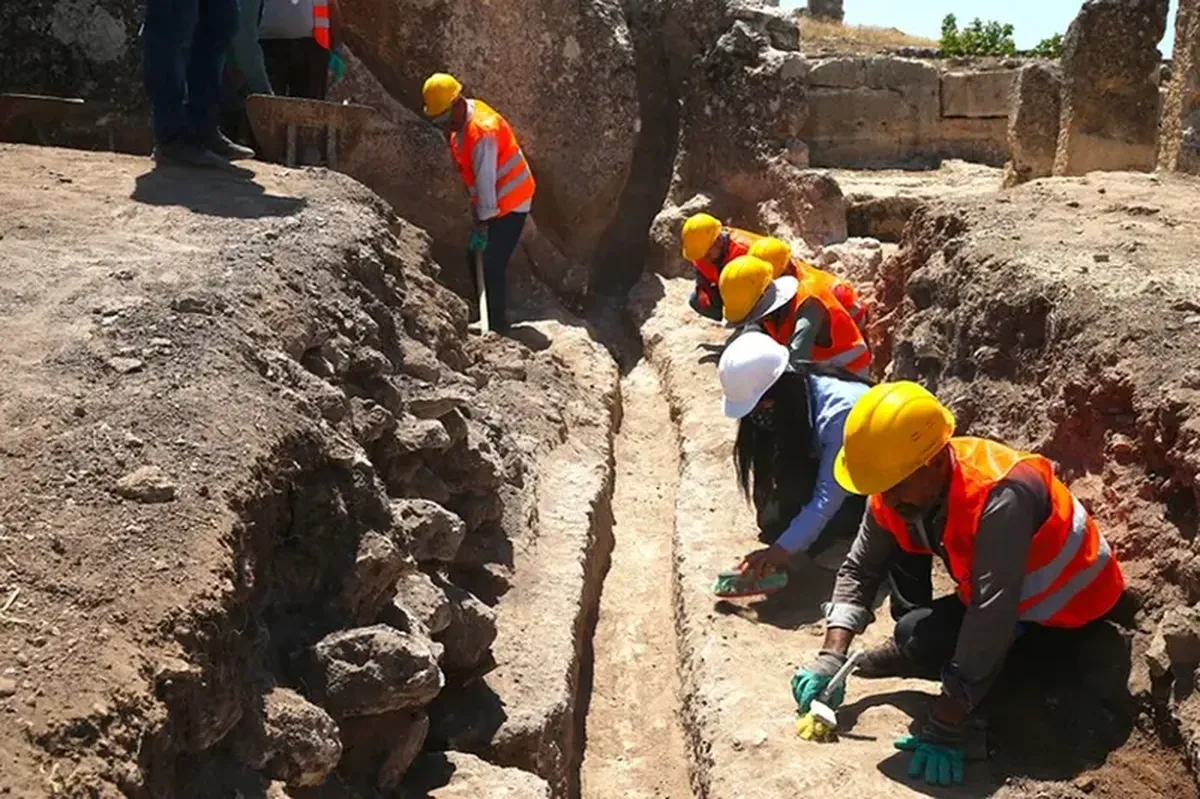
A recent discovery at the castle—a complex from the Roman era—was described by Professor Dr. Aytac Joskun, the excavation leader, as “an outstanding engineering marvel.” He said the system includes water channels that extend far beyond the castle walls, as well as an intricate network of 63 cisterns designed to collect and store rainwater and spring water.
The largest cistern, with a vaulted roof, can hold about 4,000 tons of water. It was fed from three now-dry springs located 8.5 kilometers away via a network of aqueducts and channels. For the first time, archaeologists have uncovered a distribution channel that directed water from the main cisterns to various buildings within the fortress, including residential quarters and the Mithraic temple.
The team also unearthed ceramic pipes called “cunks,” evidence that the Romans used pressurized water supply systems here. Those pipes allowed water to reach the upper levels of the castle, which was cutting-edge technology for the time. Inside the vaulted cistern, researchers found a waterfall mechanism that fed the distribution network.
A Vast Underground City with a Massive Water Supply
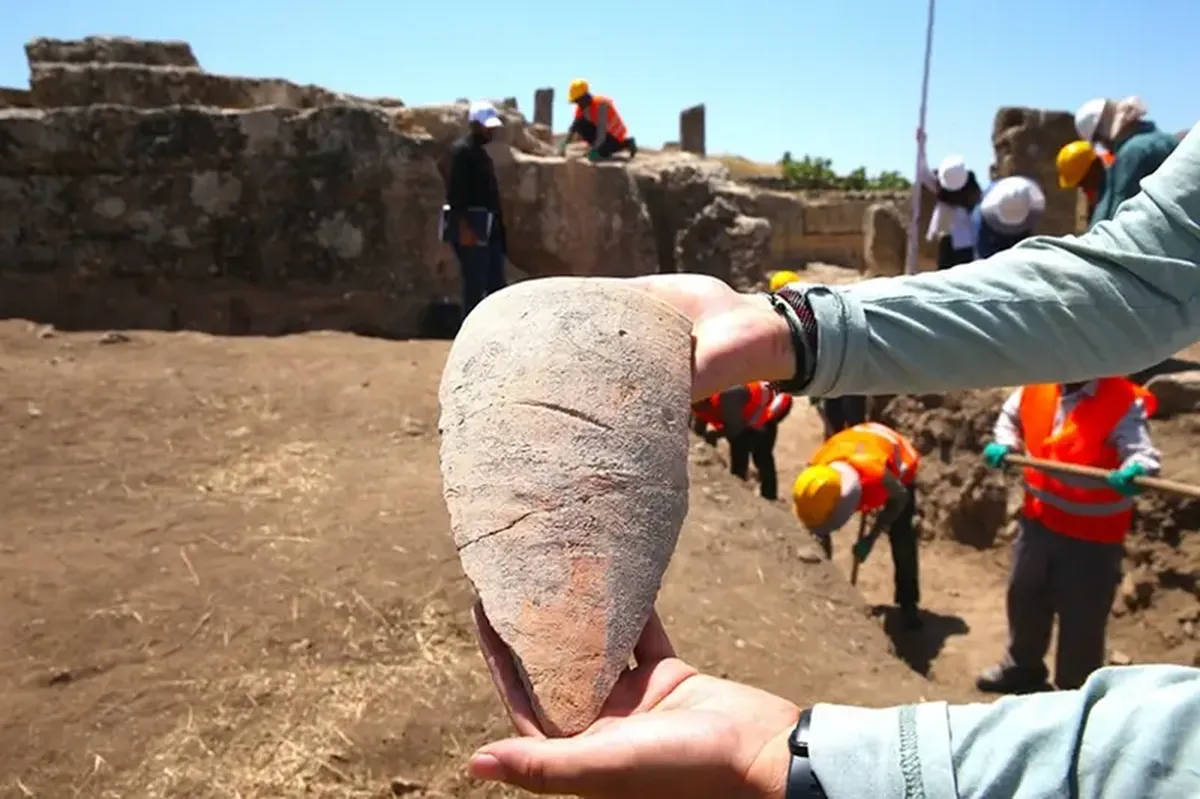
Among the findings were fragments of ancient water flasks, showing that soldiers and civilians carried water with them. Professor Joskun emphasized that the castle’s reservoir had enormous capacity: it could supply water to thousands of people for an entire year without relying on outside sources.
The fortress was designed to accommodate about 1,600 residents, but during a siege it could hold many more, providing refuge to locals seeking shelter underground. That vast underground city, with its massive water supply, helped large numbers of people survive during prolonged attacks, Arkeonews reported.
Zerzevan occupied a strategically important position between the ancient cities of Amida (modern Diyarbakir) and Dara. The castle offered a sweeping view of the surrounding area, allowing control over vital trade routes. The fortress also witnessed fierce conflicts between the Roman and Sasanian empires.
According to Professor Joskun’s team, the site’s history goes back to the Assyrian period, but the main military settlement was established here in the 3rd century AD under Roman rule. Zerzevan remained in use until the Islamic conquests in 639 AD. During the reigns of Byzantine emperors Anastasius (491–518 AD) and Justinian I (527–565 AD), the walls and structures of the castle were repaired and partially rebuilt, further enhancing its defensive capabilities.
Photo: Osman Bilgin/AA
