
 Carlos Solis
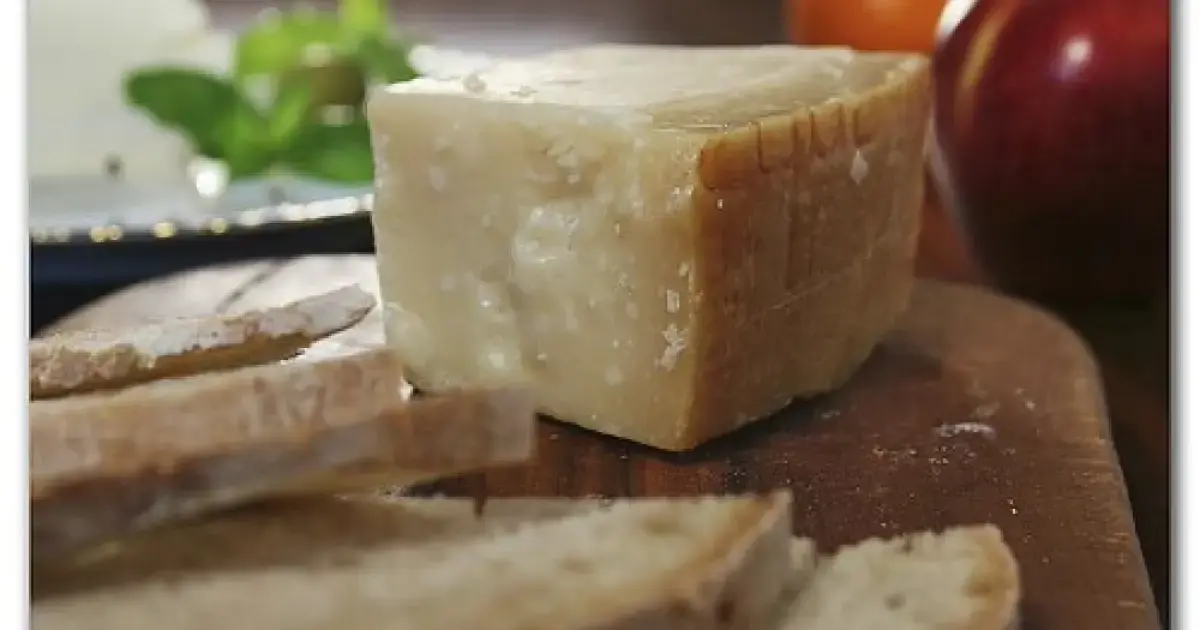 Hard Parmesan, known as Parmigiano-Reggiano in its native Italy, has long been a staple in many kitchens. Its aroma, sharp flavor, and unique texture set it apart from other cheeses.
But this beloved cheese hides a secret not every fan wants to know.
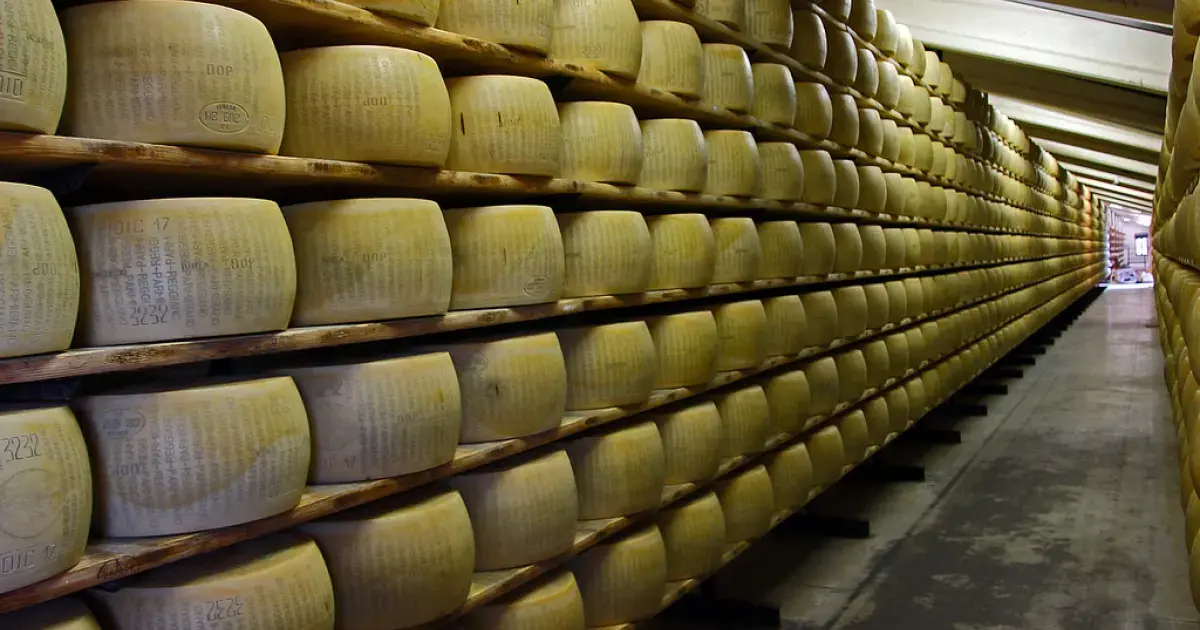
The Shocking Truth About Parmigiano-Reggiano
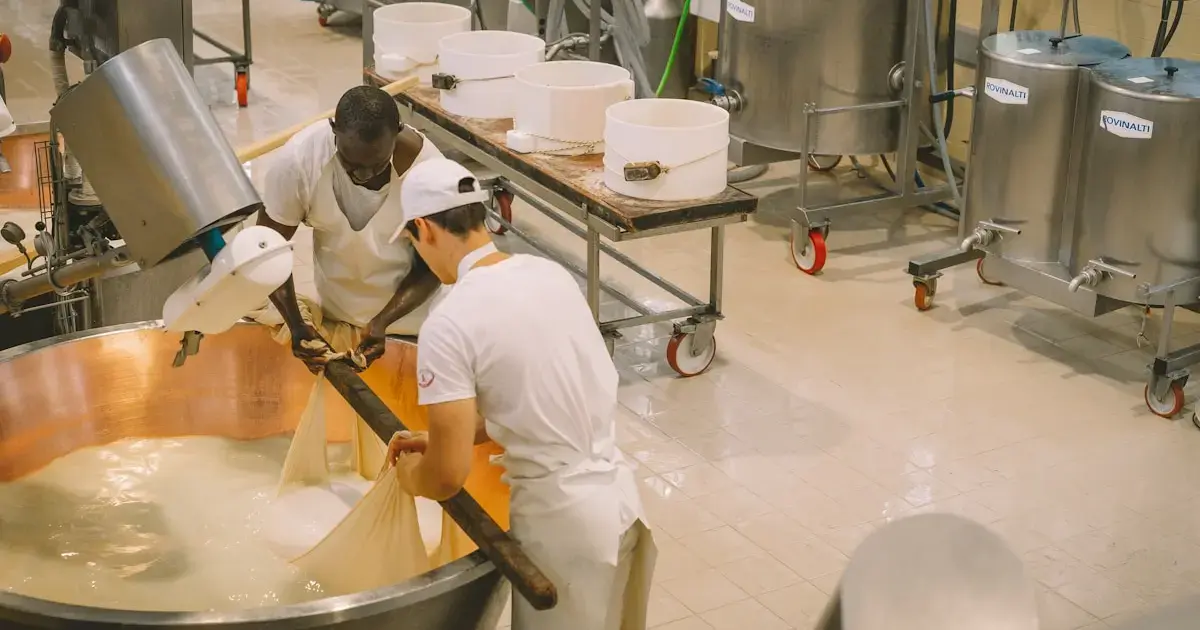
Parmesan is traditionally made from cow’s milk. It takes at least 16 liters of milk to produce just one kilogram of cheese. The cheese is aged in copper vats for 12 to 36 months. Depending on the aging period, Parmesan can be classified as fresh, aged, or very aged.
At the beginning of the process, the milk is heated, and ingredients such as whey and rennet are added to the milk. It’s rennet that often raises eyebrows among vegans, vegetarians, and anyone queasy about enzymes from a calf’s stomach.
“Animal rennet is derived from the fourth stomach compartment of a calf that is still nursing; rennet from lambs and kids can also be used,” explained cheese experts from Courtyard Dairy.
At this stage of life, calves are fed exclusively on milk, which means their bodies contain a lot of the natural coagulant enzyme chymosin. As calves grow older, the amount of chymosin decreases, replaced by other enzymes necessary for digesting different foods.
Chymosin helps separate milk solids from the liquid. Cheese experts say, “Rennet is crucial for forming a dense cheese and achieving the right texture.” Additionally, rennet is essential for fully developing the final flavor profile of Parmesan.
As the ranks of vegetarians and vegans continue to grow worldwide, some cheesemakers are now using plant-based rennet to produce Parmesan. However, most cheese producers still prefer the traditional recipe.
When dining at an Italian restaurant, check how the Parmesan was made before asking the waiter to sprinkle it on your pasta.
Photo: Openverse
