
 Gaby
Gaby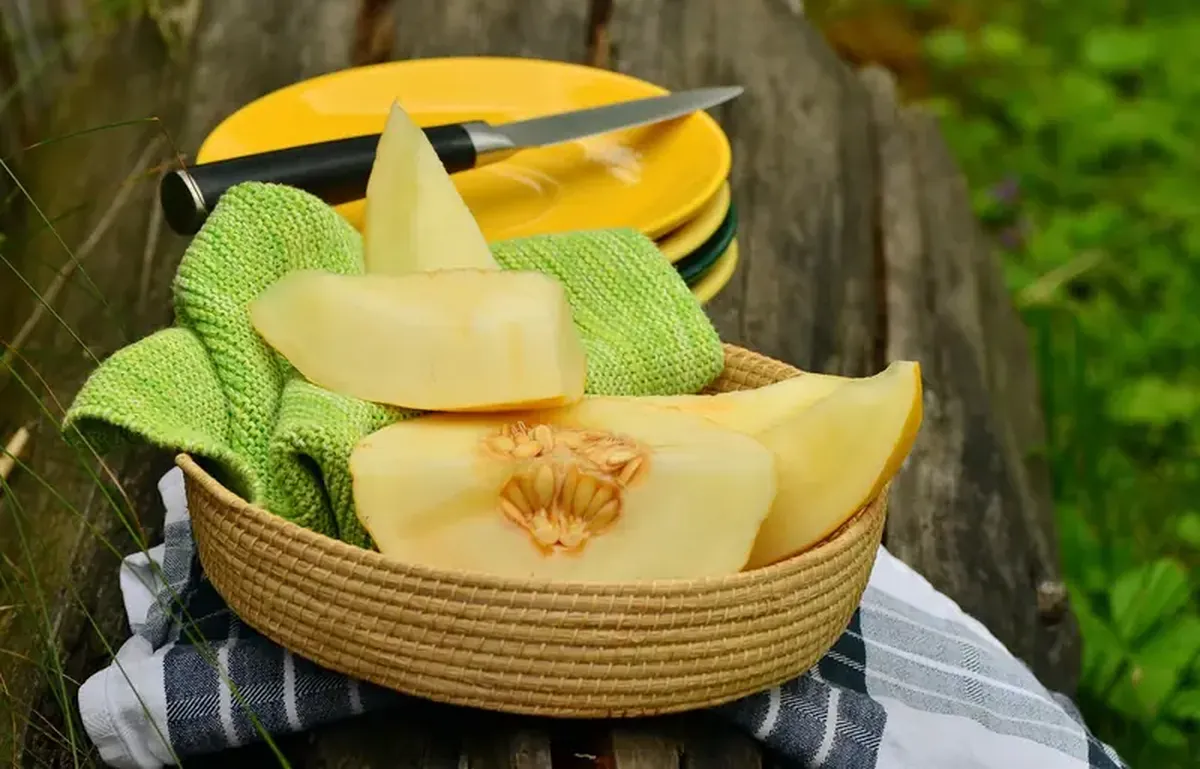
HouseWife has gathered some intriguing melon recipes and explored its health benefits.
From Wild Plant to Elite Fruit
The melon is a gourd native to Asia. In Turkmenistan, where melons have long been cultivated, there is even an official holiday—the Day of the Melon—celebrated on the second Sunday of August. Although this warm-loving plant belongs to the cucumber genus (Cucumis) and the gourd family (Cucurbitaceae), its domestication likely happened in northern India and Iran long before the Common Era.
Europeans encountered melons during the Crusades, when the first cultivation seeds were brought west. From the 16th century on, this vining herbaceous annual was actively grown in Provence. The well-known cantaloupe takes its name from Cantalupo, the papal summer residence where seeds were once grown and presented to the Pope by Armenian Catholic monks.
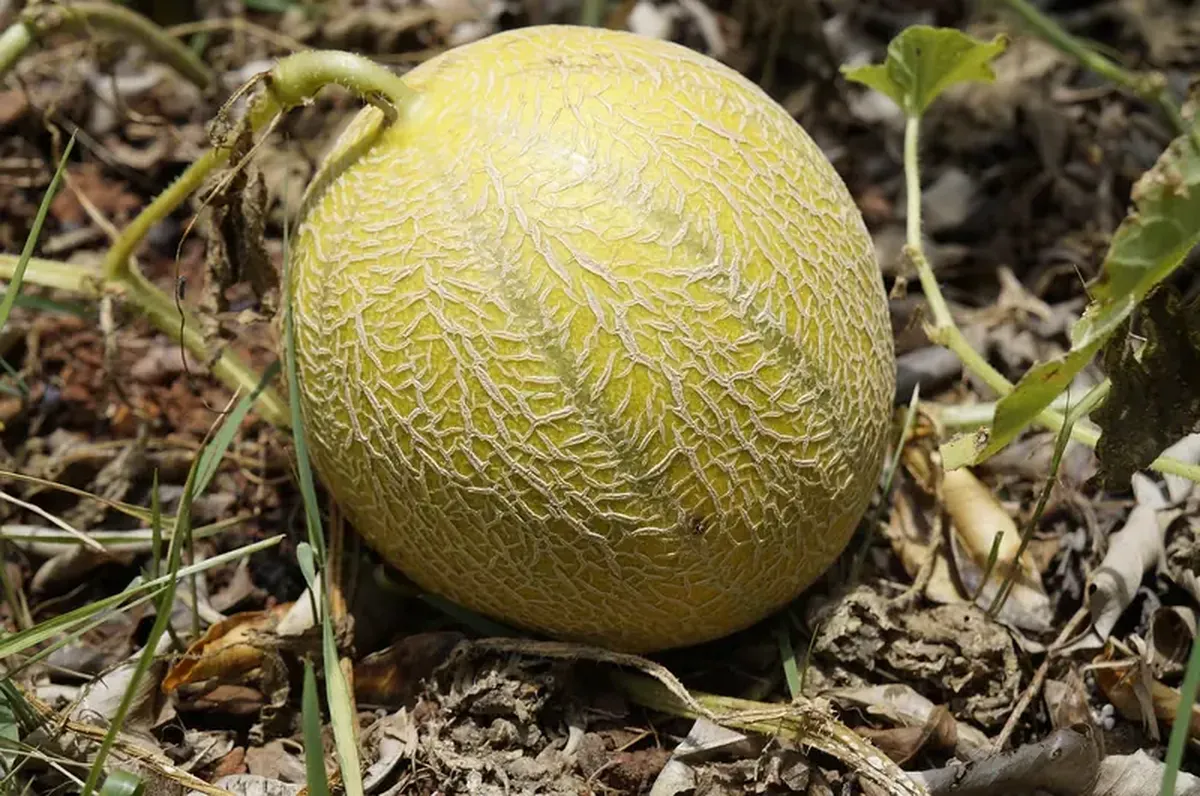
Alongside the familiar cantaloupe (recognizable by its orange flesh and light netting on the skin), many regions cultivate their own melon varieties. Some interesting types include wild melon (goat apple), snake melon (Armenian cucumber), cucumber melon, muskmelon (casaba), honey or Mediterranean melon, and the mirza or torpedo. Melons can be round, oval, or elongated, with flesh that ranges from yellow, orange, and cream to green, and skins that are smooth, netted, or even striped like a watermelon.
Health Benefits of Melon
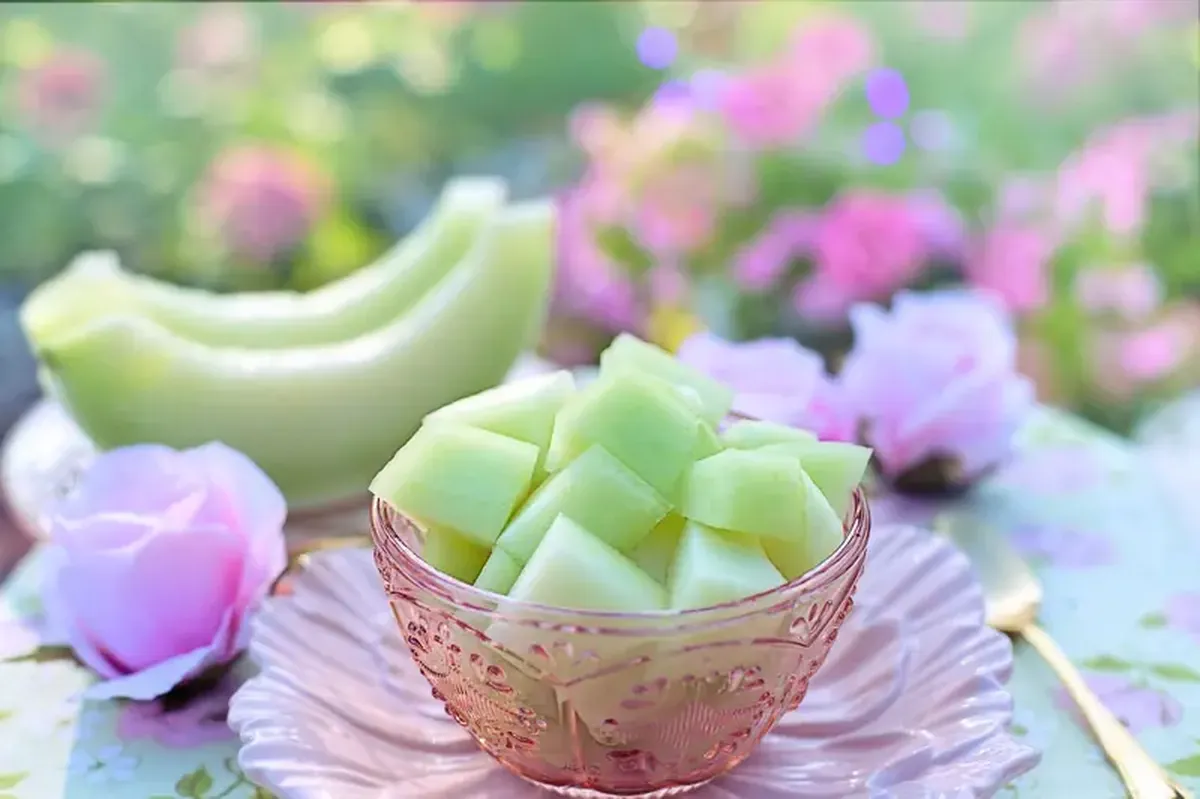
These drought-adapted fruits act as natural moisture reservoirs when water is scarce. Melon flesh is about 90% water, making it an excellent thirst-quencher. Melons also have a mild diuretic effect, which can help reduce swelling and lower blood pressure. The fruit is rich in fiber and, when eaten in moderation (up to 500 grams per day), supports digestion. Antioxidants in melon help protect cells from damage that can lead to disease.
Melon supports eye health, hair, nails, and skin. Thanks to its anti-sclerotic properties, the flesh can contribute to cardiovascular health. Melons may help in cases of anemia and exhaustion, and the fruit has been used traditionally as a mild stimulant or aphrodisiac. Melons contain vitamins A (as carotene), B3 (niacin), B6 (pyridoxine), B8 (inositol), B9 (folic acid), C (ascorbic acid), E (tocopherol), K (phylloquinone), P (the bioflavonoid rutin), and PP (nicotinic acid), as well as calcium, potassium, magnesium, sodium, phosphorus, iron, and zinc.
Regular consumption of ripe melon can boost physical performance and resistance to infections. However, avoid combining melons with dairy products or alcohol. People with low blood pressure, nursing mothers, those with certain gastrointestinal diseases, and people with diabetes should be cautious about eating melon. Excessive consumption can cause diarrhea, bloating, or heartburn, so eat melon in several portions and separately from other foods (about two hours before or after a main meal).
Caloric Content of Melon
This naturally sweet fruit is delicious raw—peeled and cut into pieces—but it can also be dried, dehydrated, or canned. Use melon to make compotes, melon honey, jams, and candied fruit. In a warm room, cut melon should not be left for more than two hours. In the refrigerator, cut melon keeps for up to three days. Melon can be frozen and stored at -18°C for a year. A whole melon will keep in the refrigerator or in a dark, cool place for up to two weeks.
In 100 grams of fresh melon there are about 35 kcal, while 100 grams of dried melon contains roughly 341 kcal. Dried melon is calorie-dense and can contribute to rapid weight gain if eaten in excess, so it’s not the best choice for those trying to stay slim. At the same time, dried fruit can be useful for athletes before intense workouts: 100 grams of dried melon contains over 80 grams of complex, slow-release carbohydrates that provide sustained energy.
Dried melon is good for bone health and skin rejuvenation because it supports collagen synthesis. Dried fruit can help dissolve and remove certain kidney stones. The fruit’s dietary fiber gently cleanses the intestines. Like fresh melon, dried or dehydrated melon benefits the nervous system, has a mild calming effect, helps relieve insomnia, and can aid stress recovery.
Dried melon may also enhance concentration and is often recommended for restoring mental sharpness during periods of fatigue.
Melon Candies
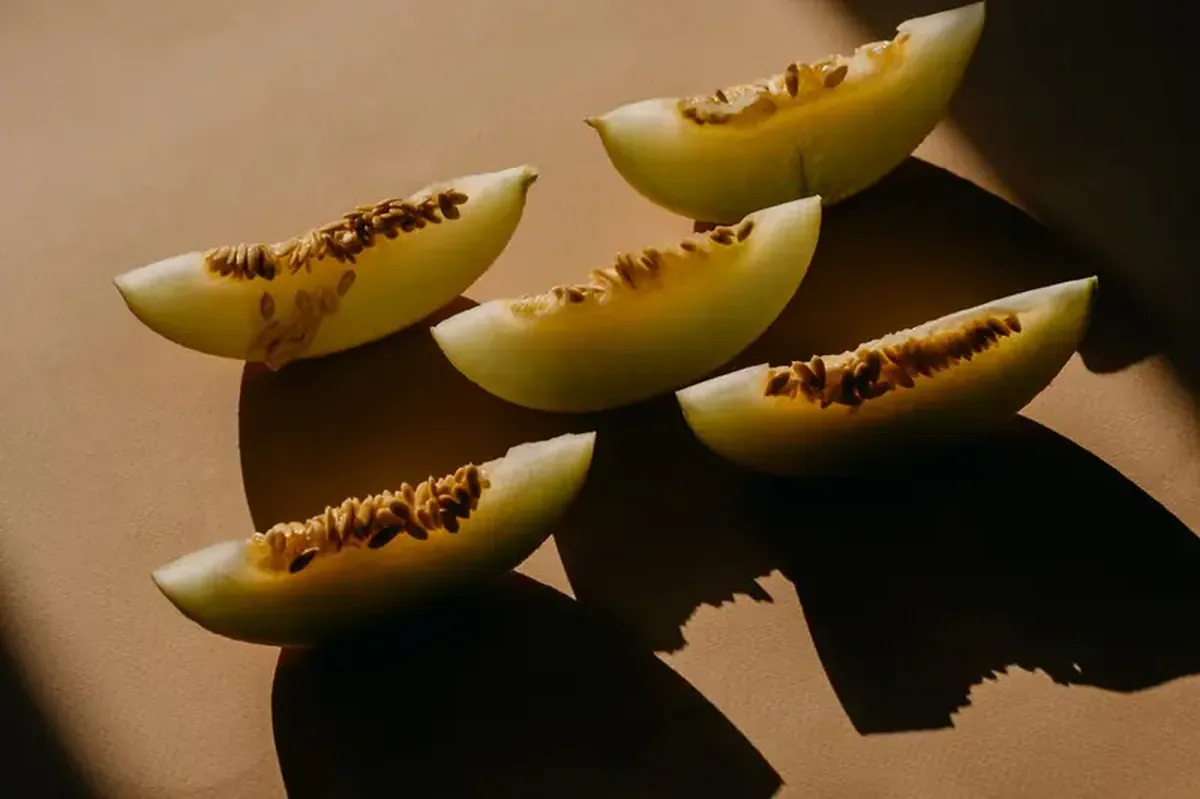
The first recipe turns melon pieces into a candy by boiling them in sugar syrup and then drying them. This standalone dessert makes a healthier alternative to many sweets and tastes similar to fruit pastes. Choose firmer melon varieties so the pieces hold their shape.
Ingredients: melon – 1.5 kg; water – 100 ml; sugar – 300 g; powdered sugar – for decoration.
Prepare the syrup: add sugar to the water and bring it to a boil. After it boils, simmer for three minutes, stirring constantly to dissolve the sugar.
Wash the melon, cut it in half, and remove the seeds. Cut the flesh into pieces; don’t make them too small, as they’ll shrink during cooking and drying.
Place the melon pieces into the hot sugar syrup and heat. Be prepared to simmer them multiple times: boil for five minutes after the syrup comes to a boil, then let the pieces cool completely. Repeat this boiling-and-cooling process up to ten times, until the liquid has mostly evaporated and the melon has absorbed the sugar.
Dry the sugared pieces on a baking sheet in an oven set to 100°C for several hours until they turn a honey color. The finished candies can be left whole or chopped and dusted with powdered sugar. Texture may vary from fully dry to soft inside.
Canned Melon
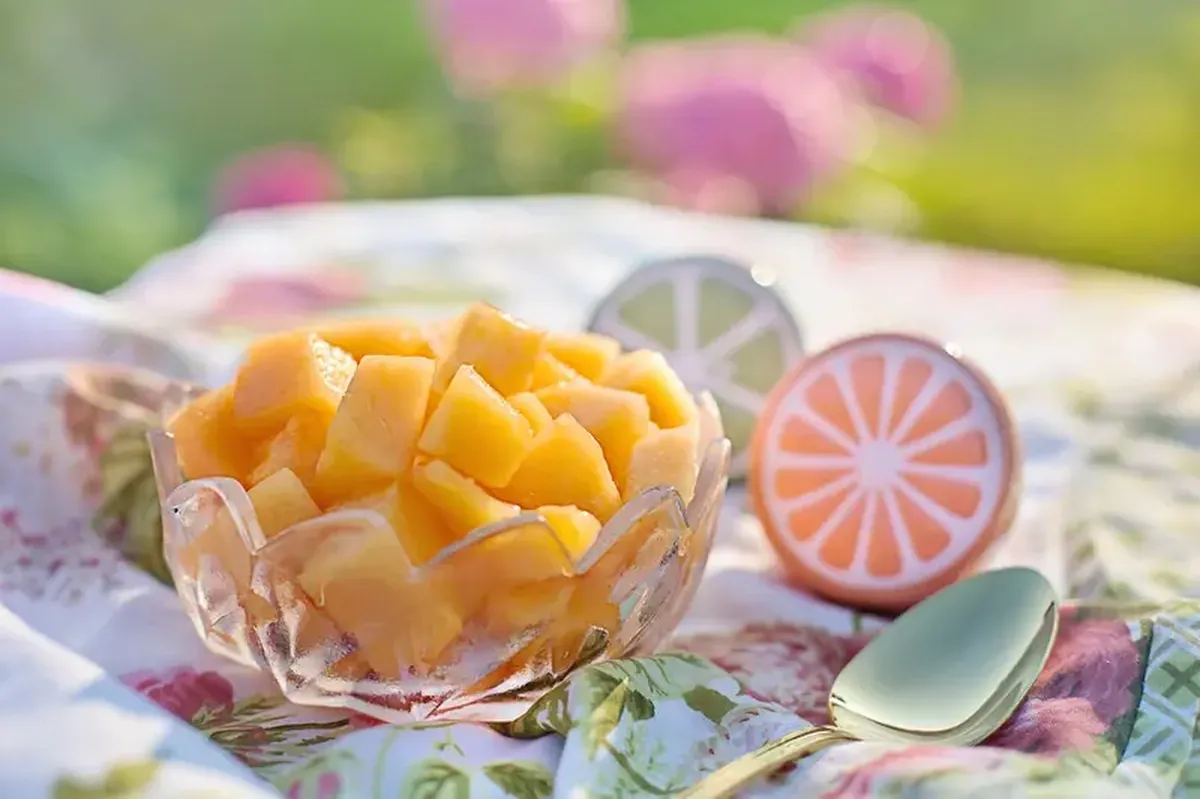
Preserve melon in jars for winter as jam, compote, pickles, or dessert in syrup to enjoy summer’s sweetness year-round.
Melon in Syrup (for Winter)
Choose ripe fruits with firm flesh so the pieces keep their shape during processing.
Ingredients: melon – 600 g; water – 400 ml; sugar – 1 cup; lemon juice – 2 tablespoons.
Add sugar to the water, bring it to a boil, and cook for five minutes, stirring to dissolve the sugar. Add the lemon juice to the syrup and mix well.
Peel the melon and remove the seeds. Cut the flesh into cubes, place them in sterilized jars, and pour the hot sugar syrup over them. Cover the jars with lids and sterilize for 15 minutes (you can do this in an oven preheated to 150°C). Screw on the lids tightly, cool the jars, and store them in a cool place. Melon in syrup is great for baking, desserts, and drinks.
Melon Jam
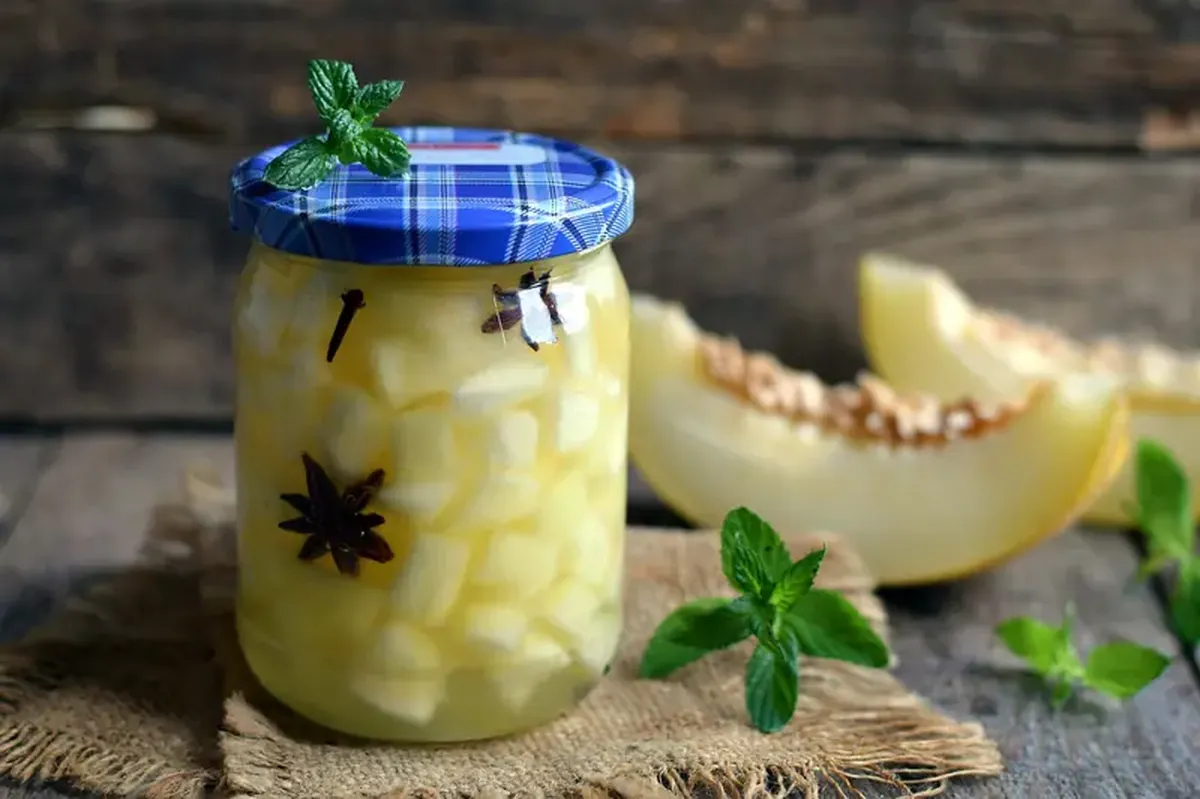
This jam recipe works even with melons that have softer, more tender flesh.
Ingredients: melon – 1 kg; sugar – 1 kg.
Cut and peel the melon, remove the seeds, then chop the flesh into 1 cm pieces and sprinkle with sugar. Let sit undisturbed for four hours, then place over low heat and cook for seven minutes. Remove from heat and let cool.
After three hours, cook it again for seven minutes, stirring. Cool once more, then cook a final time until the jam is fully ready—about 15 minutes on the last boil.
Pack the hot jam into sterilized jars and seal with sterilized lids.
Pickled Melon
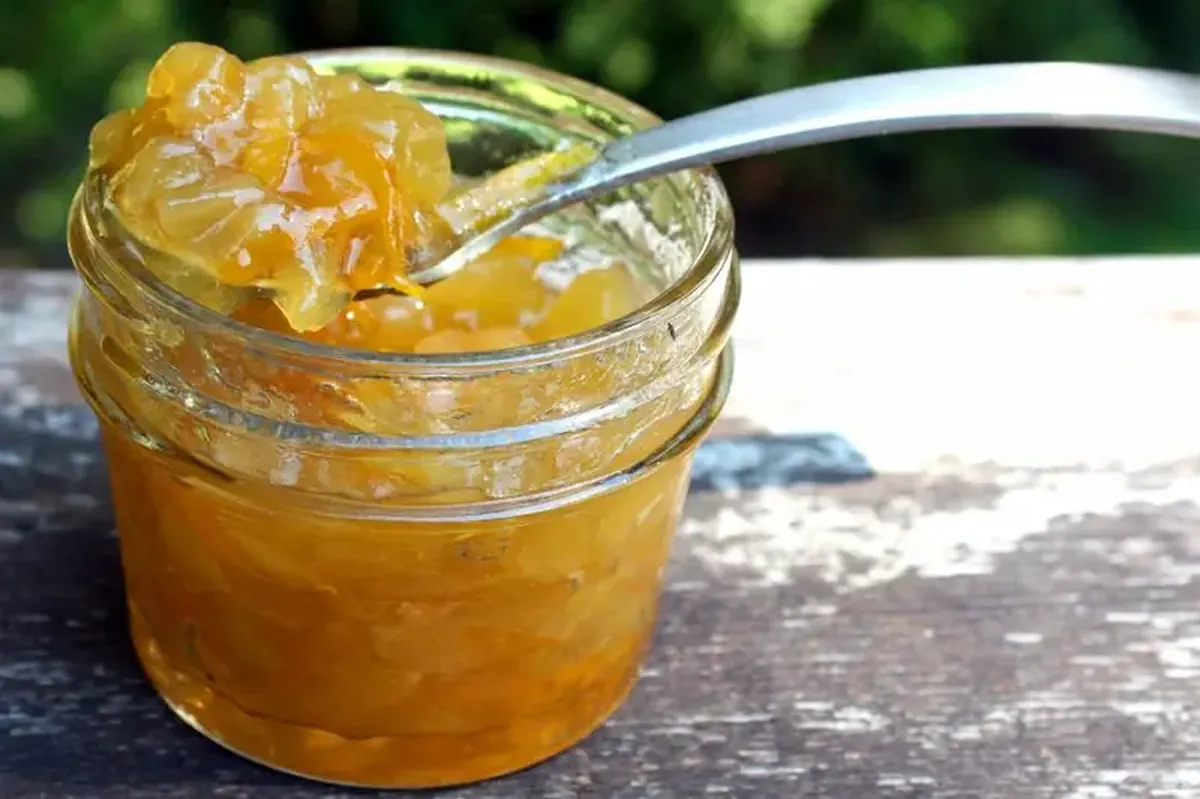
For pickles, choose ripe melons with firm flesh that won’t fall apart during processing.
Ingredients: melon – 1 kg; sugar – 120 g and, separately, 5 cups (for diluting wine vinegar); white wine vinegar – 70 ml; water – 120 ml; whole black allspice – to taste; whole cloves – to taste.
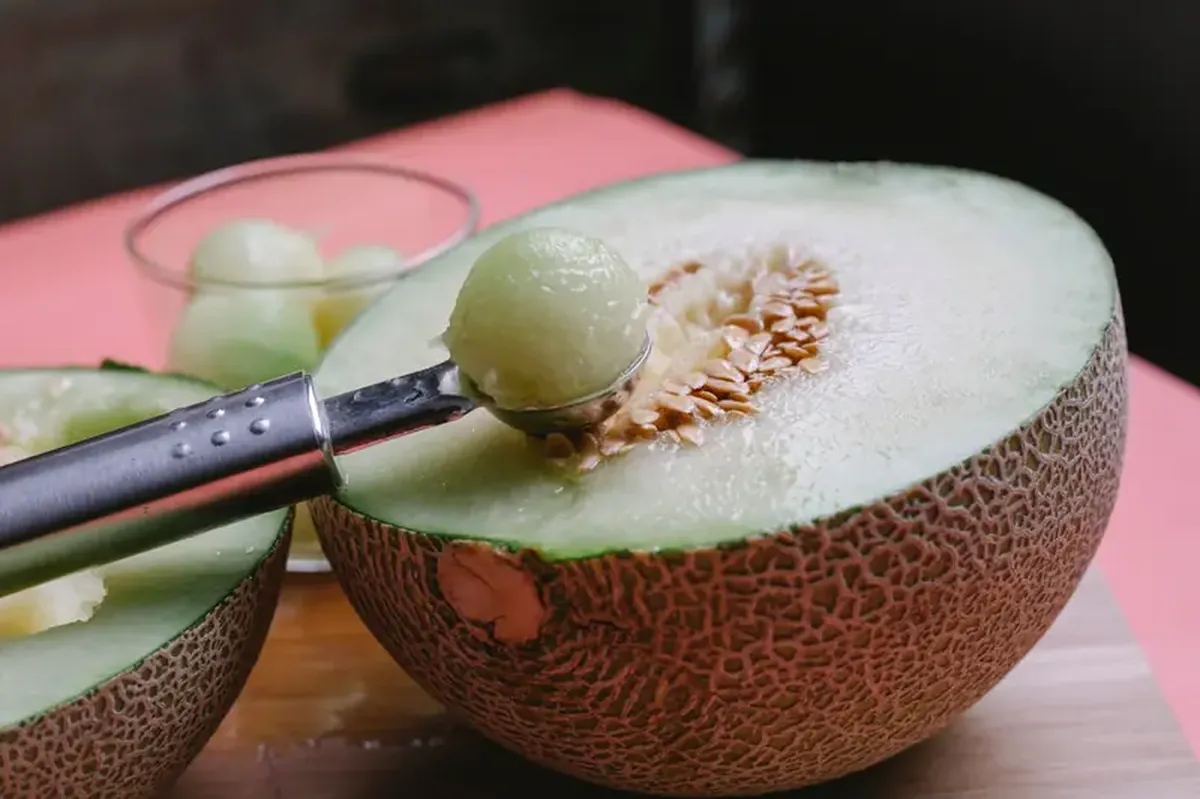
Peel the melon, remove the seeds, and cut the flesh into 3 cm pieces. For a more decorative presentation, use a melon baller to make spheres.
Press a clove bud and a whole black peppercorn into each piece. Place the pieces in a porcelain dish, sprinkle with 120 g sugar, and pour the wine vinegar over them.
The next day, strain off the vinegar, add water and the second portion of sugar (the 5 cups), and boil this aromatic mixture to make the marinade. Pack the melon pieces into sterilized jars, pour the hot marinade over them, seal the jars tightly, cool, and store in a cool place.
