
 Gaby
Gaby
Dried fruits, marmalade, marshmallows, fruit pastes, chocolate, honey, and fruit-yogurt cake—these treats won’t automatically derail your figure. Sweets with moderate sugar and light carbohydrates can be harmless or even beneficial in small amounts. Learn more about Eastern sweets and find recipes for desserts that fit a healthy approach.
“Good” Sugar
Cutting sweets out completely can leave you feeling weak and foggy. Sugar supplies quick energy to the brain, muscles, and organs. But too much sugar contributes to premature aging, weight gain, and metabolic problems, so balance is key—and how your body processes carbohydrates matters.
Chemically, table sugar (sucrose) is a molecule made from glucose and fructose. Glucose is a primary energy source for the body and supports processes involved in detoxification and in pathways that influence serotonin, the so-called “happiness” hormone. Fructose is processed differently: when it’s broken down, it can be converted to fats that act as stored energy for lean times.
Dietitians often call fruit sugar and milk sugar—fructose and lactose—”better” sugars. Foods with lower sugar content also tend to be easier on the waistline. If you plan to indulge, aim to eat sweets earlier in the day—the latest many experts recommend is around 4 PM.
The best choices are natural sweeteners like whole fruit, honey, and fruit syrups, or baked goods made from wholesome ingredients. If your goal is weight loss, consider both ingredient quality and calorie content.
Keep in mind that many healthier sweets are calorie-dense because they include nutrient-rich fats from nuts and seeds. You don’t have to give up sweets—you can simply enjoy smaller portions, make them at home, and avoid harmful additives.

Healthy Desserts
In a healthy diet, acceptable sweets are those without artificial colors, flavor enhancers, thickeners, trans fats, refined sugar, white flour, and other empty ingredients. Because you can’t always judge a product’s “inner content” from its appearance, telling healthy desserts from harmful ones requires a bit of confectionery knowledge. Two cakes that look the same can be very different nutritionally. For example, a homemade marshmallow made with apple purée, agar-agar, and aquafaba is very different from a store-bought version packed with refined sugar and additives. Here’s what to look for when choosing healthier sweets.
Marmalade
Choose natural fruit jellies that aren’t coated in extra sugar. Good marmalade is based on apple purée, gelatin or agar, and pectins that aid digestion. The main sweet component is fructose, which the body can convert into useful glucose.
Marshmallows
Natural marshmallows are made with egg whites, a little powdered sugar or alternative sweetener, apple purée, and a gelling agent. The sweet mass often relies on partially hydrolyzed starch, a more complex carbohydrate that digests more slowly. That slower digestion is why a properly made marshmallow won’t spike blood sugar the way heavily sugared confections do.
Fruit Paste
Mass-market fruit pastes often contain a lot of refined sugar and artificial thickeners. In healthier cooking, fruit paste means dried fruit purée thickened with egg whites and natural gelling agents; fruits and berries supply the sweetness. Homemade fruit paste is typically dried in the oven with no extra additives. If you use tart berries, sweeten lightly with a natural option such as coconut sugar.
Oatmeal Cookies
Oatmeal is the primary ingredient in these cookies. Oats provide complex carbohydrates that have a lower impact on blood sugar and are rich in vitamin B6, which helps the body handle stress and supports sleep. Avoid store-bought versions made with refined sugar and trans fats. Healthy cookies get their tender texture from coconut oil and sweetness from mineral-rich coconut sugar. When baking at home, you can substitute part of the sugar with plant-based alternatives like stevia, but combine stevia with other sweeteners to offset its bitter aftertaste.
Fruit-Yogurt Cake
A dessert made from fruit folded into whipped natural yogurt and set with jelly can be a lighter option. Avoid versions loaded with heavy cream, rich sponge cake, and whipped frosting if you’re trying to lose weight—those are high in fat and calories.
Dark Chocolate
High-quality dark chocolate contains antioxidant flavonoids that can slow oxidative processes, support blood-vessel health, and may help reduce cancer risk. Look for dark chocolate with about 72–80% cocoa. White and milk chocolates and bars with many additives tend to be high in sugar and vegetable fats. For comparison, dark chocolate has a much lower glycemic index than milk chocolate—about 20 versus 70—so for weight-loss plans aim for a lower glycemic option.
Choose chocolate with minimal additives (nuts, seeds, and dried fruits are fine). A simple ingredient list—cocoa butter, cocoa mass, a modest amount of sugar, and lecithin—is best. Coconut sugar is a preferable sweetener, and sunflower lecithin is a good emulsifier. Products heavy on cocoa powder rather than cocoa mass are less valuable nutritionally. Avoid chocolates that contain milk fats or artificial ingredients.
Dried Fruits
Prunes are among the healthiest dried fruits and are generally less sweet than apricots, raisins, or dates. To avoid excess calories, keep a single serving to about 30–40 grams. Dried fruits provide vitamins, minerals, antioxidants, and fiber. Fruits and berries harvested and dried at peak ripeness retain more nutrients than fruits that have been stored for a long time. Choose naturally dried fruit without chemical treatments—those that are shiny or unnaturally bright were likely treated.
Healthy Candies
Traditional treats like marzipan are naturally healthy when made simply—ground almonds mixed with a natural sweetener provide omega-3s, B vitamins, and vitamin E. Jerusalem artichoke syrup contributes fiber and amino acids, while coconut sugar offers minerals and a relatively low glycemic index. Healthy candies can include coconut confections and lightly salted caramel made without animal products, refined sugar, or white flour.
Use whole-grain flours like chickpea, amaranth, or spelt instead of refined white flour. Replace margarine—which can contain trans fats linked to heart disease and stroke—with coconut oil. If you use butter, choose a high-fat version (about 82% fat) to avoid some processed fat blends that may contain trans fats.
Honey
Honey is a natural carbohydrate and a good alternative to refined sugar. It can also help lift the mood, which makes it easier for dieters to stick to a plan.
Unusual Desserts: Quick and Easy Recipes
Here are some examples of healthier sweets you can make at home.
Chia Pudding
This protein-rich dessert has a pleasant texture and is easy to prepare. Chia seeds are nutrient-dense (about 17 grams of protein per 100 grams) and pair well with plant milk or goat milk. To make the pudding, mix chia seeds with plant-based milk or yogurt and chill overnight. Some people avoid cow’s milk because it can cause digestive issues for certain individuals. Add dried fruits, fresh berries, coconut or chocolate shavings, Jerusalem artichoke syrup, or mango purée to flavor the pudding.

Healthy “Potato” Cookies
Each serving of these treats contains about 130 calories.
For 10 cookies, you will need: 10 grams of cocoa; 50 grams each of prunes, almond flour, and oatmeal flour; and 30 grams each of unsweetened peanut butter, coconut flakes, and coconut oil.
Blend the prunes, coconut oil, peanut butter, and cocoa in a food processor, then add the remaining ingredients and blend again.
Shape the mixture into balls or bars. Chill the formed treats in the refrigerator for a few hours, then roll them in cocoa powder and coconut flakes before serving.

No-Bake Beet Cake
The cake provides about 400 calories per serving.
For 4 servings, you will need: half a beet, 80 grams of dried apricots, grapefruit (2 tablespoons of juice and zest), 15 grams of almond milk, 2 tablespoons of coconut oil, 30 grams of Jerusalem artichoke syrup, 25 grams of soaked walnuts, and 150 grams of cashews.
Blend the dried fruits with the walnuts in a food processor. Grease a round mold with coconut oil and press the mixture in to form the base, flattening it evenly.
Blend the cubed beet with the remaining ingredients, spread this layer over the base, and press flat. Refrigerate the cake overnight to set.
Apple Crumble
This dessert is about 350 calories per serving.
For 4 servings, you will need: 1 kg of apples, an orange, 100 grams of oatmeal, 50 grams each of coconut flakes and nuts, 30 grams of coconut oil, 40 grams of honey, and a sprig of rosemary.
Sauté the diced apples briefly over low heat with the rosemary, orange zest, and orange juice.
Make the crumble topping by mixing oatmeal, melted honey, coconut flakes, and coconut oil. Sprinkle it over the apples and nuts in a baking dish. Bake for 30 minutes at 180°C.
Long-Lasting Gingerbread
This recipe follows old-fashioned methods that used only natural ingredients. Traditionally, honey—more accessible than imported sugar—was used in gingerbread dough made from coarse flour. Honey acts as a natural preservative, so the gingerbread could keep for weeks without losing quality.
Gingerbread Dough:
- The dough should be cooked, not raw.
- Traditionally the dough is made from low-grade rye flour rather than wheat flour.
- Mix the dough with honey and sour cream—without added sugar or molasses.
- Use butter only; do not use margarine or vegetable oil.
- Add ground nuts, dried berries, or chopped dried fruits such as prunes, raisins, apricots, or dates.
- Do not use artificial leaveners; a small amount of strong alcohol (for example, 4 tablespoons of vodka per 1 kg of flour) can be used instead.
Gingerbread Filling:
- The filling can be thick fruit preserves, grated zest, or chopped nuts.
- Place the filling between layers of dough and pinch the edges to seal.
Spice Mix
Traditionally, gingerbread is flavored with a mix of spices and aromatic herbs—anise, cardamom, cinnamon, cloves, almonds, ginger, vanilla, star anise, coriander, nutmeg, lemon or orange zest, and black or red pepper. Aim for about 2 teaspoons of a ground spice mix per 1 kg of liquid gingerbread dough.
Classic Gingerbread Recipe
You will need: 1 cup of flour, half a cup each of honey and chopped candied orange peel, 2 cups of strawberry or apricot jam, 50 grams of softened butter, 1 tablespoon of vodka, and 1 teaspoon each of baking soda, lemon juice, and ground dried orange zest.
Put the honey in a pot, add water, and heat to about 75°C (do not boil). Add half of the flour and the ground spices. Cool the mixture, then add high-fat sour cream (about 200 grams per 1 kg of flour), eggs, and the remaining flour. Add half a cup of rye flour first and the second half after mixing to reach the right viscosity. Mix quickly to avoid lumps. Knead for about half an hour until the dough is pliable, not stiff.
Shape the gingerbread quickly and bake for 20 minutes at 180°C. The cookies will firm up as they cool, and their flavor improves with time. Store them up to a month in a closed box with a few pieces of dried apple to keep them from drying out.

Eastern Sweets
Many Eastern confections rely on honey, dried fruits, spices, and nuts and tend not to be overloaded with refined sugars—though there are exceptions, like some halvas and rose jellies.
Dried Figs, Dates, Dried Apricots
Eastern dessert recipes may be unfamiliar to home cooks, but imported dried fruits are widely available. Their value comes from soluble fiber and natural sugars, plus phytonutrients, vitamins, and antioxidants. Dried figs are particularly nutrient-dense, offering fiber, potassium, iron, magnesium, phosphorus, manganese, calcium, sodium, vitamin A, B vitamins, and vitamin K. In folk medicine, figs have been used for coughs, bronchitis, constipation, and certain sexual complaints. Dried dates, figs, raisins, and apricots store well and make convenient additions to desserts, drinks, and salads.
Halva
Traditional Central Asian halva is made from honey, cream, pine nut oil, pistachios, walnuts, almonds, and cashews.
Churchkhela
This confection is made from grape or fruit purée (about 60% of the mix), corn flour (about 30%), and nuts (about 10%), typically walnuts, hazelnuts, or almonds.
Turkish Sweets: Recipes
Consumed in moderation, Eastern desserts can be part of a regular diet. They are traditionally thought to support immunity, digestive health, and overall vitality, and homemade versions are often rich in nutrients that benefit skin and hair.
Rahat Loukoum
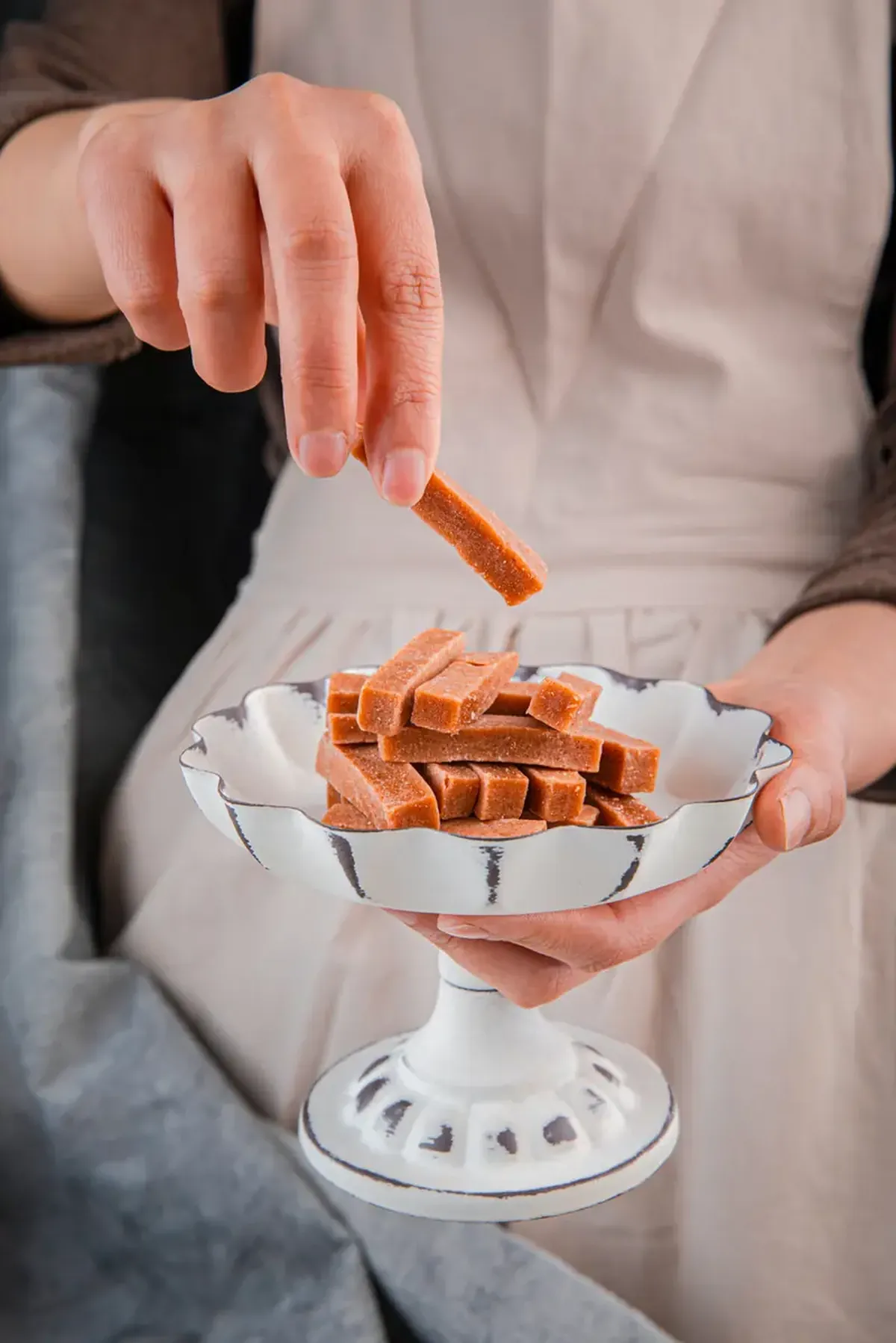
Rahat loukoum, known in English as Turkish delight, literally means “piece of pleasure.” Its natural sugar content gives it a soft sweetness that supports brain function and nervous-system activity. Classic loukoum varieties include plain, honey, fig, fruit, nut, and floral flavors.
For this recipe (about 400 grams of sweets), you will need: 200 grams of honey, 500 grams of oranges, one cup of cornstarch, and 200 ml of water.
In a thick-walled pot, dissolve the water and honey. In a separate bowl, squeeze the juice from the oranges and add it to the pot. Stir in the cornstarch. Place the pot over heat and stir constantly until the mixture boils and thickens. After it comes to a boil, simmer over low heat for another 10 minutes until the mass looks sticky and shiny. Transfer it to a rectangular mold or bowl at least 2 cm deep, smooth the surface, and cool. After about 15 minutes the mixture will firm up. Cut it in the mold into 2×2 cm squares, roll the pieces in cornstarch or coconut flakes, and serve with mint leaves.
Kozinaki
Kozinaki are seed-based confections popular with children. The classic Turkish version can be boosted with local superfoods.
You will need: 300 grams of sugar, 50 grams of sesame seeds, and 100 grams each of sunflower and pumpkin seeds.
Toast the seeds, then melt the sugar in a thick-bottomed pot over low heat, stirring until the crystals fully melt. Add the toasted seeds, mix well, and spread the mixture in a 2-centimeter layer on parchment to set.
Enjoy Eastern desserts with a fermented milk drink or a cup of traditional tea.
