
 Carlos Solis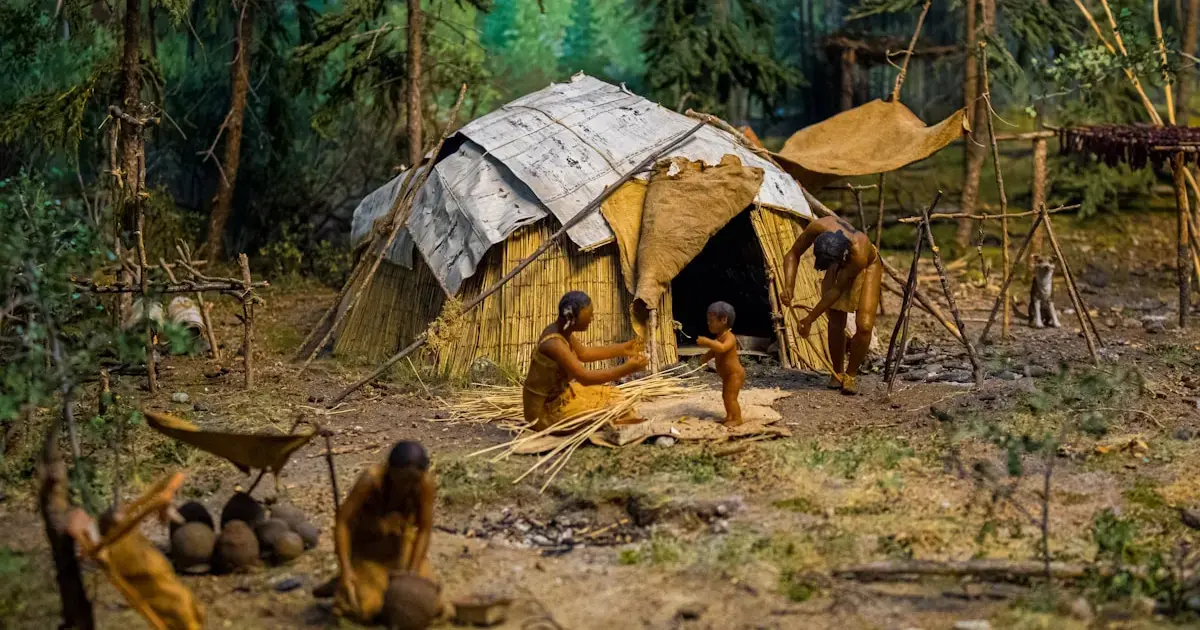
According to a new study by geneticists at the University of Bologna, the secret to living to 100 may lie in having more DNA from hunter-gatherers.
The team analyzed the genomes of more than 1,000 Italians, 333 of whom reached 100 or older. They compared those genomes with prehistoric groups, including Bronze Age herders and Neolithic farmers from the Near East.
The analysis revealed that modern centenarians had a greater genetic affinity with Mesolithic Western European hunter-gatherers. This ancient group lived in Europe 14,000 to 9,000 years ago, after the Ice Age, and was described as having dark skin, light eyes, and a robust physique.
In a warming climate, the group focused on gathering roots and hazelnuts and hunting deer.
“Our analysis is the first to show that long-lived individuals exhibit greater genetic affinity with Western European hunter-gatherers,” the team wrote in the journal GeroScience. The team wrote that this “pre-Neolithic genetic component” contributes to longevity today.
The team also found that people who had already reached 100 carried significantly more mutations linked to the hunter-gatherer era. No other genetic factors appeared to be associated with longevity.
The mechanisms behind these findings need more investigation; it’s still unclear how this DNA influences lifespan.
Hunting and gathering played a crucial role in human history, and existing data suggest this lifestyle goes back about two million years. Before hunting and gathering became dominant, early humans mostly fed on predators’ leftovers and gathered wild plants, insects, and honey.
Hunter-gatherer groups typically ranged from small family units to larger bands of around 100 people. In search of food, they often moved around, according to the Daily Mail.
Despite the spread of agriculture about 12,000 years ago, many hunter-gatherer behaviors have persisted. As recently as 500 years ago, hunter-gatherers still lived in parts of Europe and across the Americas.
Since then, their numbers have fallen sharply. Today very few remain; one such group is the Hadza people in Tanzania.
Recent medical and scientific advances have helped more people reach 100 than ever before.
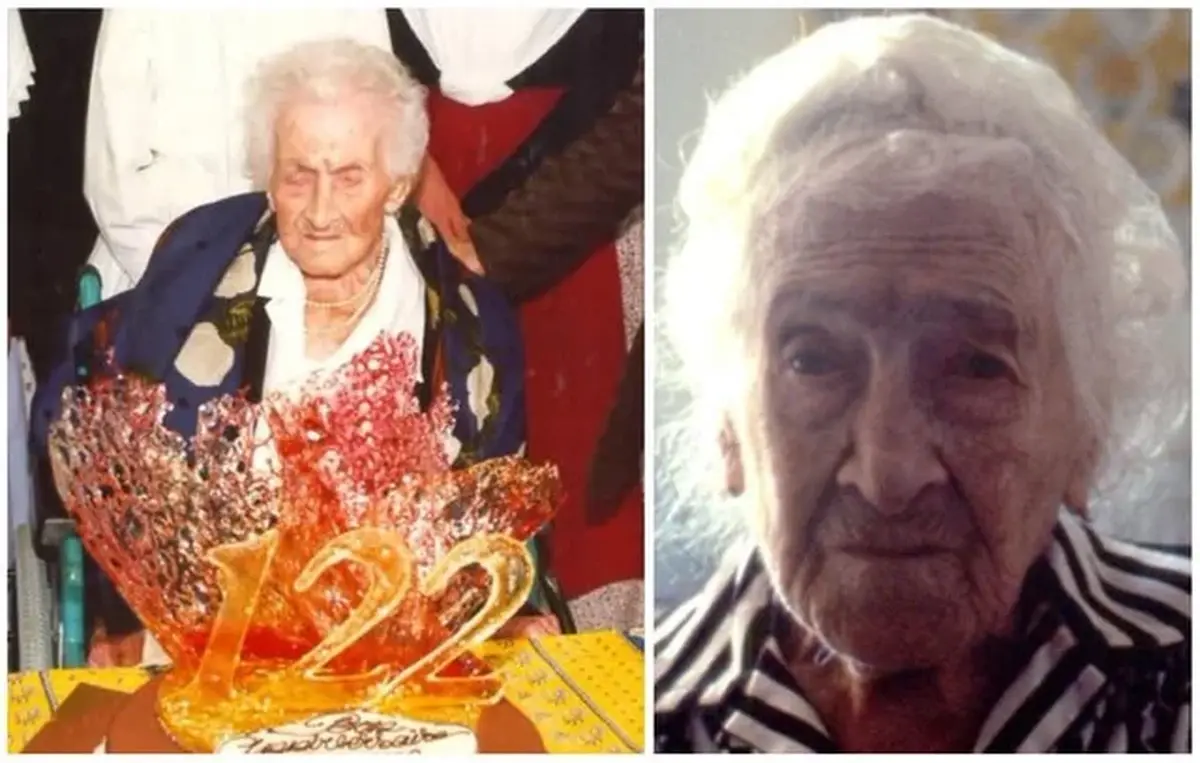
Jeanne Louise Calment
The title of the oldest person ever to live belongs to Frenchwoman Jeanne Louise Calment, who lived for 122 years and 164 days.
Scientific evidence shows that an active lifestyle—even just daily walks—helps longevity. Studies also indicate that social interaction affects lifespan, while loneliness can shorten it.
Photo: Unsplash
