
 Gaby
GabyA team from the École Polytechnique Fédérale de Lausanne (EPFL) in Switzerland found that deodorants and other personal-care products can pollute indoor air much like outdoor smog. These products use a mix of ingredients to mask body odor, prevent sweating, moisturize skin, and add pleasant scents. To do that, the cosmetics industry relies on hundreds of chemical substances. What’s worrisome is that some of these chemicals pose a direct health risk, and even those considered less harmful can react with other substances indoors to form new pollutants with unknown toxicity.
What did the researchers discover? The team bought a spray deodorant, hand cream, roll-on deodorant, perfume, and hairspray, then ran a series of experiments with them. After studying the emissions from these popular personal-care products and the reactions they undergo in typical indoor environments, the researchers were taken aback.
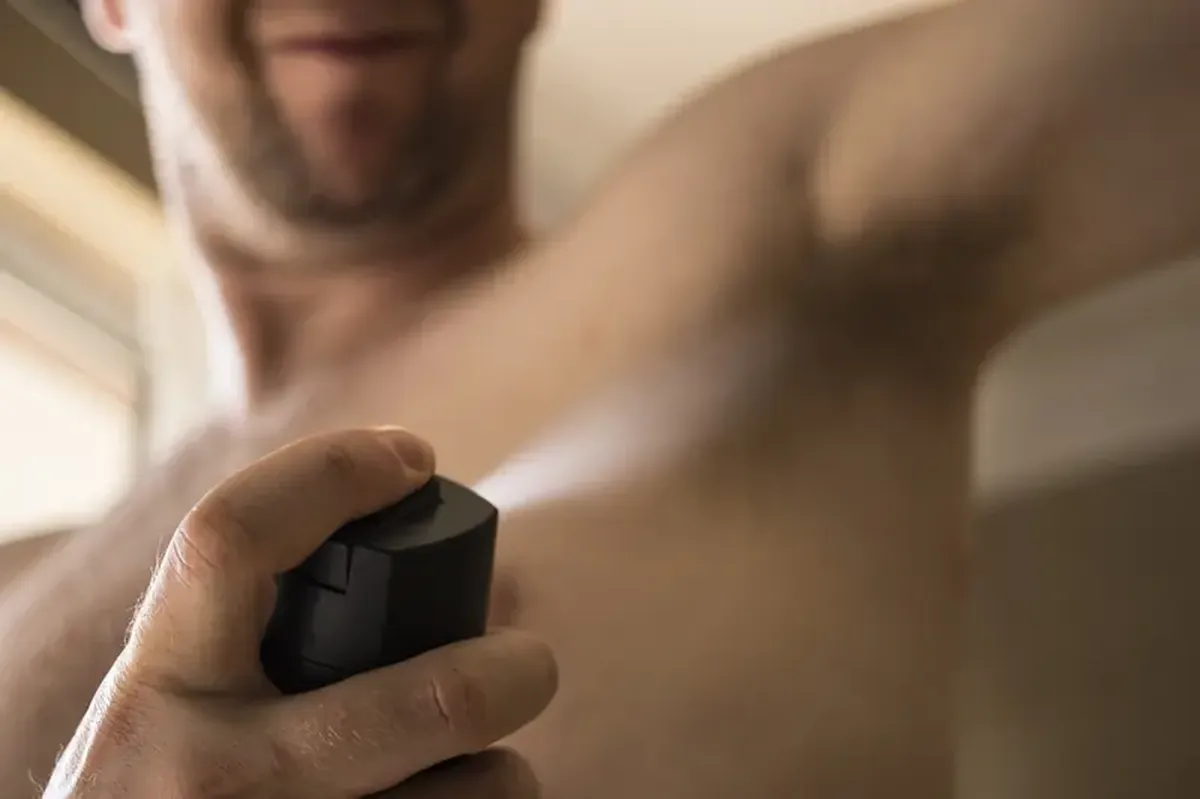
They identified more than 200 different volatile organic compounds (VOCs). Some of those are relatively harmless at low concentrations. But many react quickly and form secondary organic aerosols that can’t be assumed safe.
“Some molecules create new particles that can coalesce into larger particles capable of effectively settling in our lungs,” said Dušan Ličina, the study’s lead author. “We still don’t fully understand the impact of these pollutants on health, but they could be more harmful than we think, especially since they end up in our breathing zone,” he added.
In many modern homes and offices there are one or two ozone sources, typically printers, copiers, and, ironically, some air purifiers. Even where there’s no ozone-producing equipment indoors, outdoor pollutants can react with sunlight to form ozone, which then seeps inside through windows and ventilation. Unlike the oxygen our bodies breathe, ozone has a third oxygen atom that makes it relatively unstable. That instability lets ozone react easily with VOCs such as monoterpenes, ScienceAlert reported.
In every test except for the roll-on deodorant, the reactions produced particles that amounted to genuine smog. The particle growth rate was significantly higher than what typical air-quality studies report. The scientists warn that the fact we can create such a variety of pollution every time we style our hair or spray deodorant should be alarming. “We will need to reduce our reliance on these products or, where possible, replace them with more natural alternatives that contain aromatic compounds with low chemical reactivity,” Ličina said. The study appears in Environmental Science & Technology Letters.
