
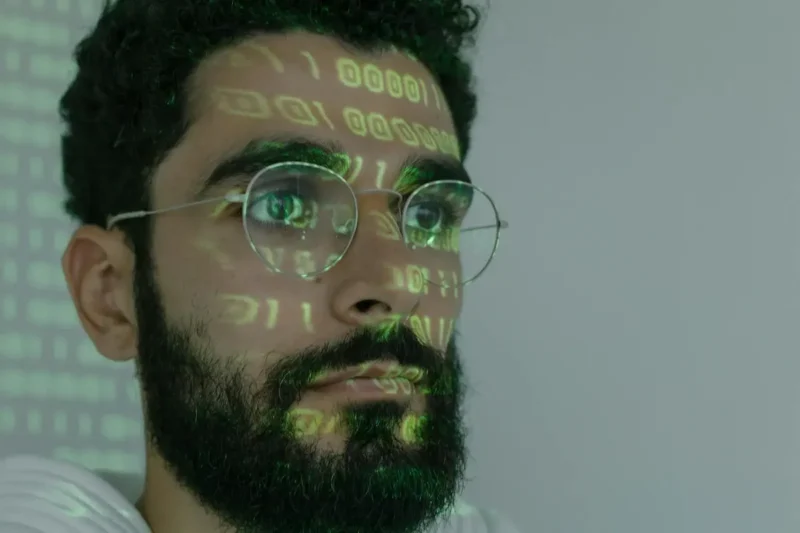
Doctors often start the examination with a so-called “visual test”: using a first impression, they judge whether a patient looks older or younger than their actual age. This observation can later influence key decisions about medical care.
And soon this intuitive assessment will get backing from artificial intelligence (AI).
The deep-learning algorithm FaceAge estimates a person’s biological age from a selfie. Trained on tens of thousands of photographs, this AI system found that cancer patients are, on average, about five years biologically older than their healthy peers.
“We assume that FaceAge can be used as a biomarker in the treatment of cancer to assess the patient’s biological age and assist doctors in making difficult decisions,” said co-author Raymond Mack, an oncologist at Mass Brigham Health, a healthcare system in Boston focused on medical research and treatment.
What did the researchers find?
A team of scientists suggested considering two hypothetical patients: an energetic 75-year-old whose biological age is 65, and a frail 60-year-old whose biological age is 70. Aggressive radiation may be appropriate for the first, but risky for the second.
The same logic can help guide decisions about heart surgeries, hip replacements, or end-of-life care.
Evidence has been mounting that people age at different rates. Genes, stress, exercise, and habits such as smoking or heavy drinking all affect how quickly someone ages. Researchers trained a model on 58,851 portraits of presumably healthy adults over 60, using photographs from publicly available datasets.
Then the system was tested on 6,196 cancer patients receiving care in the U.S. and the Netherlands, using photos taken just before radiation therapy. The results showed that patients with malignant tumors were on average 4.79 years biologically older than their chronological age.
FaceAge evaluates features of aging differently than humans, the publication Science Alert reported. For example, the algorithm pays less attention to gray hair or baldness and more to changes in facial muscle tone.
Hopes and risks
Researchers are studying how makeup, cosmetic surgery, or changes in lighting can fool the system. The team also worries the FaceAge algorithm could attract unscrupulous life insurers or employers looking to assess someone’s hiring risk if they are deemed “not young enough.”
“We need to make sure these technologies are used for the benefit of people,” said Hugo Aerts, head of research and leader of the MGB program on the application of artificial intelligence in medicine.
It’s also important to consider the psychological effect of getting such a verdict from AI. What happens when someone learns their body is biologically older than they thought? Will it motivate healthier habits, or will it cause anxiety or distress?
Soon, researchers plan to launch a public portal called FaceAge where people can upload photos and sign up for a study to further test the algorithm.
The study’s results were published in The Lancet Digital Health.
