
 Carlos Solis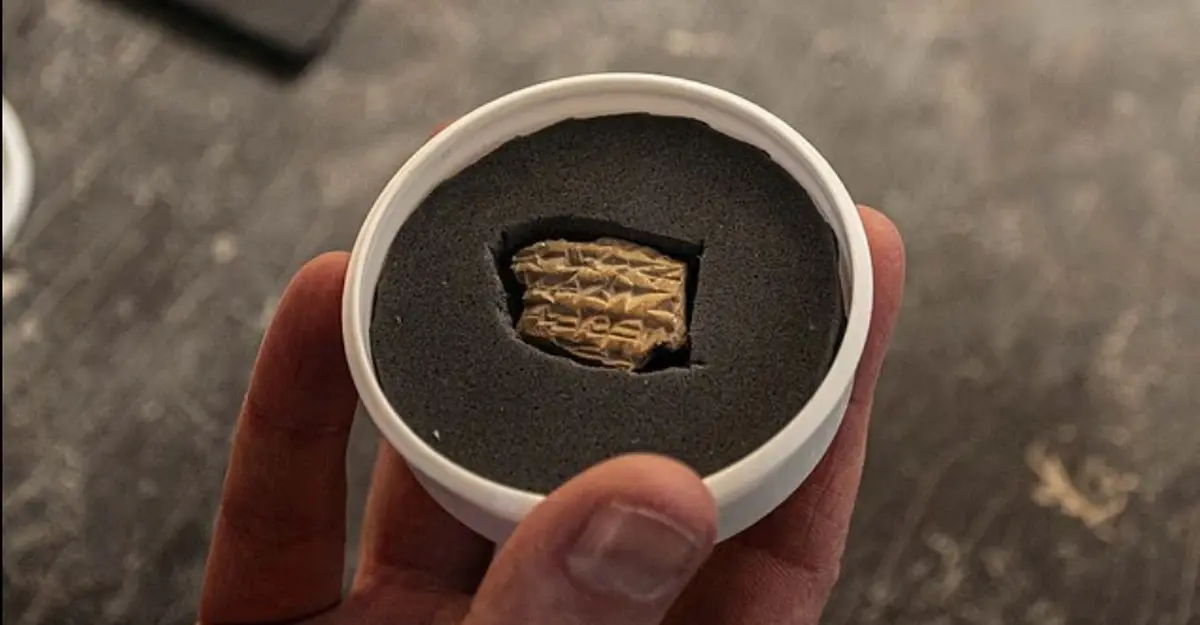
Archaeologists from Bar-Ilan University have uncovered the first Assyrian inscription ever found in Jerusalem. Researchers believe this tiny fragment of an ancient seal ties directly to a story from the Old Testament.
The find is a 2.5-centimeter clay fragment inscribed with Akkadian cuneiform—the script used for the ancient Akkadian language, the earliest written Semitic tongue. “This is part of a royal seal with an inscription—a clay bulla used to authenticate letters and official documents. What we see here is direct evidence of official correspondence between Assyria and Judah,” said lead researcher Peter Silberberg. He noted that this is the first discovery of its kind.
Scholars who deciphered the inscription say it likely pertains to a complaint from the Assyrian Empire about a delayed payment from the Kingdom of Judah.
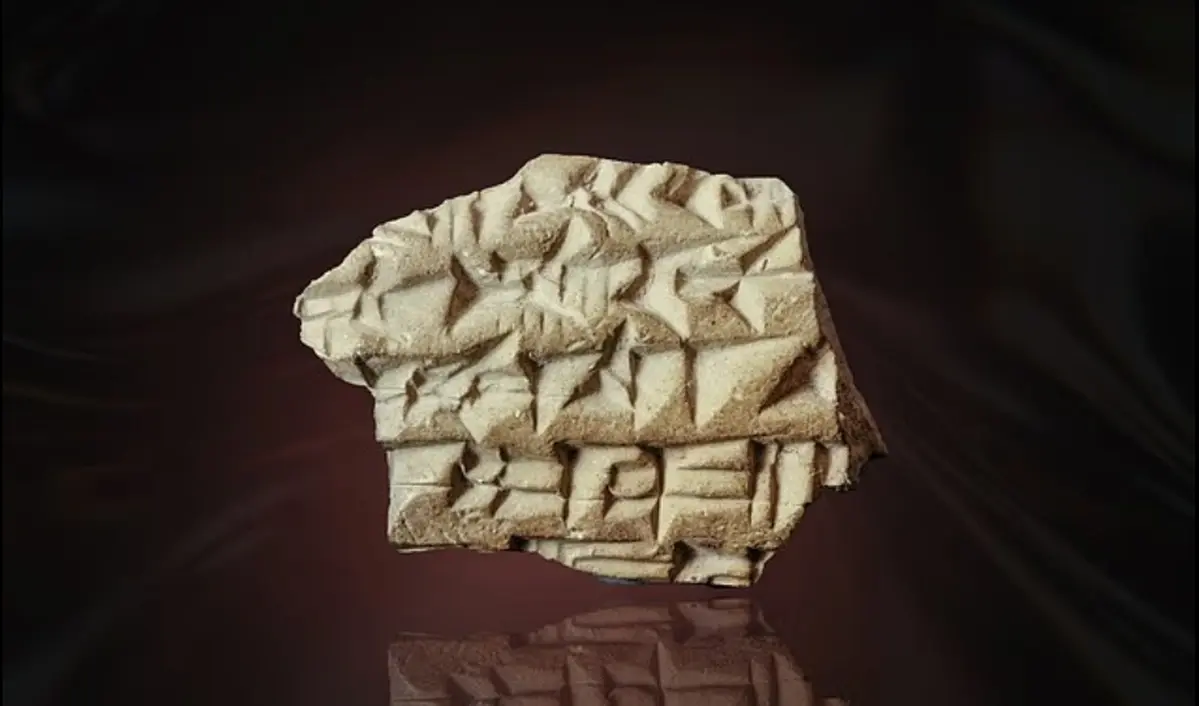
The text specifies a date for the postponed tribute payment—the first day of the 11th month in the Hebrew calendar. This indicates official communication between the Assyrian Empire and the kings of Judah. Researchers believe the event may coincide with the reign of King Hezekiah, although it could also relate to the periods of Manasseh or Josiah.
The team linked the seal to the biblical account of King Hezekiah paying the Assyrian king Sennacherib (who ruled from 705 to 681 B.C.) 300 talents of silver and 30 talents of gold. That tribute was meant to shield Judah from Assyrian aggression.
Peter Silberberg said it’s hard to reconcile the fragment’s tiny size with its importance. “This fragment is tiny, but it tells a very important story,” the scholar said.
Experts from the Israel Antiquities Authority (IAA), which oversaw the excavations, released a petrographic analysis of the clay bulla. The analysis shows it was not produced in Jerusalem. The mineral composition of the clay matches deposits in the Tigris basin, where major Assyrian cities such as Nineveh, Ashur, and Nimrud were located. The artifact may therefore have been part of official Assyrian documents or correspondence sent to Judah.
The discovery highlights the complexities of ancient diplomacy and shows that even small kingdoms like Judah engaged in detailed negotiations with one of the era’s superpowers. Such correspondence was vital for navigating the political pressures of a mighty empire like Assyria.
The find gives researchers and historians a rare glimpse into the diplomacy, economy, and politics of the ancient Near East. It places biblical narratives about Judah’s tribute to Assyria in a historical context and shows those stories reflected real interactions between kingdoms.
This tiny fragment is a reminder that significant history can be hidden in miniature artifacts, linking biblical texts to archaeological reality and enriching our understanding of life in ancient Jerusalem.
