
 Gaby
Gaby
The picturesque resort village of Stobreč sits about 400 kilometers south of Zagreb.
A team from the Croatian Institute of Archaeology has unearthed a well-preserved monumental Greek wall measuring 70 meters long, along with structures from multiple historical periods that shed new light on the region’s past.
Archaeologists discovered the ruins beneath a site slated for future construction, Arkeonews reported, citing the Croatian Ministry of Culture and Media.
Before work began, researchers suspected important artifacts might lie under the soil, especially since the area hadn’t been excavated in decades. In the end, the archaeologists struck gold: they uncovered numerous finds, including a massive wall, parts of which reach a depth of three meters, excavation leader Dr. Marina Ugarkovich of the Institute of Archaeology said. She added that this wall is comparable to other major archaeological discoveries around the world.
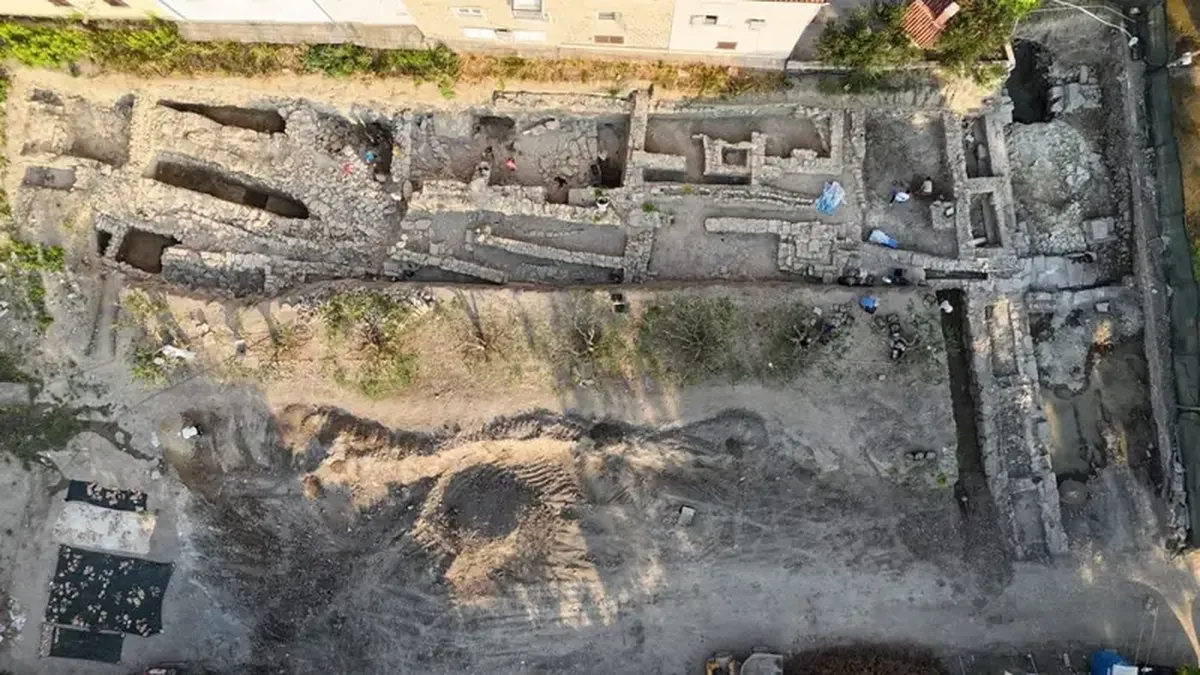
Dr. Ugarkovich said the team also examined the remains of other structures at the site of the ancient settlement of Epetion. The ruins span periods from prehistoric times through late antiquity and into the early Middle Ages. Her team has shown for the first time that the settlement existed much earlier than previously thought. The oldest finds date to the Middle Bronze Age — around 3500 BC. The Greek wall, with an L-shaped layout, is at least 2,000 years old.
Historical records show the ancient Greeks began establishing colonies in the area in the 4th century BC. By the 2nd century BC, the Romans had strengthened their influence, and over time Stobreč grew into an important trading center in Roman times.
