
 Gaby
GabyProfessor Max Tegmark drew parallels with species extinctions and offered a grim forecast: he estimates a 50% chance that artificial intelligence could destroy humanity. He says that risk rises once machines become “much smarter than us,” though no one knows when that will happen.
Artificial intelligence (AI) no longer seems like something out of science fiction; it is reality. Debates about its future impact on humanity are therefore intensifying. So, should we really be afraid of AI?
The higher mind always prevails
Max Tegmark, a physicist and expert on AI systems, has given a worrying forecast about our future on this planet. The professor believes the probability of humanity’s destruction increases as AI advances and has estimated it at roughly 50%.
He argues that history shows the most intelligent species tend to drive less intelligent species to extinction — humans wiped out large parts of Earth’s biodiversity, for example. If AI becomes markedly smarter than humans, Tegmark warns, the same dynamic could play out: humans may be unable to predict or prepare for their own downfall.
Many leading scientists warn that AI could be used to create autonomous weapons or so-called “killer robots.” As the Daily Mail reported, Tegmark has drawn stark conclusions about where that development could lead.
He notes that humans have already destroyed about half of Earth’s biodiversity. Our “lesser brothers” lacked the intelligence to control their fate; Tegmark worries that if machines become the smarter party, humans could similarly lose control and suffer catastrophic consequences.
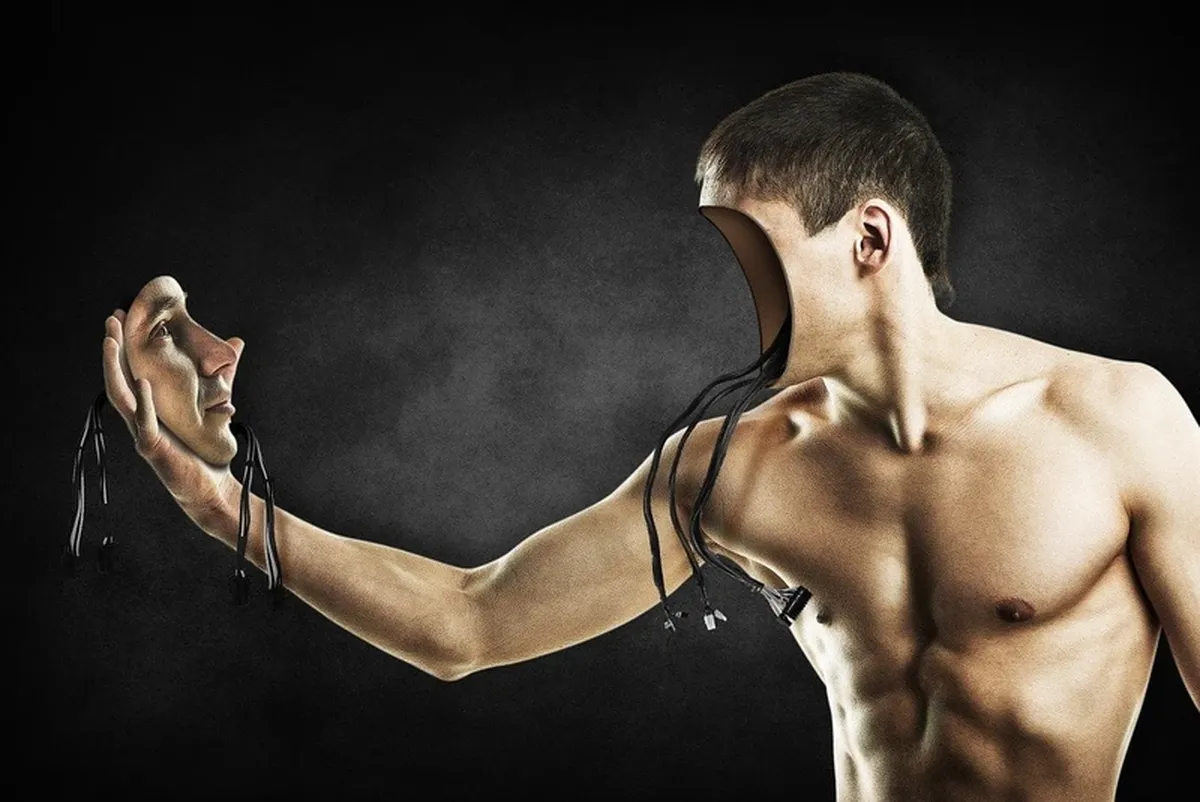
Risks of AI
Tegmark was one of the signatories of a warning arguing that reducing extinction risk from AI should be a global priority on par with pandemics and nuclear war.
Poorly programmed technologies can still cause fatal errors later on. Even software that seems safe today could contribute to an existential catastrophe under the wrong conditions.
In 2018, Tegmark warned that humans could one day become slaves to the intelligent machines they create. He also suggested that some colleagues might welcome human extinction, viewing robots as the successors to humanity.
The professor urges that forms of superintelligence be kept under human control, “like a dog on a leash.” But he doubts that will be possible once AI surpasses human intelligence — and that is his principal concern about AI’s rapid advancement.
Also, AI will have no moral qualms; it could still outsmart humans. Tegmark believes the risk of AI breaking free from human control and seizing power is about 50%.

Elon Musk calls for limits on AI
Strangely enough, one of the most vocally pro-innovation billionaires — Elon Musk — echoes Tegmark’s warnings. Despite his enthusiasm for new tech, the Tesla CEO recognizes AI’s potential dangers and opposes unchecked development.
In March, Musk and about 1,000 other tech leaders called for a pause on “dangerous races” in AI development. They said such races pose a “great risk to society and humanity” and could have “catastrophic” consequences.
Musk has warned about runaway AI since at least 2014. He argues that technologies could become so advanced they no longer need human intervention, at which point robots might refuse to follow human commands.
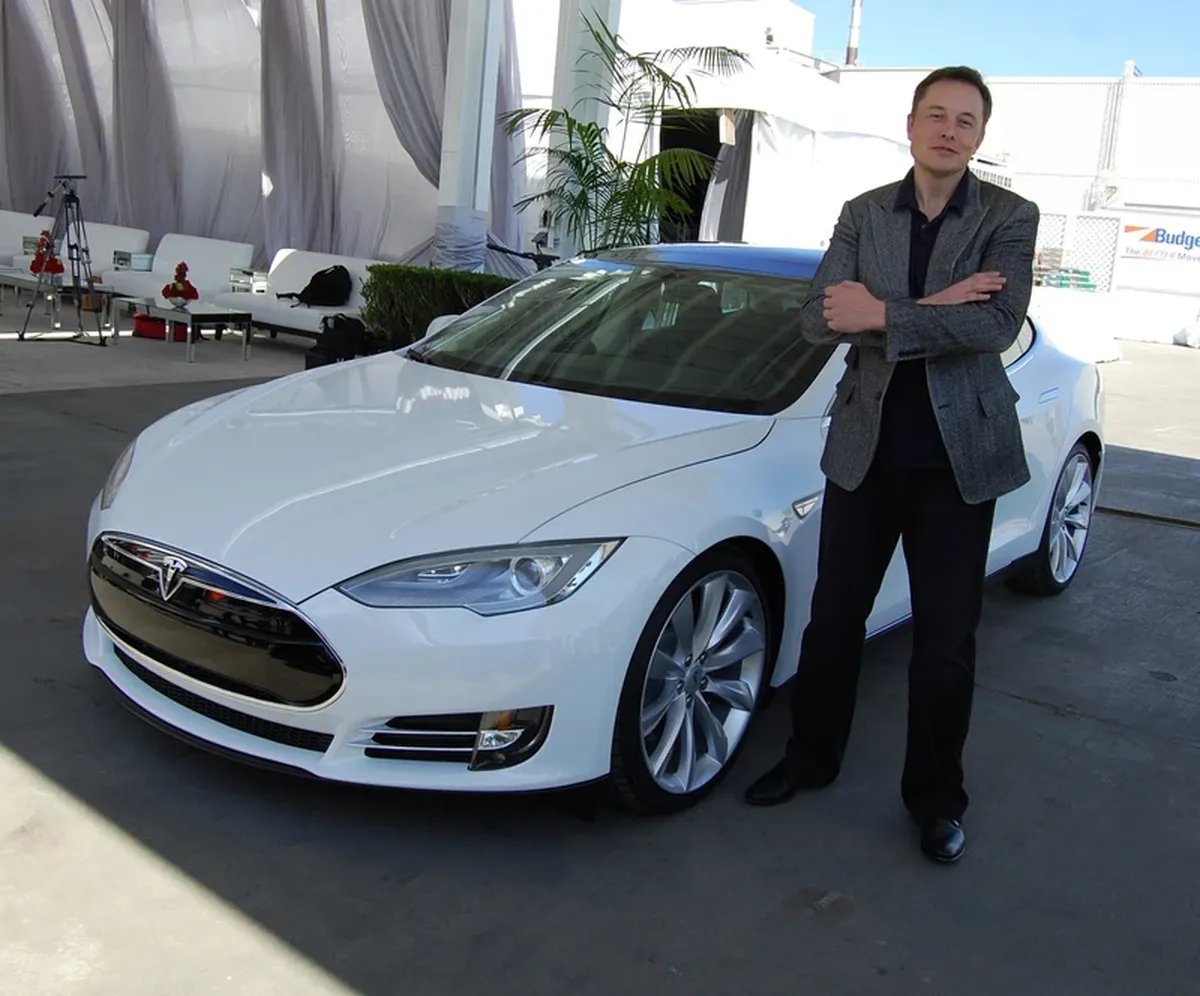
Elon Musk.
The billionaire describes the threat as civilization-level. He has said AI is “far more dangerous than nuclear weapons” and claimed that through it “people are summoning demons,” with humans increasingly reduced to the role of pets alongside machines.
That is why Musk calls for extensive research to make AI safe. He has suggested there is only “perhaps a 5–10% chance of success” in ensuring that safety.
In July 2020, Musk predicted that within about five years AI could become much smarter than humans. He added that this would not necessarily mean immediate catastrophe, but that the world would become unstable or strange. Let’s hope humans still have a chance against AI.
