
 Gaby
Gaby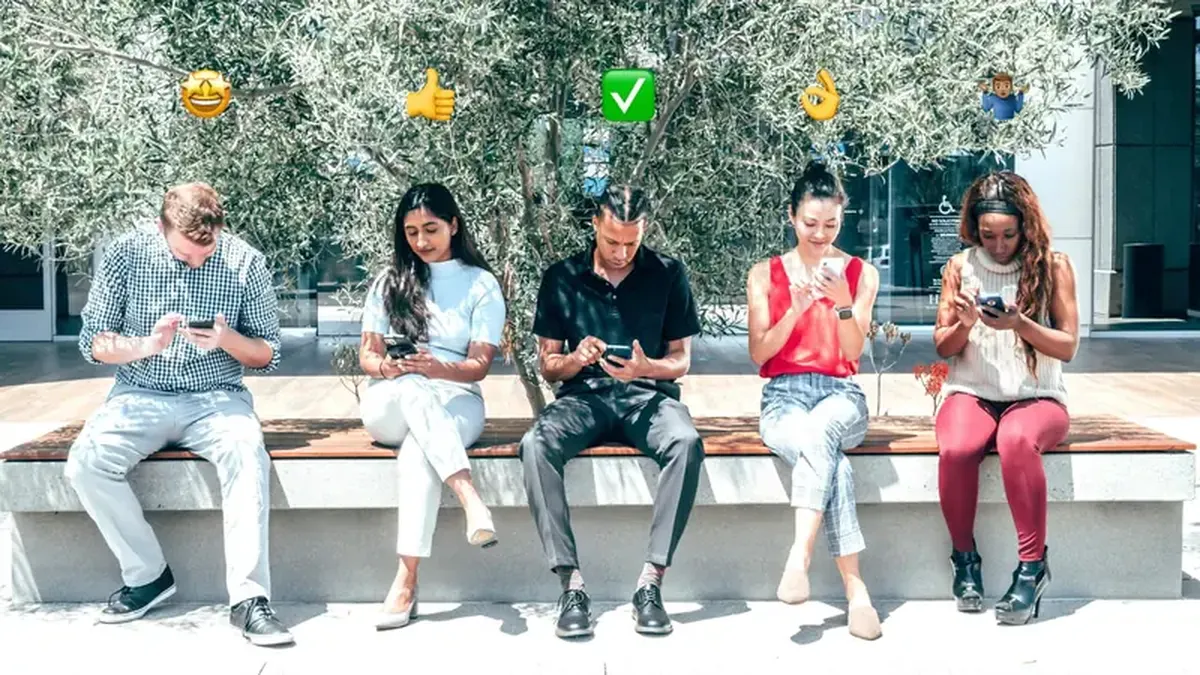
A new study from the University of Nottingham in the U.K. sheds light on how complicated emoji interpretation can be. It finds that gender, culture, and age all shape how these symbols are understood.
Emojis—little images people use to express ideas or emotions on digital platforms—are now a core part of how we communicate. They add feeling and reaction to plain text, closing the gap with face-to-face conversation. But are we using and reading them the same way?
The researchers recruited 523 participants from China and the U.K., ages 18 to 84.
The team looked at how different demographic and gender groups interpret emojis. They focused on 24 icons that represent six basic emotions: happiness, disgust, fear, sadness, surprise, and anger. The symbols came from four major platforms—Apple, Windows, Android, and WeChat—so design differences that might skew interpretation were kept to a minimum.
What the study found
The analysis showed a clear generational gap in emoji use. Younger people tended to understand the symbols more precisely, while older participants were more likely to misread them. Older adults were more likely to send an emoji that didn’t fit the situation, and the oldest participants struggled most with emojis meant to express surprise, fear, sadness, and anger.
Gender also shaped interpretation. Women’s readings of icons for happiness, fear, sadness, and anger matched the labels the researchers provided more closely than men’s readings did. That may mean women pick up on emotional subtleties in emojis more readily. The researchers suggest this could come from greater experience communicating with young children and recognizing a range of facial emotions.
Culture mattered too. British volunteers generally identified the icons’ meanings more accurately than Chinese volunteers, except for the disgust emoji.
The results also highlighted how context changes meaning. For example, the “smile” emoji—which the researchers labelled as expressing happiness—was often interpreted by Chinese participants as representing joy or other positive feelings.
That shows emojis can carry different meanings across cultures, which can cause misunderstandings in cross-cultural exchanges, Earth.com reported.
***
Ultimately, the study showed a complex interplay between gender, culture, and age in how people interpret emojis.
While emojis can add emotional depth to digital messages, the researchers warned they can be ambiguous. That ambiguity can lead to miscommunication, especially when senders and receivers don’t account for cultural, age, and gender differences.
The team urged more awareness of how these factors shape emoji use and suggested future research to explore these nuances further.
The study’s findings were published in the journal PLOS ONE.
