
 Gaby
Gaby
We might recoil at the thought of eating worms, dogs, or guinea pigs, but we often overlook the dangers hiding in everyday mushrooms, fish, vegetables, berries, and fruits. What should we know about foods that look appetizing?
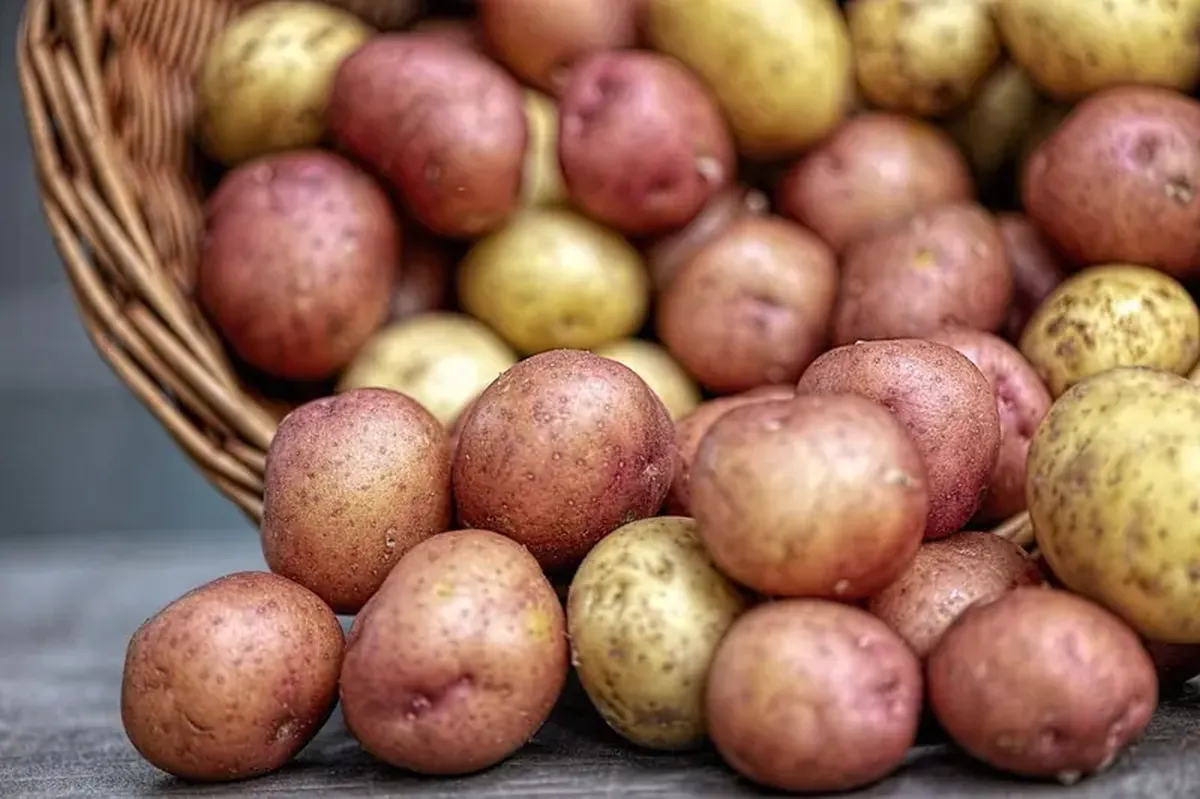
Potatoes
Potatoes weren’t always seen as food. At first people grew them as ornamental plants and even sampled the leaves and shoots, which contain solanine. Solanine can cause nausea, diarrhea, disorientation, and—even in severe cases—loss of consciousness.
Tomatoes
The tomato fruit is safe to eat, but the plant’s green parts are rich in glycoalkaloids. Those compounds can trigger migraines and cause gastrointestinal upset.

Elderberries
This wild berry appears in both folk medicine and cooking. Elderberries are delicious in baked goods, jellies, and syrups. Only ripe berries are safe to eat: unripe fruits, flowers, leaves, stems, and roots contain sambunigrin. Sambunigrin is a toxic glycoside that can cause severe stomach and esophageal distress.
Pufferfish
Pufferfish is one of those dishes that tests a chef’s skill. If the fish is not prepared correctly, eating it can be fatal. Preparing pufferfish safely requires careful cleaning and the meticulous removal of the toxic organs.
Rhubarb
Cooking with rhubarb requires care. In the plant, only the stalks are edible; the leaves contain oxalic acid and can be toxic.

Castor Oil
Castor oil is widely known as a laxative and is used in some food applications. Never eat the raw seeds, though: they contain ricin, a potent protein toxin. The ricin is neutralized during castor oil production.
Almonds
Almonds have a prized flavor and aroma in many cuisines. That does not apply to raw bitter seeds: the glycoside amygdalin in them can release cyanide, which is toxic in large amounts.

Cherries
Cherry pits contain the same risk as apricot kernels. To avoid cyanide exposure, avoid chewing or consuming the seeds. Enjoy the flesh of the cherry instead.
Apples
Even apples, a source of iron and vitamin C, have a downside. Apple seeds contain compounds that can release cyanide and taste bitter. The cyanide concentration in apple seeds is about 1.5 times lower than in cherry pits, so accidentally swallowing a few seeds is unlikely to cause harm.

Mushrooms
Even edible mushrooms can accumulate toxins from contaminated soil or air. Some species that are safe only when cooked must be prepared properly to neutralize toxins. Recent research has found harmful compounds in mushrooms that were previously considered harmless. Not every person has the enzymes needed to digest mushrooms, so because they can be hard to digest, avoid serving them to children, people who are ill, or older adults.

So stay vigilant and take care of your health!
