
 Carlos Solis
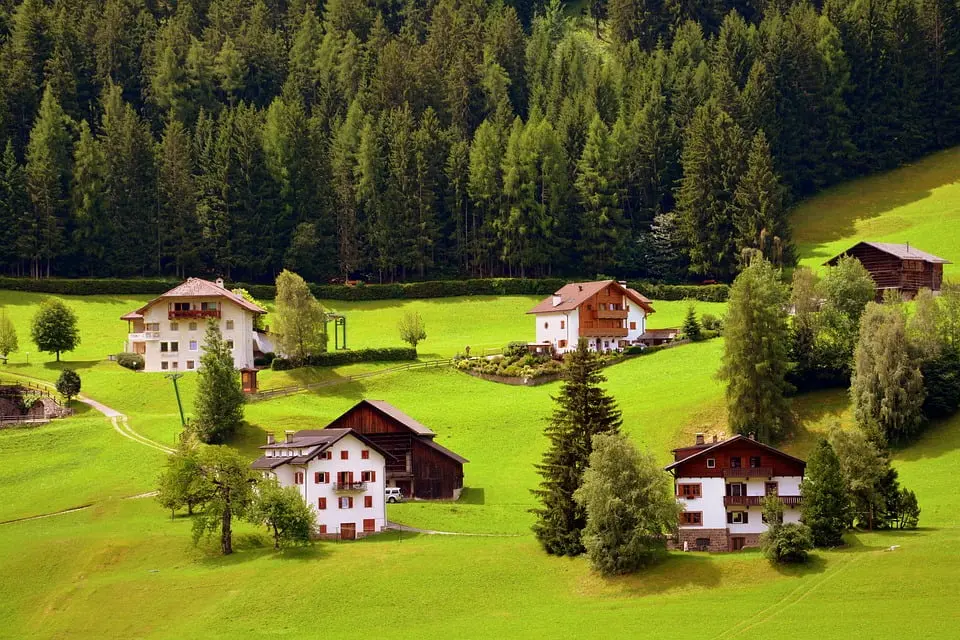 At first glance, the University of North Carolina’s conclusion might not seem new. But it’s more surprising than it looks. Researchers focused on aging at the cellular level and made an astonishing discovery.
Numerous previous studies have shown that people living in green areas enjoy a variety of health benefits. Specifically, they are better protected from stress and cardiovascular disease. Green spaces promote physical activity and community interaction, fostering a healthy lifestyle and better health outcomes. Areas with abundant trees and greenery are typically cooler, more resilient to flooding, and have lower levels of air pollution.
Now, scientists have determined that living in a natural environment slows the aging of our cells.
 It turns out that people living in areas with abundant greenery have longer telomeres. As we know, telomeres help determine the pace of cellular aging.
Telomeres are structures located at the ends of the 46 chromosomes in each cell, similar to the plastic tips on shoelaces. These caps prevent DNA from unraveling. The longer the telomeres are, the more times a cell can divide. When telomeres become too short, cells die, as reported by The Guardian.
Telomere Length – A Unique Biomarker of Aging
According to study co-author Aaron Hipp, a professor of parks, recreation, and tourism, “where we live, how much we exercise, and what we eat can all influence the rate of telomere degradation and, again, the aging process.”
Professor Hipp and his colleagues examined medical records (including telomere length) of more than 7,800 individuals. All participants were part of the National Health Interview Survey conducted by the Centers for Disease Control and Prevention. Researchers found that a 5 percent increase in green space was associated with a 1 percent reduction in cellular aging. The more greenery in a person’s living area, the slower their cells age, noted Aaron Hipp.

Peter James, an environmental epidemiologist at Harvard University who did not participate in the study, highlighted the novelty of the findings. Researchers focused on telomeres rather than other health indicators, further demonstrating that telomere length is a unique biomarker of aging.
The study’s results were published in the journal Science of the Total Environment.
Photo: pixabay.com
