
 Gaby
Gaby
It’s no secret that exercise, weight management, and healthy eating are key to good health. But researchers have identified another, less obvious factor that can have a big impact: charity. A growing body of evidence suggests charitable acts can strengthen the immune system.
Simple acts of altruism — donating money, volunteering, or even small acts of kindness — can benefit your health. Charity may help people live longer and boost their immune systems.
Charity Reduces the Risk of Chronic Pain
British researchers asked whether helping others—prosocial behavior—could lower the risk of chronic pain. Studies show up to 85% of people with chronic pain also experience depression, which often reduces motivation to do self-care like regular exercise.
The researchers analyzed data from 48,000 people who took part in a long-term health study from 2011 to 2020. Among the information collected were details about participants’ prosocial behavior and their levels of chronic pain.
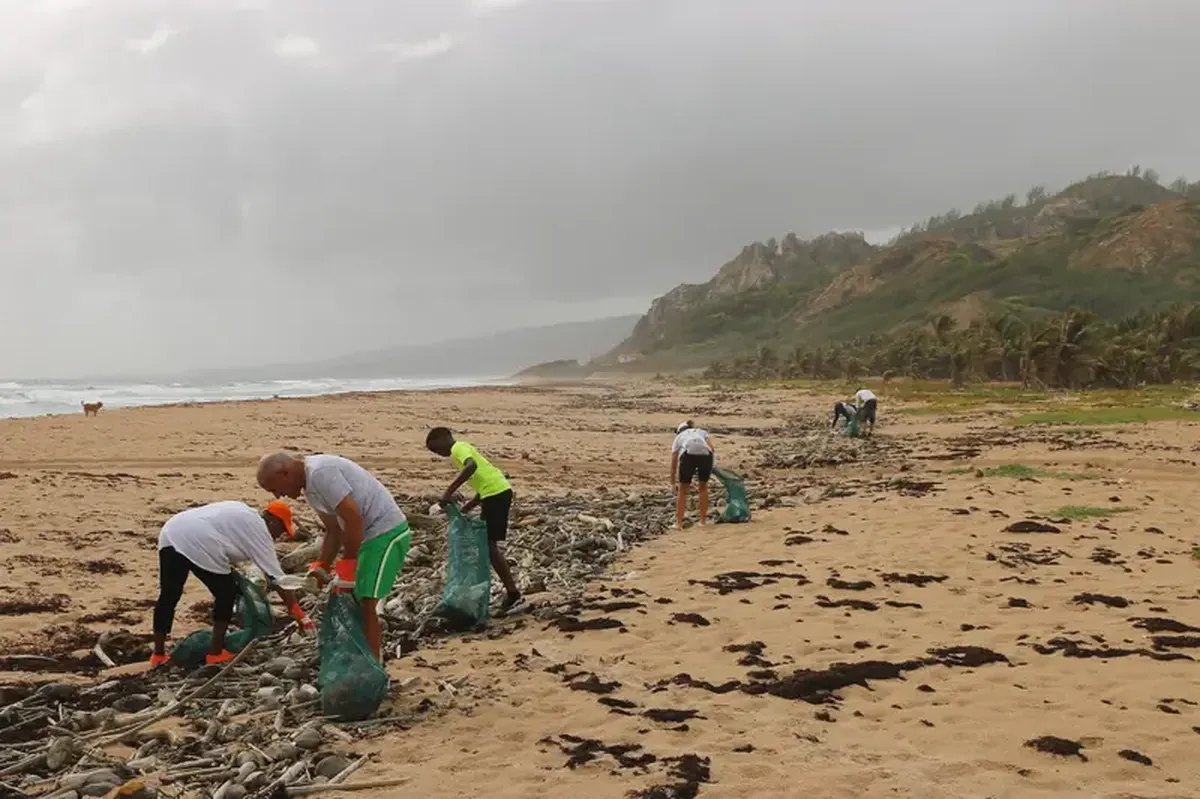 Participants were asked if they had donated money to charity in the past year and, if so, how much. Just over a third of respondents reported that they had contributed to charitable causes. Nearly one in five participants had done volunteer work during the same period.
The team compared that information with reports of chronic pain disrupting participants’ lives over the nine-year study. Results showed that people who donated money had a lower risk of experiencing chronic pain.
Volunteering had an even greater impact in some cases. The biggest benefits were seen among people who both donated money and volunteered.
Why Does This Happen?
Volunteering often involves physical activity, which triggers endorphins—the body’s natural painkillers and mood enhancers. Even making a donation can produce similar effects.
Prosocial behavior also improves mental health, and physical pain and mental health are closely linked.
Psychologist Audrey Tang says endorphins are released when someone achieves a goal. Those endorphins can linger and help reduce chronic pain. But the benefits of kindness go beyond pain relief.
More Good Deeds, Better Health
A 2013 study by American psychologists found people over 55 who volunteer have at least a 24% lower risk of dying prematurely than those who don’t. So charity and good deeds can be important for maintaining physical and mental health after retirement. Tang says volunteering also provides social interaction and helps maintain joint mobility and flexibility.
 Other studies, reported by the Daily Mail, suggest good deeds can lower the risk of cardiovascular disease. That likely happens because doing good reduces stress hormones like cortisol, which contribute to high blood pressure—a major risk factor for heart attack and stroke.
Altruism or Even Observing It Boosts Immunity
Even witnessing someone else’s altruism can enhance the body’s ability to fight infections. In a landmark 1988 study, researchers invited one group of volunteers to watch a video about Mother Teresa’s charitable work in India and showed another group a film about Hitler.
Researchers took blood samples before and after the screenings and measured levels of immunoglobulin A (IgA), an immune protein that defends against bacteria, toxins, and viruses. Viewers of the Mother Teresa film had a sudden spike in IgA levels; viewers of the Hitler film showed no change.
The experiment shows observing acts of kindness can affect an observer’s health—sometimes called the “Mother Teresa Effect.” Tang says you get even bigger benefits from doing something kind yourself rather than just watching.
