
 Carlos Solis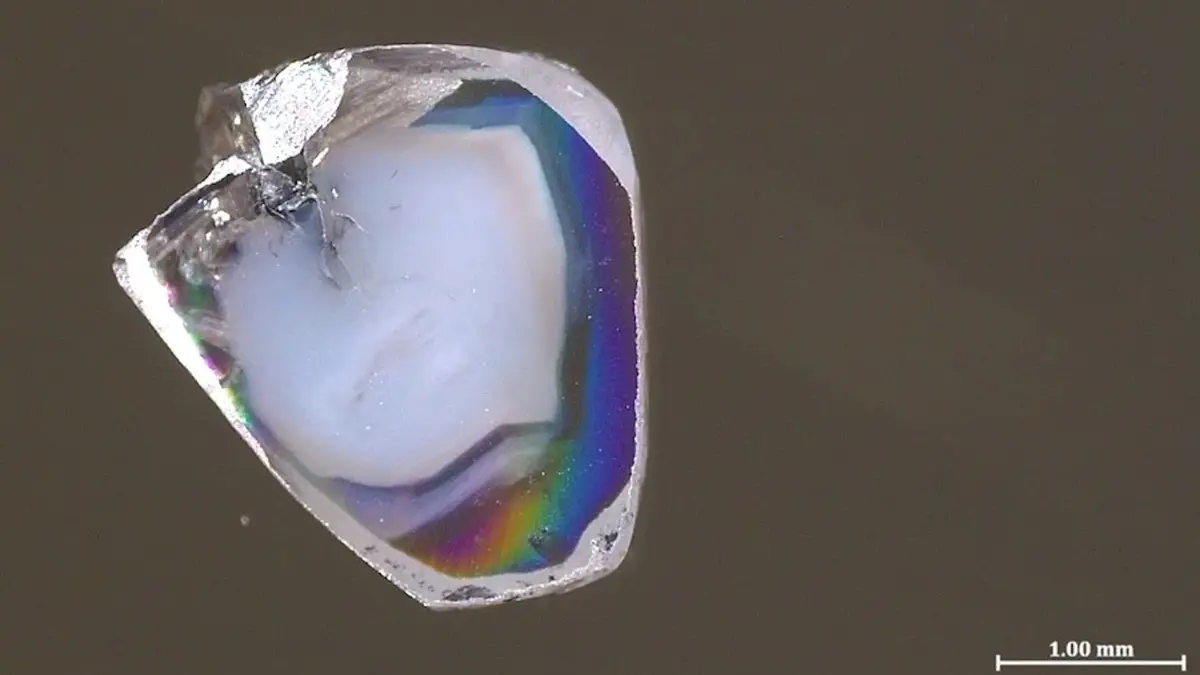
In a South African mine, miners unearthed two diamonds that contain controversial chemical compounds. The discovery could shed new light on how diamonds form.
These samples, which formed hundreds of kilometers down in the Earth’s plastic mantle, contain inclusions of materials that form under completely opposite chemical conditions. Researchers described the combination as “practically impossible.”
What Did Scientists Discover?
Like many other gemstones, these two diamonds contain so-called inclusions—tiny particles of surrounding rock trapped during the diamond formation process. Most people view such inclusions as flaws, but scientists see them as an invaluable source of information. This is especially true for diamonds formed very deep—within the deep mantle—because they bring these inclusions to the surface almost untouched. In other words, the minerals rise hundreds of kilometers upward, virtually unchanged, as Live Science noted.
Each of the two discovered samples contains inclusions of carbonate minerals rich in oxygen (oxidized) as well as oxygen-poor nickel alloys (reduced). Just as acids and bases react to form water and salt, oxidized carbonate minerals and reduced metals do not coexist for long. Typically, inclusions in diamonds contain only one of these components. So, it’s no surprise that their simultaneous presence puzzled Yakov Weiss, a senior lecturer in Earth Sciences at the Hebrew University of Jerusalem and the lead author of the study.
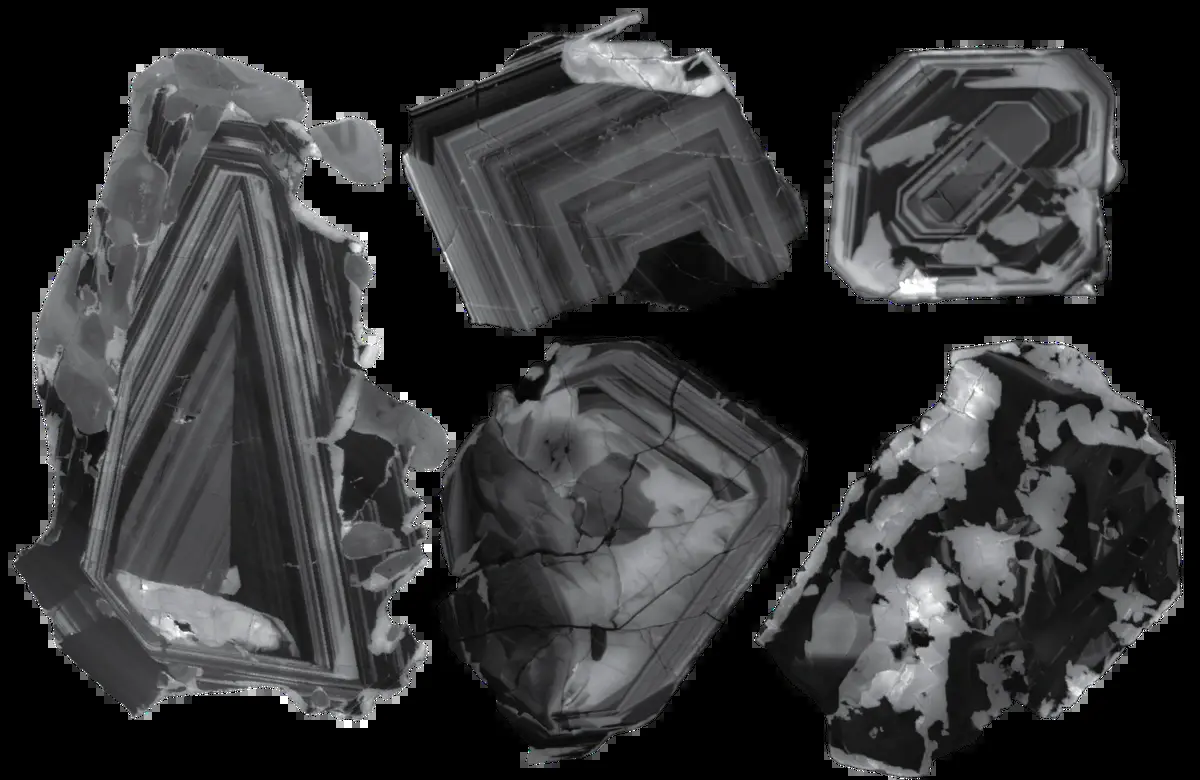
Weiss and his team were so baffled that they delayed studying the samples. When they reanalyzed the diamonds, they found the inclusions record a snapshot of the reaction that produced the diamonds. That confirmed for the first time that diamonds can form through interactions between carbonate minerals and reduced metals in the mantle.
Thanks to these samples, scientists were able to observe the middle of this reaction inside a natural diamond for the first time. “Essentially, these are two sides of the oxidation spectrum,” Weiss said. This finding matters for understanding conditions in the mantle. As you go deeper into the Earth, moving away from the surface, rocks and minerals become more reduced, and the amount of oxygen available decreases. However, direct evidence of this change in the mantle is virtually nonexistent.
The two diamonds, which originated from depths between 280 and 470 kilometers below the surface, provide the first direct confirmation of theoretical models about mantle chemistry. Weiss says one implication is that oxidized melts extend deeper than previously thought. Kimberlites — the rocks that bring diamonds to the surface — are oxidized, so researchers had assumed kimberlites couldn’t form much deeper than about 300 kilometers. These results challenge that assumption.
Weiss suggests diamond formation likely happens when carbonate melts are dragged down by subducting tectonic plates, bringing oxidized minerals into contact with reduced metal alloys in the mantle.
The study’s results were published in the journal Nature Geoscience.
