
 Gaby
Gaby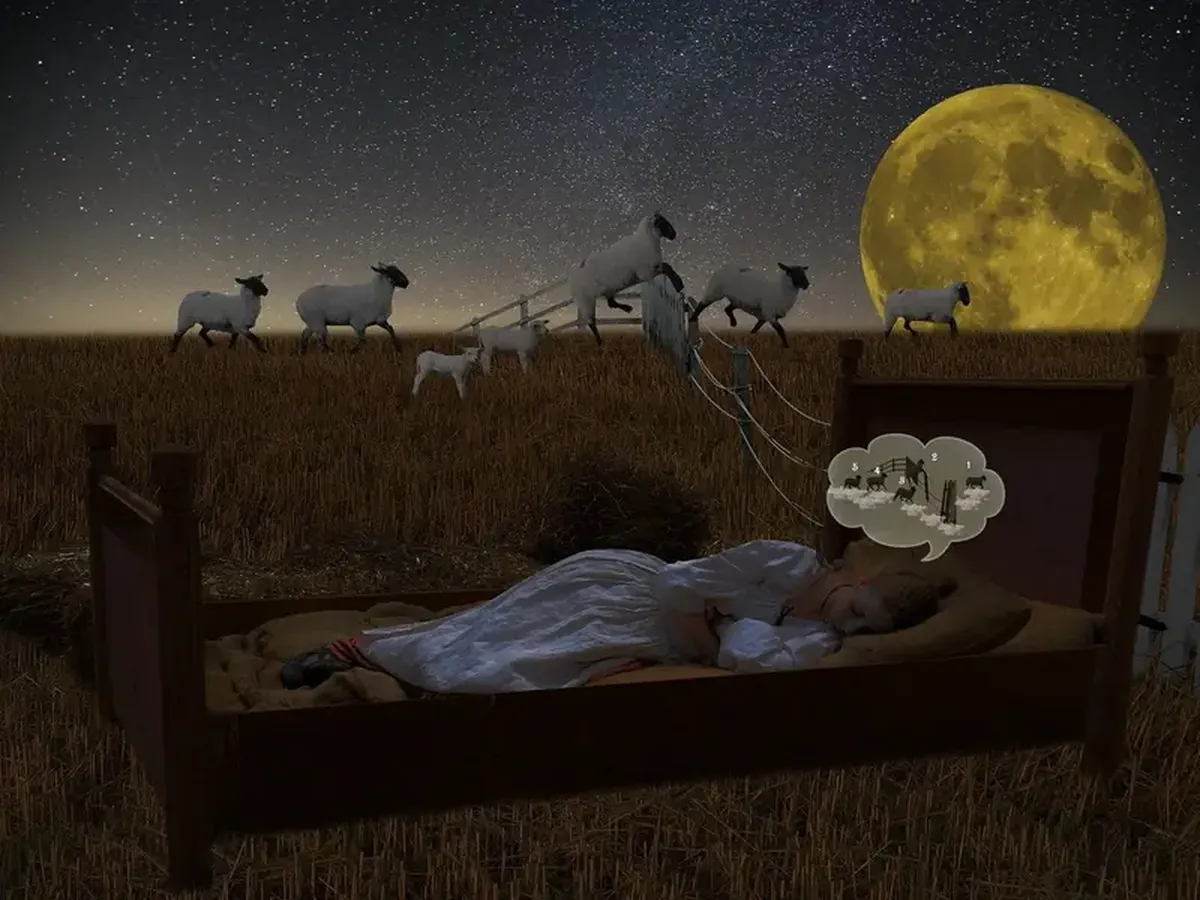
Counting sheep every night or sipping alcohol to fall asleep? Those folk remedies are myths. One sleep specialist who calls them out is Dr. Lindsey Browning of the British Sleep Society.
Counting Sheep
Parents often suggest it to kids when they can’t fall asleep. Browning says it might work for a two‑year‑old, but it isn’t effective for adults.
Cheese Before Bed — A Recipe for Nightmares
That’s a misconception. While cheese contains tryptophan — an amino acid the body uses to make melatonin — that doesn’t mean eating cheese will make you sleepy.
Nightmares can happen simply because your stomach is too full after any meal.

Drinking Alcohol at Night
While alcohol can induce drowsiness, it disrupts the natural sleep cycle and leads to poorer sleep quality.
Stop drinking alcohol at least four hours before bedtime.
Making Up for Lost Sleep with Daytime Naps
Napping can help if you feel exhausted in the afternoon.
But Browning says naps can’t replace regular nighttime sleep and may make it harder to sleep at night.
You Can Never Have Too Much Sleep
That’s false. Oversleeping is linked to health issues such as obesity and stroke.
Browning says long sleep often indicates poor sleep quality. Ten hours of bad sleep won’t restore your energy the way seven hours of good sleep will.
Lying in Bed When You Can’t Sleep
That’s a bad strategy. If you can’t fall asleep within 20 minutes, get out of bed and do something relaxing — read or listen to calming music.
Staying in bed while trying to force sleep can do the opposite: it can increase anxiety.
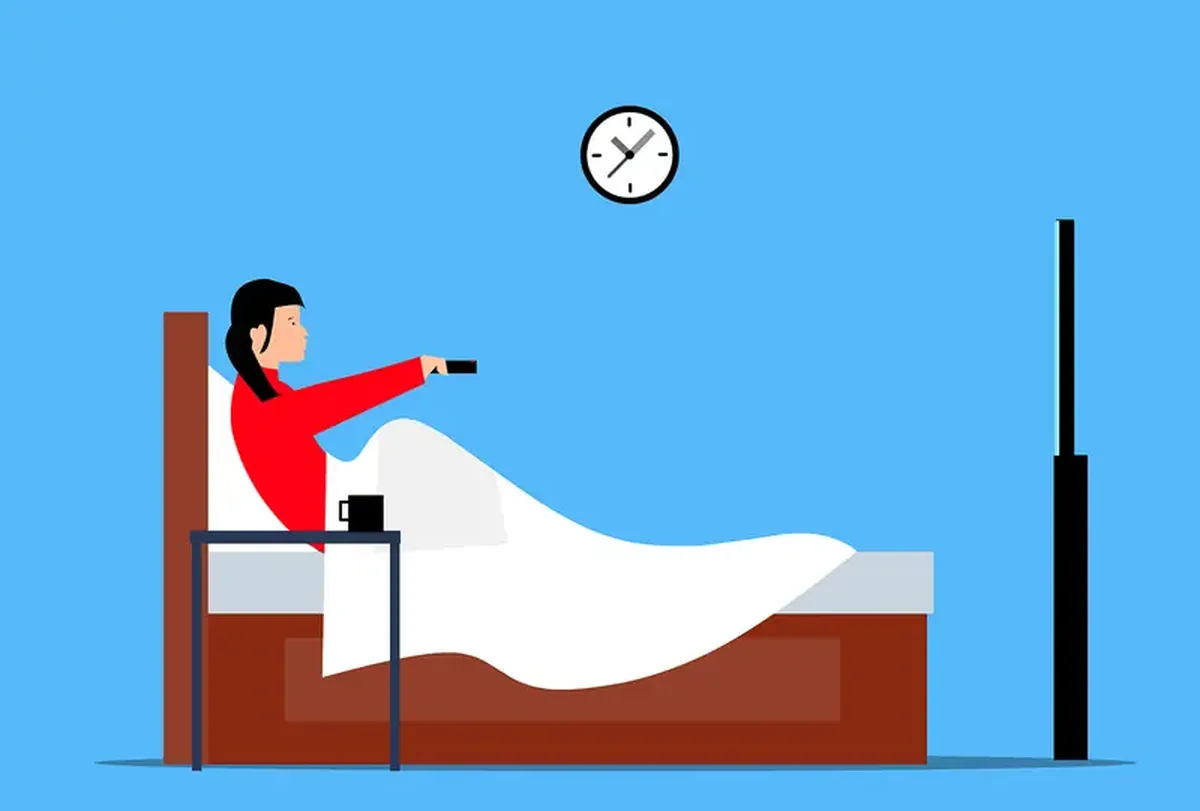
Watching TV Before Bed
Watching TV to fall asleep can backfire. The bright light from the screen suppresses melatonin and can disrupt your circadian rhythm. The Daily Mail reported this effect.
Falling Asleep in a Warm Room
Sleeping in a warm room is a misconception. Sleep specialists say the ideal bedroom temperature is between 16–19°C.
Browning recommends opening a window at night to let in a cool breeze, which can improve sleep quality.
