Gaby
Gaby
This disease is an endocrine disorder—the core problem involves the hormone insulin, either its secretion or the body’s ability to use it. Excessive fluid loss often accompanies diabetes and can lead to dysfunction in multiple organs.
Diabetes: Symptoms
Doctors distinguish several types of diabetes—mainly diabetes mellitus and diabetes insipidus. Diabetes mellitus is the most common; diabetes insipidus can be central or nephrogenic. There’s also gestational diabetes, which appears during pregnancy because of metabolic changes.
Regardless of the type, early signs are often similar: constant thirst and frequent urination.
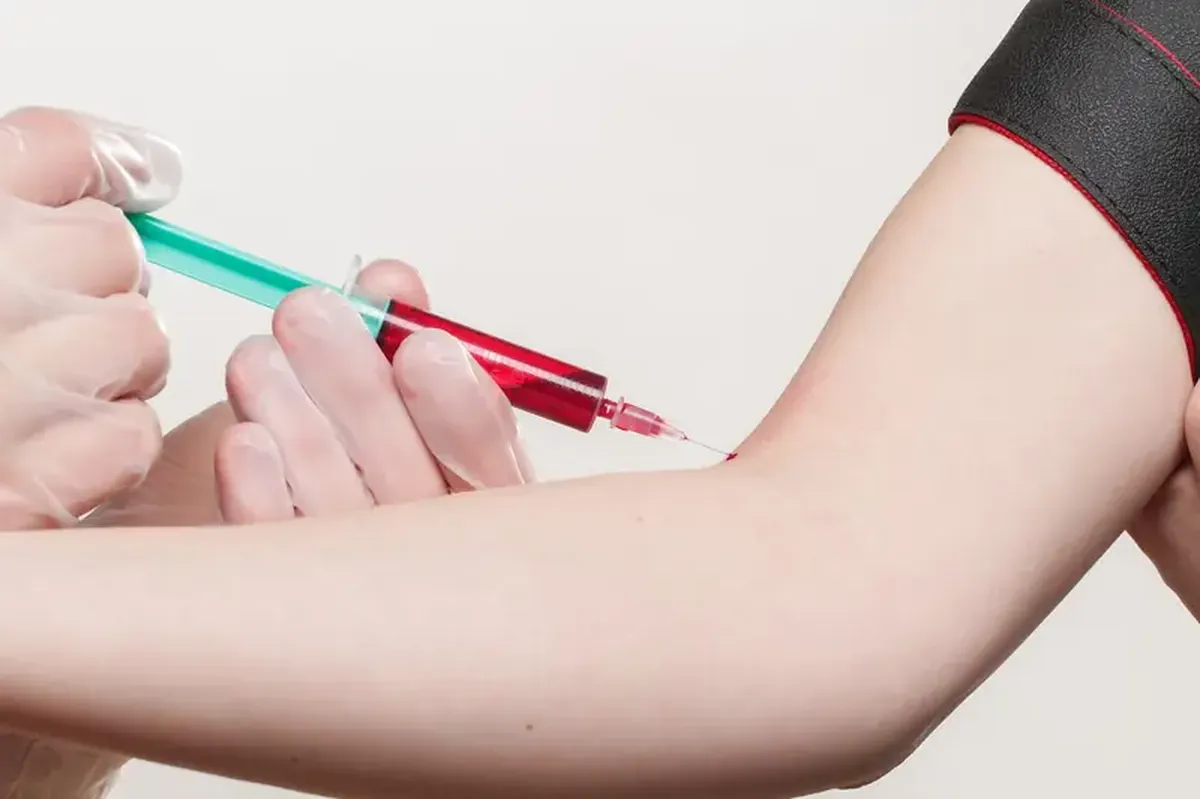
A blood test is the only way to confirm diabetes. High blood sugar is the main indicator, and many people learn they have diabetes in its early stages through testing. Observable symptoms include:
- Constant hunger despite significant weight changes;
- Episodes of low blood sugar (hypoglycemia) after long periods without food or irregular eating;
- Persistent itching of the skin, including the palms and soles;
- Poor wound healing;
- Worsening of chronic pancreatitis;
- Deterioration of vision.
Type 1 diabetes is often accompanied by nighttime urinary incontinence, while type 2 diabetes is more often associated with rapid weight gain.
These signs are frequently overlooked because they can look like symptoms of other conditions. Make timely laboratory tests for blood and urine a priority—early treatment can help adults avoid many serious complications.
What Are the Main Causes of Diabetes?
The mechanisms behind diabetes fall into two broad categories.
Insufficient Insulin Production by the Pancreas
This condition is diagnosed as type 1 diabetes. Primary causes include viral infections, pregnancy complications, environmental factors, and stress. This type is most commonly diagnosed in young people.
Insulin Resistance (Type 2)
This describes type 2 diabetes, where the body’s insulin response is impaired. Risk factors include a sedentary lifestyle, overeating, high blood pressure, heavy alcohol use, and uncontrolled use of some medications. Psychological stress can also play a role—some people cope by overeating, which can cause weight gain, while others lose weight.
Home Remedies for Diabetes
Treatment focuses on keeping blood sugar in a healthy range. Modern medicines work well when used as directed. Some people also use home remedies alongside medical care.
What time-tested home remedies are considered the most effective?
- Sage wine. In addition to its pain-relieving properties, sage is used to ease some diabetes symptoms. Boil 100 grams of sage leaves in 1 liter of any quality wine for 2 minutes. After cooling completely, strain the mixture and take 20 grams after each meal.
- Nettle root tea. Nettle can help combat swelling in the legs, which sometimes occurs with fluid imbalance. Prepare this remedy with 25 grams of nettle roots and 0.5 liters of water. Boil for three minutes, then cool and strain. Drink one glass three times a day.
- Aloe juice. Freshly squeezed aloe juice is used for several ailments, including coughs and constipation, which often accompany diabetes.
Also include fresh green vegetables and berries in the diet, such as parsley, watercress, and blueberries.

Diabetes – Consequences and Potential Dangers
High blood glucose can damage the brain, kidneys, and nerves. In people who neglect their health, that damage can lead to stroke. Men who drink heavily may face gallbladder removal. Like any serious disease, diabetes requires treatment; otherwise its consequences can lead to disability or death.
Serious complications can include:
- Ketoacidosis – a condition with very high levels of glucose and ketone bodies in the body. Without treatment, it can be fatal.
- Hypoglycemia – a sudden drop in blood sugar. If not treated promptly, it can be life-threatening.
- Coma – can result from severe fluctuations in blood glucose, including extreme hypoglycemia.
- Decreased vision quality – vision problems can be irreversible, increasing the risk of complete blindness.
- Diabetic foot – damage to the skin, blood vessels, nerves, bones, and muscles of the foot.
People with diabetes often have poor wound healing, so even a minor scratch can become a significant problem.
What Should Diabetes Prevention Look Like?
Prevention matters for everyone, even people not in a high-risk group. Early-stage diagnosis can be missed, so take steps to avoid complications and slow the progression of diabetes.
First, cut out alcohol. This recommendation applies to both men and women. A healthy diet can reduce the risk of stroke, gangrene, coma, gallbladder removal, and other serious complications.
Limit calories and carbohydrates. Avoid fried, smoked, and salty foods and choose baked dishes instead.
Maintain regular physical activity to help prevent type 2 diabetes. Options include morning runs, cycling, soccer, volleyball, or aiming for 10,000 steps a day.
Increase plant-based foods, drink herbal teas, and spend more time outdoors—nature can help overall well-being, not just with diabetes but with many conditions common in modern life.