
 Gaby
Gaby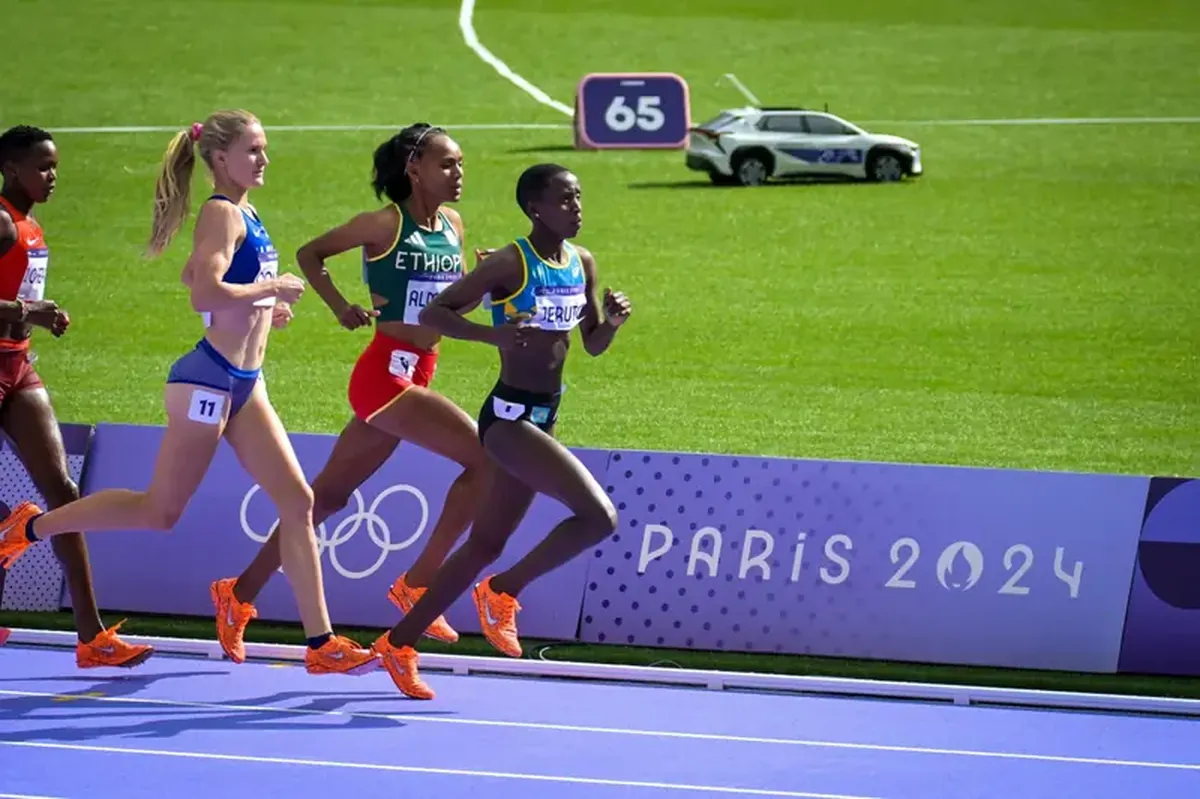
As organizers prepared for the Paris Olympics, they aimed to host the most environmentally friendly Games in history. The purple running track stands as a testament to how they tried to reach that goal.
At the Olympics, athletes are competing on a track surfaced with fine powder made from crushed Mediterranean shells.
Organizers joke, “You’ll know you’re running too fast when you start smelling the broth.”
Eco-Friendly Track Designed for Record Speed
Every year, around 10 million tons of empty shells from oysters, clams, scallops, and mussels end up in landfills or the sea worldwide. So sourcing shells for the Olympics was never a problem. Since 2021, bivalve shells from discarded mollusks have been collected and transported by truck from the Italian fishing cooperative Nieddittas.
Designing the track took three years, a collaboration between workers at the cooperative and engineers from Mondo, a company that has built 12 Olympic running tracks. Developers say their Paris track is the fastest Olympic track yet — runners can reach speeds about 2 percent higher than on the Tokyo 2020 track, ScienceAlert reports.
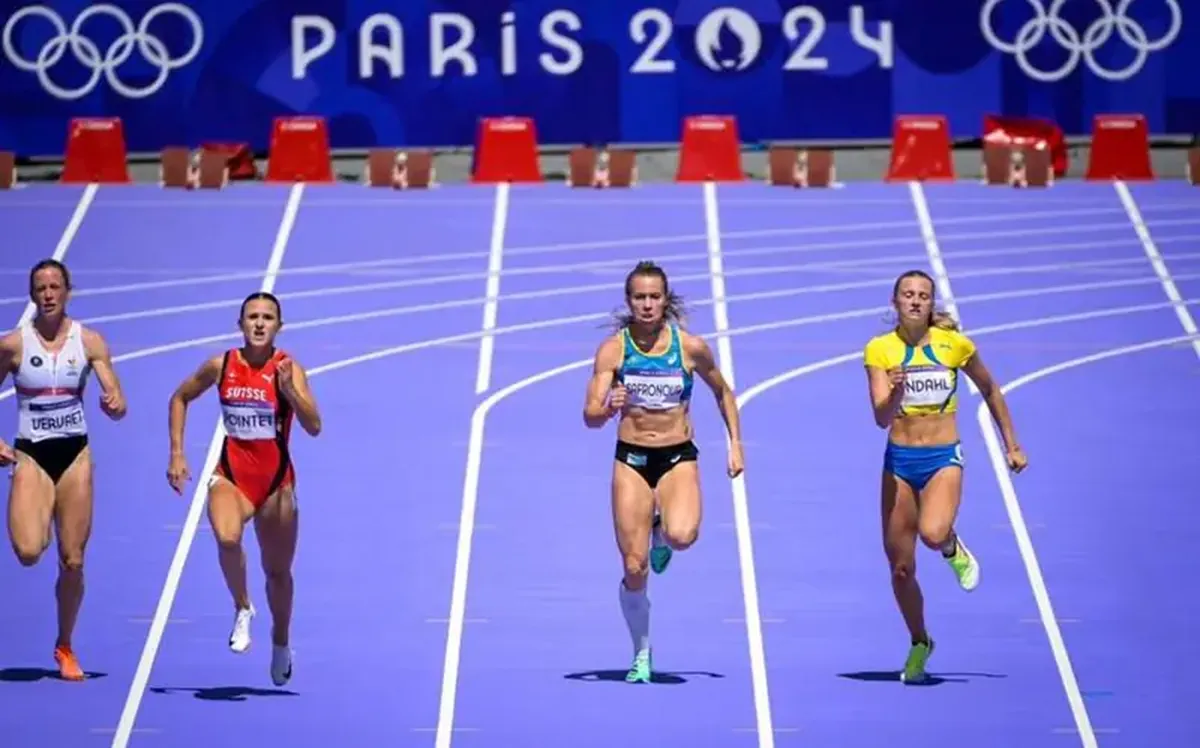
On the official Paris Olympics website, organizers wrote, “Since 1972, three hundred world records have been set on Mondo athletic tracks, and we hope to see even more at the Paris 2024 Olympic and Paralympic Games.”
Compared with the red rubber track used in Tokyo, much of the new purple track is made from recycled materials. This is the first time an Olympic athletics track has been painted purple. The shells had nothing to do with the color; the purple was purely an aesthetic choice.
The real strength of the crushed shells isn’t visible to the naked eye. Shells are mainly composed of calcium carbonate, a durable material often used to partially reinforce rubber and in flooring. Rather than extracting new calcium carbonate, Mondo used the recycled shells, cutting a large amount of waste that would have otherwise gone to landfills. Using the shells also reduced emissions roughly equal to a diesel car driving 60,000 kilometers.
The engineers behind the track say the project combines scientific innovation with a commitment to sustainable development and demonstrates an effort to address the climate crisis.
