
 Gaby
Gaby
The search for remedies to cure hangovers is as old as alcohol itself. Alternative medicine offers a plethora of suggestions on how to mitigate the effects of the “green monster” on the body. Meanwhile, pharmacies provide a variety of medications aimed at preventing hangovers or combating the consequences of alcohol poisoning. However, experts argue that both folk remedies and licensed products often lack evidence supporting their effectiveness.
Currently, social media is buzzing with a trendy idea that taking one or two tablespoons of olive oil before a night of drinking can help prevent a hangover. The reasoning is that olive oil coats the stomach, slowing down the absorption of alcohol and thereby reducing hangover symptoms.
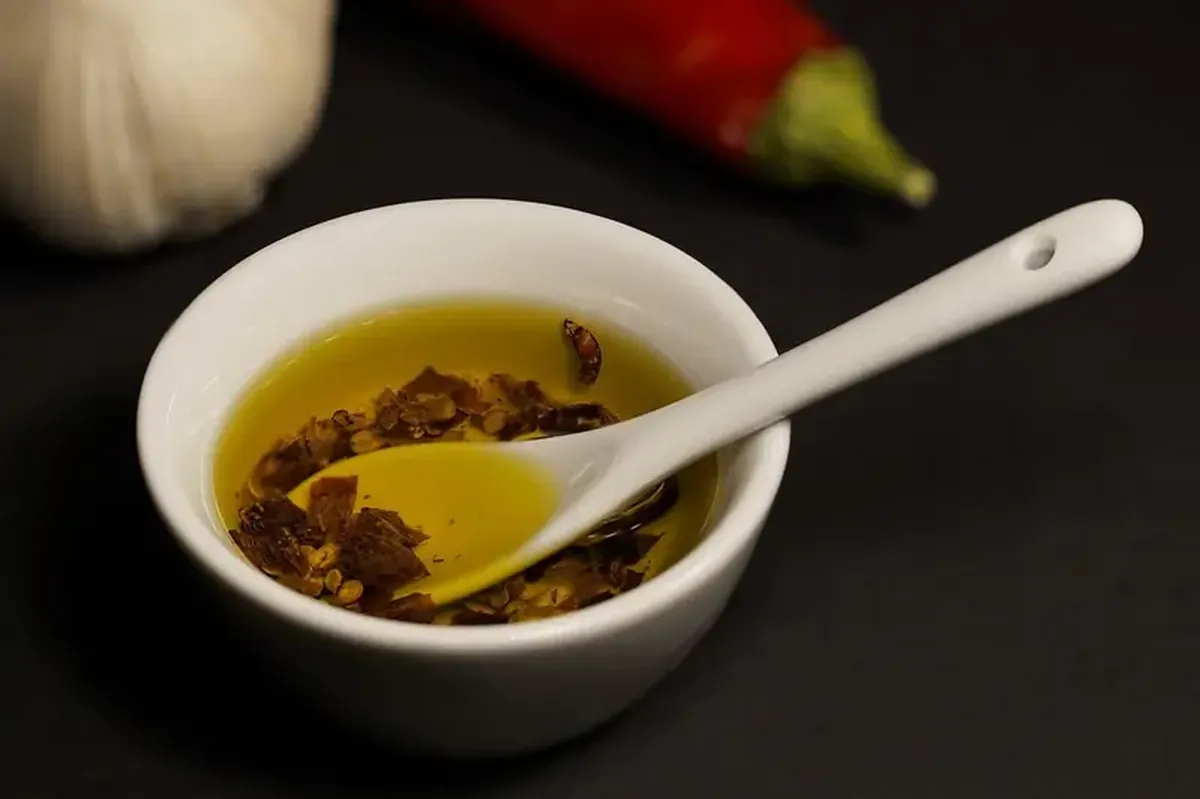
Despite its appeal, this claim lacks scientific foundation and should be treated skeptically, says Justin Stebbing, a professor of biomedical sciences at Anglia Ruskin University in the UK.
Why This Remedy Isn’t Perfect
Some bloggers claim olive oil creates a coating on the stomach lining, which supposedly slows the absorption of alcohol into the bloodstream. This, they claim, can help avoid a hangover. However, while fatty foods can indeed slow alcohol absorption to some extent, the effectiveness of this tactic is questionable, says Professor Stebbing.
The reality is that alcohol absorption primarily occurs in the small intestine, with only about 20 percent of the alcohol being absorbed in the stomach. That means even if olive oil slows the initial impact of alcohol in the stomach, most of it will still be absorbed later during digestion. The liver metabolizes alcohol using enzymes, and that metabolic process is the main driver of hangover symptoms such as dehydration, headaches, and nausea. Olive oil does not interfere with this metabolic process enough to significantly affect the intensity of a hangover.
So, while this oil may contribute to a slight delay in alcohol absorption, it is not a comprehensive solution.
In the meantime, a holistic approach to preventing hangovers involves several factors, such as hydration, nutrition, and moderation in alcohol consumption. Instead of relying on olive oil, it’s better to arm yourself with a few tried-and-true methods.

Hydration
Dehydration often accompanies alcohol intoxication. Drinking water before, during, and after alcohol consumption can help maintain hydration levels and reduce the severity of a hangover.
Nutrition
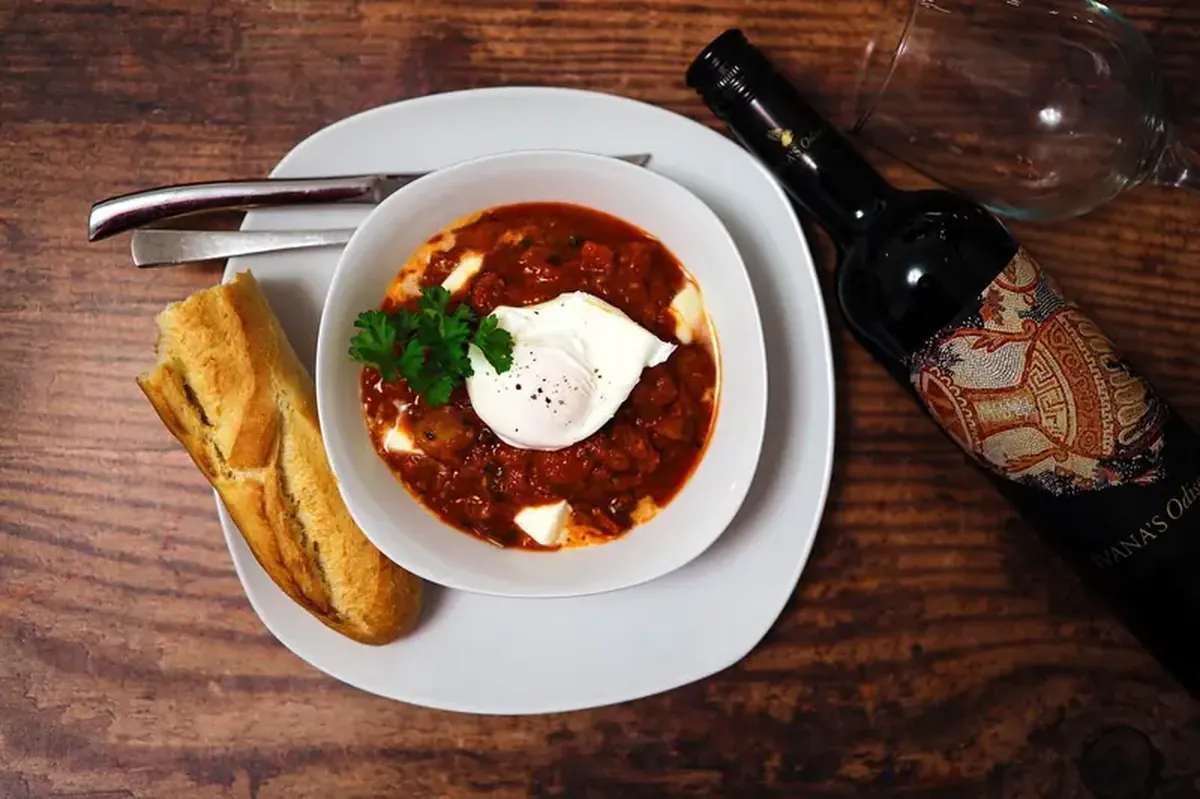
A plate of nutritious food before drinking can slow alcohol absorption much more effectively than a serving of olive oil. Foods rich in protein, fat, and complex carbohydrates provide a more balanced way to mitigate the effects of drinking. Fruits and vegetables can help the body recover afterward.
Moderation in Alcohol Consumption
The most effective way to prevent a hangover is to drink in moderation. Setting personal limits and regulating alcohol intake can significantly reduce the risk of a hangover.
What about those who claim that olive oil as a hangover remedy works perfectly for them? Professor Stebbing believes that such anecdotes are often the result of the placebo effect. A strong belief in the effectiveness of a remedy can sometimes lead to a perceived improvement in physical condition, as reported by Science Alert.
Thus, while the idea of taking a shot of olive oil before drinking is an appealing and simple solution to avoid a hangover, it lacks reliable scientific backing.
