
 Gaby
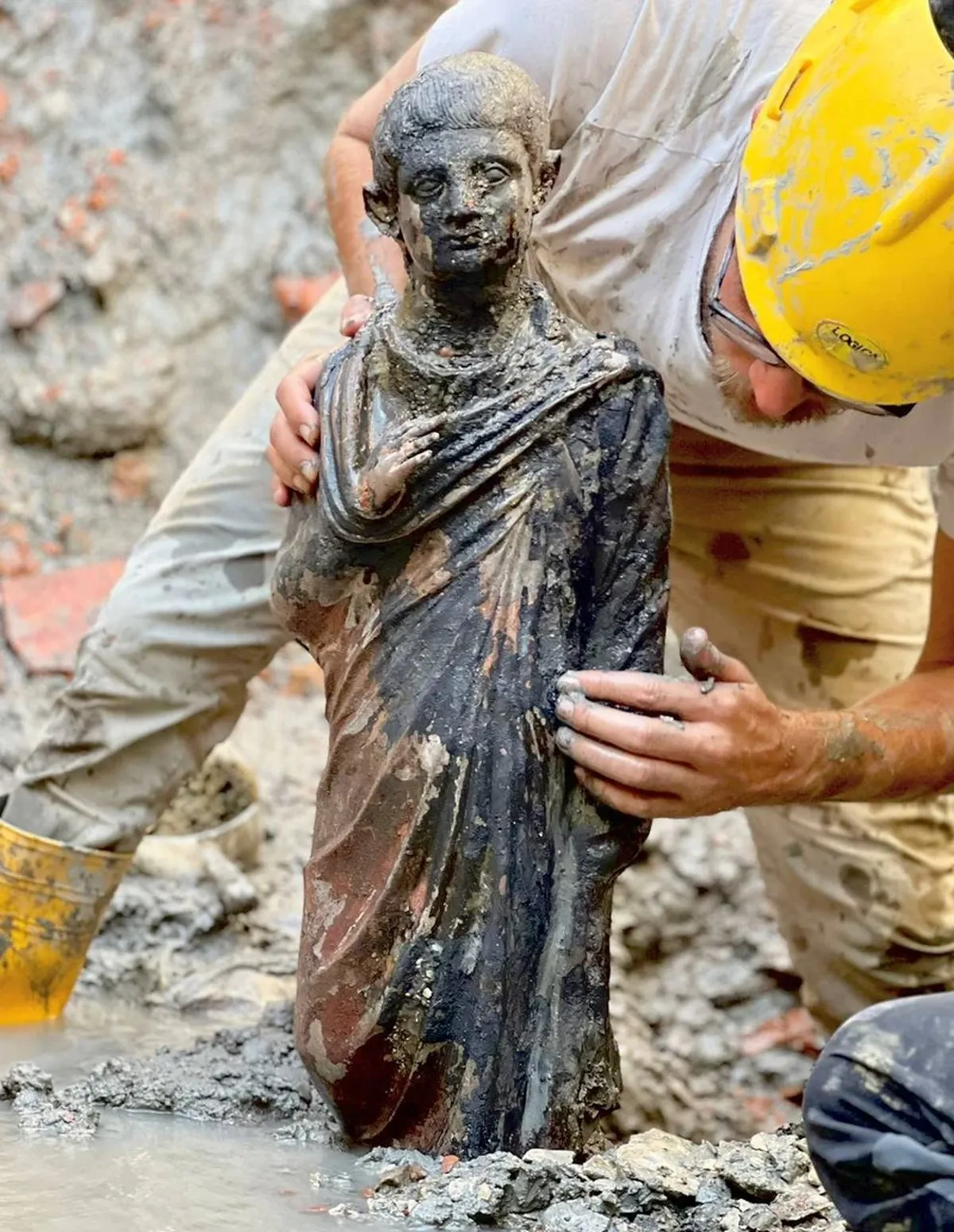
GabyItalian archaeologists have uncovered 24 bronze statues in excellent condition in Tuscany, dating back roughly 2,300 years. In addition to the statues, researchers also discovered 6,000 gold, silver, and bronze coins. The artifacts were submerged in an ancient thermal spring. They were likely used in religious cults.
Archaeologists have been excavating in the commune of San Casciano dei Bagni, on a hill in the province of Siena, where hot springs and baths have existed since ancient times.
The new finds date to a time of major change in ancient Tuscany. Between the 2nd century BC and the 1st century AD, Roman rule replaced Etruscan control, Designboom reported.
What did the researchers see?
Among the masterpieces discovered in the sanctuary are life-sized figures and busts of gods and goddesses (including Apollo and Hygieia), and what appear to be local residents and their children. Alongside the statues, researchers found sculptural representations of human organs and body parts. Sick worshippers likely brought anatomical offerings to the sanctuary and immersed them in the water, hoping to be healed.
Even the Roman emperor Octavian Augustus and the poet Horace were healed in these miraculous springs.
The statues are so well preserved that inscriptions still reveal the names of powerful local families. Archaeologists found inscriptions in Etruscan and Latin that mention the local thermal springs, where the statues lay for centuries.

Are these statues really that valuable?
Experts say these are the most significant bronze finds in Italy since 1972, when underwater archaeologists recovered the so-called Riace Warriors from the seabed off Calabria. Those two bronzes of nude bearded men date to the second quarter of the 5th century BC.
The November finds have been called among the most significant bronze artifacts ever discovered in the ancient Mediterranean.
The Italian Ministry of Culture said the findings will “rewrite history” and provide a new perspective on the religious cults of the Etruscans and Romans. According to the head of the excavation, Etruscologist Professor Giacopo Tabolli, over 60 experts from around the world have joined in the study of the artifacts. Tabolli said such a large group of ancient bronze statues had never been found in Italy at once.
What future awaits the artifacts from Siena?
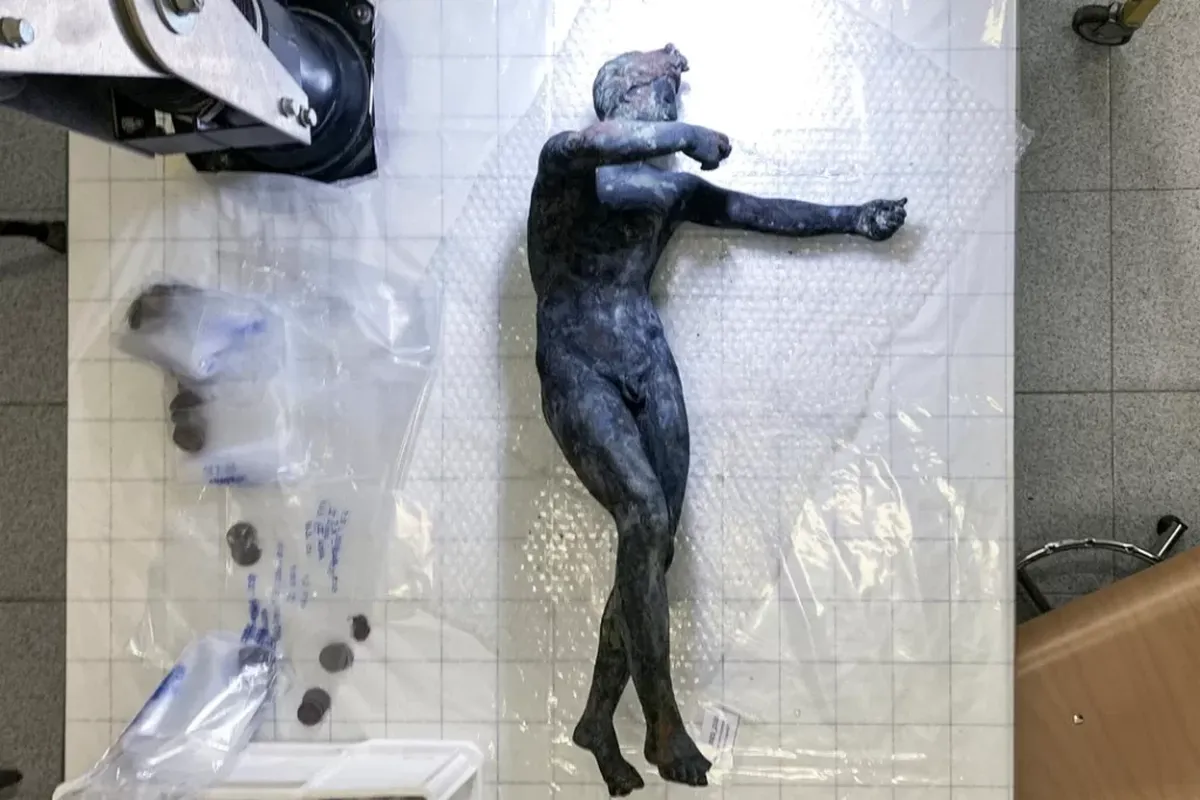
Officials retrieved the statues from the hot, murky waters where they’d been preserved for more than two thousand years and moved them to a restoration laboratory in the nearby city of Grosseto. After restoration, the artifacts will be displayed in the museum of San Casciano dei Bagni. An archaeological park will be opened nearby.
Officials say the new museum and park will draw visitors from around the world and boost the region’s development. The site will also become a year-round research center where young archaeologists from different countries can work.
Photo: Courtesy of the Italian Ministry of Culture
