
 Gaby
Gaby
Choosing the right foods can help you live longer. The following foods can help delay the effects of aging.
Beans
‘Bad’ cholesterol is a major enemy of youth. It damages blood vessels, impairs nutrient delivery to tissues, and makes it harder for cells to clear waste. To slow the hardening of arteries, cut out high-calorie mayonnaise, margarine, fatty dairy products, and fast food. Instead, choose healthier options like oatmeal, blueberries, walnuts, olive oil, and legumes. Beans, in particular, are a powerhouse of plant-based protein that helps lower cholesterol levels.
Chocolate
As we age, brain activity declines. By the time many people hit 50, cognitive function has already slowed significantly, and by 70 it can decline even more. Antioxidants—particularly flavanols found in cocoa—can help counteract that process. Just a small piece of chocolate—about 10 grams—can support brain health.

Eggs
One useful nutrient for longevity is lecithin, a component of cell membranes. A lecithin deficiency can lead to reduced concentration and trouble retaining information. Find lecithin in foods like liver, eggs, brewer’s yeast, soy, peanuts, grains, and fish.

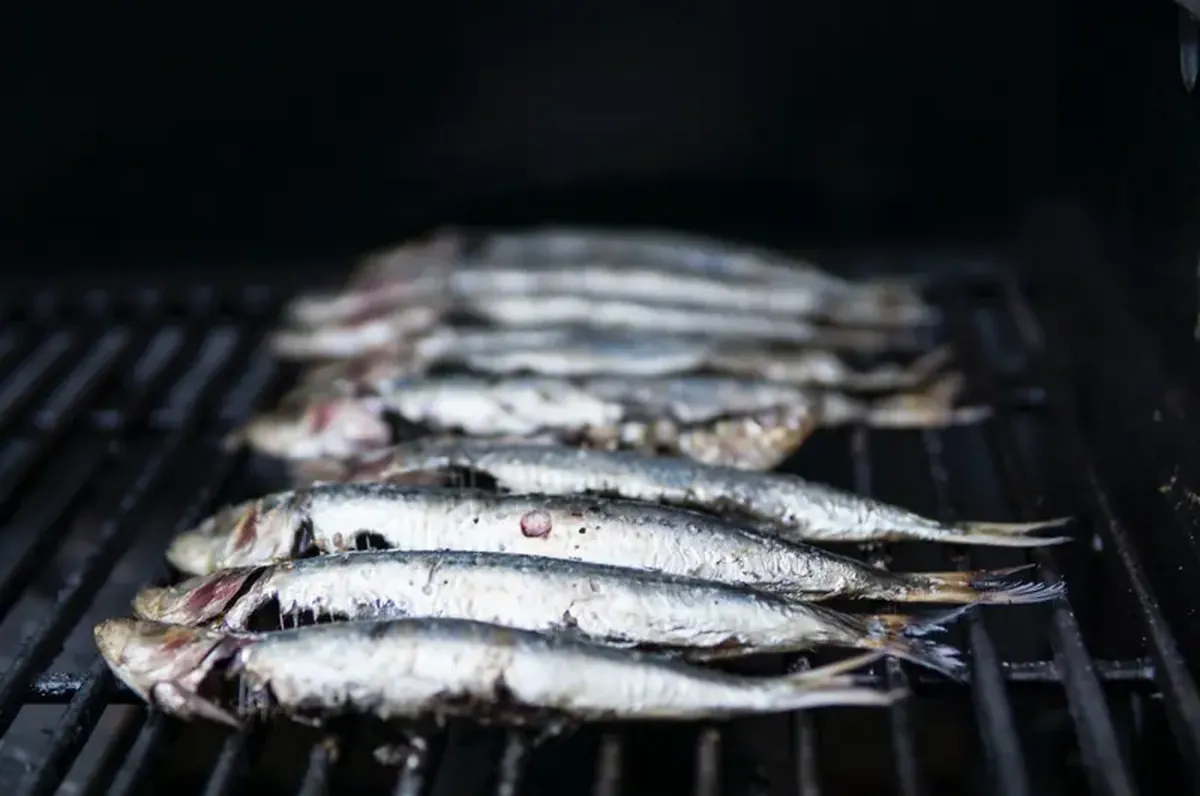
Fish
The link between omega-3 fatty acids and heart health is often cited as one reason for Japanese longevity. Fish is rich in omega-3s, vitamin D, iodine, selenium, and antioxidants. These micronutrients help preserve memory and protect against cardiovascular disease, certain cancers, and chronic inflammation.
Apples
During hormonal changes, estrogen levels drop. Phytoestrogens—found in apples, berries, soy, and flaxseeds—may help support those levels. These foods also have anti-tumor properties. Apples, plums, currants, and oranges contain pectin, which helps remove heavy metal compounds from the body.

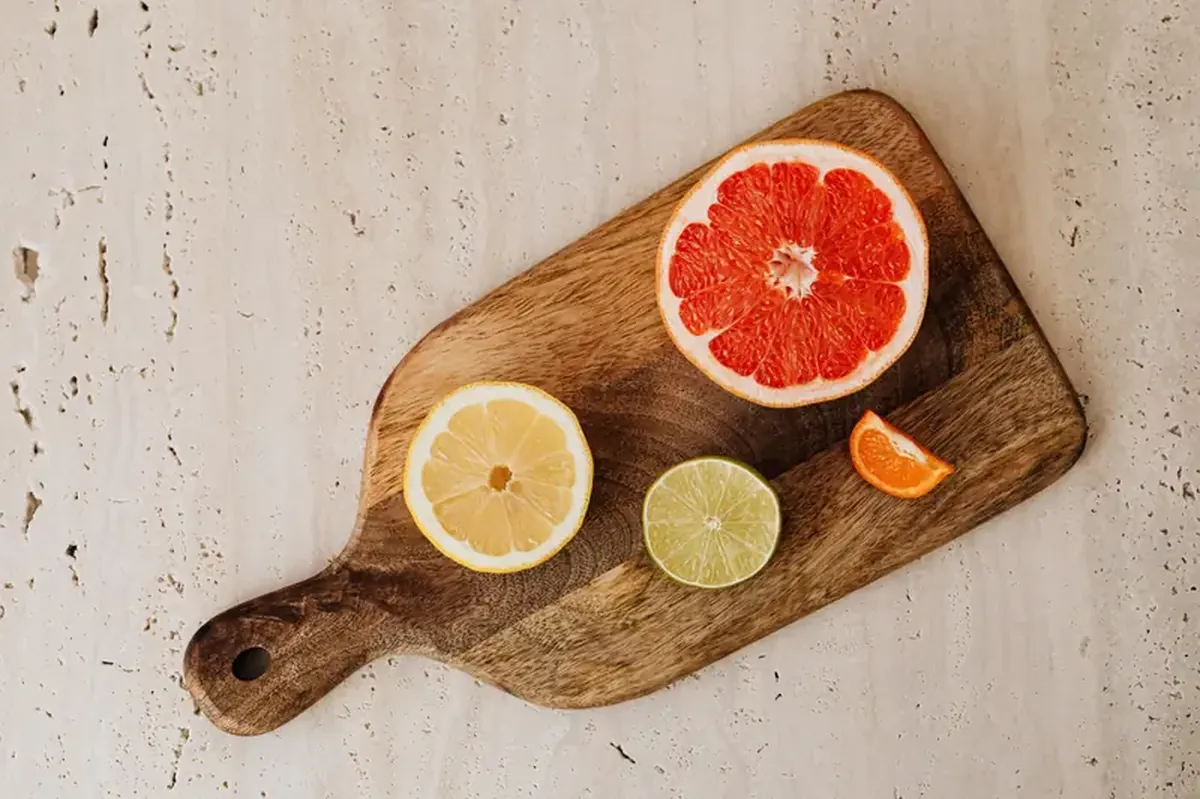
Citrus Fruits
A cup of tea with lemon gives a boost for vascular health: vitamin C promotes collagen production, which helps maintain vascular elasticity later in life. The high antioxidant content in citrus fruits and juices can help protect against strokes. Consuming about 45 mg of flavonoids daily (roughly the amount in a glass of citrus juice) can reduce the risk of ischemic stroke by about 20%.
Water
We need only a modest amount of salt each day, yet people typically consume about three times that. Chronic excess can damage blood vessels and interfere with the body’s ability to eliminate fluids. Increasing water intake or significantly boosting the amount of fresh vegetables in your diet can help counteract excess salt.
Tomatoes
Tomatoes and tomato juice help normalize metabolism, improve heart function, stimulate cerebral circulation, and lower blood cholesterol levels, making them particularly useful for older adults.

Beets
Beets have an antihypertensive effect because their nitrates convert to nitric oxide in the body. Nitric oxide lowers blood pressure and improves blood flow. Vegetables and whole-grain bread provide beneficial dietary fiber. Nutritionists suggest that fiber-rich foods should make up about half of a healthy diet.
Potatoes
Potatoes are high in selenium and fiber, and they contain about three times more vitamin C than avocados. They are also a solid source of carbohydrates, providing energy and vitality.

Kefir
As we age, digestion tends to slow, which can affect appetite and hemoglobin levels. The “drink of longevity” fights harmful bacteria and helps the body detoxify. Regular consumption of fermented dairy products may extend life by 10 to 15 years.
